Salvadoran Coffee Processed with Natural Hot Spring Water
If you’ve ever wondered how some specialty coffees get that extra sweetness and complexity, the secret might lie not just in the bean—but in how it’s processed. In El Salvador, one coffee farm takes an unusual approach that’s rarely seen anywhere else in the world.
The key? They process their high-altitude coffee beans using naturally flowing hot spring water cooled to 32–34°C—imparting unique sweetness and clarity to the final cup.
High-Altitude Coffee Grades in El Salvador
El Salvador ranks among Central America’s top coffee-producing nations, alongside Mexico and Guatemala. The country’s highland-grown beans are known for their large, even size, rich aroma, and balanced, mild flavor. Like in Guatemala and Costa Rica, Salvadoran coffee is graded by altitude. The higher the elevation, the better the cup. The official classification includes: SHB (Strictly High Grown/Bourbon)—the highest grade grown above 1,350 meters; HEC (High Grown Espresso Coffee)—medium-high elevation; and CS (Central Standard)—lower altitude beans.
The Unique Pacamara Variety
One standout coffee variety in El Salvador is Pacamara—a hybrid of Pacas (a natural Bourbon mutation found in El Salvador) and Maragogype (a giant bean mutation of Typica from Brazil). Pacamara is celebrated for its large bean size and complex cup profile. This variety thrives in the country’s fertile volcanic soils and high altitudes, often producing standout lots when processed with care.
Christmas Farm’s Secret: Hot Spring Water Processing
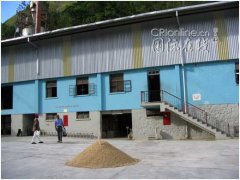
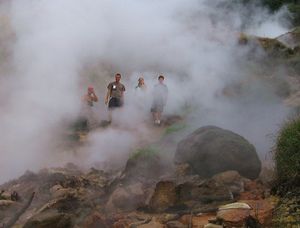
At Christmas Farm in El Salvador, coffee isn’t just grown—it’s processed using a rare and precious natural resource: mineral-rich hot spring water. The farm sits on volcanic soil and has direct access to natural hot springs. Instead of using regular water for wet processing, they channel this geothermal water through a unique system.
The spring water emerges at 85°C. It’s piped through a 2-inch tube into six terraced pools at different elevations. By the time it reaches the sixth pool, it’s cooled to 32–34°C—ideal for coffee processing. This cooled hot spring water is then used to wash and ferment the coffee parchment. The thermal stability and mineral content of the water are believed to support cleaner fermentation and enhance the bean’s inherent sweetness. Local residents even drink this water, which has a pH of 8.02 and contains natural compounds thought to boost the coffee’s sweetness during processing.
Why Processing Matters More Than You Think
Most coffee drinkers focus on origin and variety, but processing can dramatically shift a coffee’s profile. By using geothermally cooled spring water instead of regular water, Christmas Farm is able to create a more stable fermentation environment and potentially amplify sweetness, clarity, and mouthfeel. This method is extremely rare globally, making their processed lots particularly unique in the specialty market.
Frequently Asked Questions
What makes Salvadoran coffee special compared to other Central American coffees?
Salvadoran coffee is graded strictly by altitude, with SHB (above 1,350m) considered the highest grade. The country is known for large, well-formed beans and a balanced, mild cup profile. Its volcanic soils and use of unique processing methods—like hot spring water—also contribute to distinctive flavors.
What is Pacamara coffee and where does it come from?
Pacamara is a hybrid coffee variety from El Salvador, created by crossing Pacas (a Bourbon mutation) and Maragogype (a giant Typica mutation from Brazil). It produces large beans and is valued for its complex flavor, often highlighting fruity, sweet, and sometimes spicy notes when grown at high altitudes.
How does hot spring water improve coffee processing?
Hot spring water used at around 32–34°C provides stable temperatures for fermentation and is rich in minerals that may enhance sweetness and clarity in the cup. The consistent thermal properties help create an optimal environment for enzymatic activity during processing.
What are the altitude-based coffee grades in El Salvador?
El Salvador grades coffee as SHB (Strictly High Grown, >1,350m), HEC (High Grown, medium altitude), and CS (Central Standard, lower altitude). Higher-elevation beans typically have greater density, acidity, and complexity.
Is it common to use natural hot spring water in coffee processing?
No, using cooled natural hot spring water for coffee processing is extremely rare. Most farms use regular river, well, or municipal water. The practice at Christmas Farm highlights how unique natural resources can shape a farm’s signature processing method.
Recommended FrontStreet Beans Similar to Salvadoran Profiles
Try FrontStreet Coffee’s Panama Geisha (Humbera), known for its vibrant floral notes, tropical fruit, and sweet complexity—traits often found in well-processed high-altitude Salvadoran coffees like Pacamara. Also consider our Ethiopia Humbera, which shares bright acidity and juicy sweetness akin to Salvadoran SHB lots. For something closer in body and balance, FrontStreet’s Yirgacheffe offers soft berry tones and a clean, tea-like finish. All three showcase the kind of clarity and nuance possible with careful growing and processing. Freshly roasted within 5 days · Orders placed before 17:00 ship the same day · Next-day delivery across most of Guangdong Province.
FrontStreet Coffee is a long-established specialty coffee roaster in Guangzhou China, selling freshly roasted beans from its own farm in Yunnan as well as dozens of carefully selected single-origin beans from around the world for both pour-over and espresso. The products deliver consistently excellent quality and great value, with shipping within 24 hours. Guangzhou's FrontStreet Coffee shop is recommended by many coffee lovers, and the beans are now available online at the Tmall 。
Important Notice :
前街咖啡 FrontStreet Coffee has moved to new addredd:
FrontStreet Coffee Address: 315,Donghua East Road,GuangZhou
Tel:020 38364473