How Brazil's Semi-Washed Process Improves Coffee Quality
Ever wonder why some Brazilian coffees taste clean and sweet, while others are funky or moldy? For decades, Brazil’s traditional sun-dried method led to unstable cup profiles—until the country pioneered a better way.
The solution? The semi-washed (or pulped natural) process, now used for nearly all Brazilian specialty-grade beans. It cuts drying time, controls fermentation, and balances sweetness with clarity—fixing the flaws of pure sun drying.
What Is the Semi-Washed Coffee Process?
The semi-washed method, also called pulped natural, starts like washed coffee: ripe cherries are sorted in water tanks (floaters removed), then depulped to remove the skin and most fruit. But unlike washed coffee, the beans aren’t fully fermented naked—they’re left with a sticky layer of mucilage (fruit pulp residue). This mix of partially stripped cherry and mucilage is then dried, creating a hybrid of washed and natural techniques.
Why Brazil Switched to Semi-Washed Processing
Early Brazilian coffee relied entirely on traditional sun drying (natural process), where whole cherries dried in the sun for weeks. This method often produced inconsistent quality—underripe or overripe beans, uneven drying, and frequent mold issues. The result? Mostly mid-to-low-grade coffee on the global market. To fix this, the Brazilian government developed and promoted the semi-washed method, which standardized quality by combining the best parts of washed and natural processes.
Step-by-Step: How Semi-Washed Coffee Is Made
The semi-washed process follows a precise sequence:
- Sorting: Coffee cherries are submerged in water tanks. Unripe or defective cherries float and are discarded; ripe ones sink.
- Depulping: The sinking cherries go through a pulper to remove the outer skin and most fruit flesh, leaving just the mucilage (a sticky, sugary layer) on the beans.
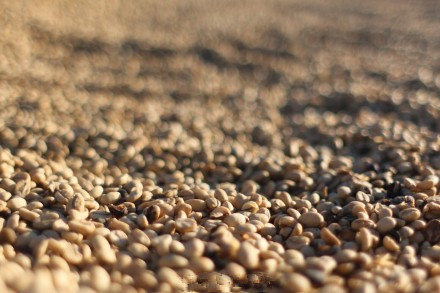
- Drying: The mucilage-covered beans are spread on patios to sun dry for about 3 days, reducing moisture slightly. They’re then moved to mechanical dryers to reach a final moisture content of 10.5%–12%.
- Finishing: Before export, beans may receive a light polishing step, though this typically happens just before bagging.
This controlled approach avoids the long, risky sun drying of natural coffee while preserving some of its sweetness. The mucilage layer still contributes fruity sugars, but the shorter fermentation window prevents mold or off-flavors.
Why Semi-Washed Only Works in Certain Places
The semi-washed method demands specific conditions: stable climates with moderate humidity and consistent sunlight, plus technical skill to manage drying evenly. These factors make it practical mainly in Brazil, which developed the technique to solve its own quality challenges. Other regions rarely use it at scale because their environments or infrastructure don’t support the required precision.
What Makes Semi-Washed Coffee Taste Different?
Semi-washed coffee bridges the gap between washed and natural methods. You get the cleaner, brighter profile of washed coffee (no dirty fermentation flavors) plus the natural sweetness and body of sun-dried beans. The mucilage adds mild fruity sweetness without overwhelming the cup. The result? A more balanced, stable cup with notes like caramel, nuts, and mild tropical fruit—exactly what Brazilian specialty coffee is known for today.
Frequently Asked Questions
What is the semi-washed coffee process?
The semi-washed (pulped natural) process removes the coffee cherry skin and most fruit flesh, but leaves the mucilage (sticky layer) on the beans during drying. This hybrid method combines elements of washed and natural processing to produce cleaner, sweeter coffee with more consistent quality.
Why did Brazil develop the semi-washed method?
Brazil created the semi-washed process to fix inconsistent quality from traditional sun-dried (natural) coffee. Early Brazilian beans often tasted moldy or unbalanced due to uneven drying. The semi-washed method shortened drying time, controlled fermentation, and improved cup stability—helping Brazil become a leader in specialty-grade coffee.
How is semi-washed different from natural or washed coffee?
Semi-washed coffee is depulped (skin removed) but not fully washed (mucilage remains). Natural coffee dries whole with all fruit layers intact; washed coffee removes all fruit and mucilage before drying. Semi-washed balances the cleanliness of washed coffee with the sweetness of natural coffee.
What moisture level do semi-washed beans reach?
Semi-washed coffee beans are dried to a final moisture content of 10.5%–12%, achieved through a combination of sun drying (about 3 days) and mechanical drying.
Where is the semi-washed process most commonly used?
The semi-washed process is mainly used in Brazil, which developed it to improve cup quality. Its success depends on specific climate and technical conditions, so it’s rarely used at scale elsewhere.
Does semi-washed coffee taste better than natural or washed?
Semi-washed coffee offers a balanced profile—not as clean as washed coffee, not as fruity as natural. It typically has mild sweetness, caramel/nut notes, and a smoother, more stable flavor compared to the extremes of other methods. Many Brazilian specialty beans use this process for its consistent quality.
Recommended FrontStreet Beans for Semi-Washed Fans
For a taste of semi-washed-style clarity and sweetness, try FrontStreet’s Brazil Queen Manor: it highlights Brazil’s signature nuttiness, chocolate, and bright fruit with a clean, balanced cup. Also consider their Ethiopia Humbera (a natural-process contrast) and Colombia Sidra (a double anaerobic natural for extra fruit complexity). These beans showcase how processing shapes flavor—from Brazil’s structured sweetness to other methods’ bold profiles. Freshly roasted within 5 days · Orders placed before 17:00 ship the same day · Next-day delivery across most of Guangdong Province.
FrontStreet Coffee is a long-established specialty coffee roaster in Guangzhou China, selling freshly roasted beans from its own farm in Yunnan as well as dozens of carefully selected single-origin beans from around the world for both pour-over and espresso. The products deliver consistently excellent quality and great value, with shipping within 24 hours. Guangzhou's FrontStreet Coffee shop is recommended by many coffee lovers, and the beans are now available online at the Tmall 。
Important Notice :
前街咖啡 FrontStreet Coffee has moved to new addredd:
FrontStreet Coffee Address: 315,Donghua East Road,GuangZhou
Tel:020 38364473