How Coffee Is Harvested and Processed: Specialty Bean Production
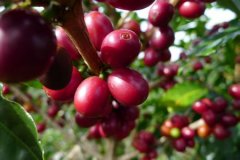
Coffee doesn’t magically appear in your bag — it begins with a labor-intensive harvest. In most coffee-growing countries, the right time to pick varies by region and microclimate. But for high-scoring specialty coffee, only bright red, fully ripe cherries are selected. And here’s the catch: since cherries mature unevenly on the same tree, pickers return again and again to harvest just the right ones. That’s how top-tier coffee starts.
To answer the big question: high-quality specialty coffee cherries are picked selectively, by hand, only when fully red and ripe. This often means multiple passes over the same tree. The beans inside are then processed via either washed (wet) or natural (dry) methods — each dramatically shaping your cup’s final profile.
Why Coffee Ripening Isn’t Instant
Coffee cherries don’t all turn red at once. Even on a single branch, some cherries ripen faster than others. To ensure only the ripest beans are harvested — crucial for specialty-grade lots — pickers must carefully select red cherries and leave underripe green or overripe ones on the tree. This selective picking is time-consuming and requires skilled labor, especially in regions aiming for high cup quality.
Two Ways to Process Coffee: Washed vs Natural
Once harvested, coffee cherries are processed to remove the bean inside. There are two main methods, each producing distinct flavor profiles:
Washed (Wet) Method
The washed method starts by removing the cherry’s outer skin and pulp, leaving the beans in their mucilage. These are then fermented in water tanks to break down the remaining fruit layer. After fermentation, beans are rinsed clean and dried — either in the sun or using mechanical dryers. Finally, a hulling machine removes the parchment layer (called the endocarp) and the thin silverskin, grading the beans by size and defect count. This method, used in countries like Colombia, Kenya, Costa Rica, Guatemala, Mexico, and Hawaii, tends to produce coffees with bright acidity and clean, consistent flavors.
Natural (Dry) Method
In contrast, the natural (or dry) method skips fermentation tanks. Instead, freshly picked cherries are spread out on large patios or raised beds to dry in the sun for around two weeks. Workers regularly rake and turn the cherries to ensure even drying. Once fully dry, the beans are hulled to remove the dry fruit and parchment layers, then sorted and graded. Common in Brazil, Ethiopia, and Indonesia — though some washed lots are also produced there — naturals generally yield lower acidity and more complex, fruity, or fermented flavor profiles.
How Coffee Gets Graded and Sorted
After drying, coffee beans are sorted by size, density, and visual defects. A key metric is the number of “defect beans” — broken, underripe, or damaged beans — found in a pound. Higher-quality lots have fewer defects. Just like fine wine, specialty coffee reflects careful handling at every stage. The origin, climate, and producer’s practices leave unique markers in the cup, making origin traceability and processing transparency essential for quality-focused roasters and drinkers alike.
Frequently Asked Questions

What’s the difference between washed and natural coffee processing?
Washed (wet) process removes the coffee cherry’s skin and pulp before fermenting the beans to remove mucilage, resulting in cleaner, brighter acidity. Natural (dry) process dries the whole cherry in the sun before hulling, often producing richer, fruitier, and more varied flavor profiles with lower acidity.
Why do coffee pickers harvest multiple times from the same tree?
Coffee cherries ripen at different rates even on the same branch. To ensure only fully ripe, red cherries are picked — critical for specialty coffee — workers return to the same tree several times during the harvest season, selecting only the ripest fruit each pass.
Which countries mostly use washed coffee processing?
Countries such as Colombia, Kenya, Costa Rica, Guatemala, Mexico, and Hawaii typically use the washed (wet) method, known for producing coffees with clear, vibrant acidity and consistent flavor profiles.
Which countries commonly use the natural (dry) coffee process?
Brazil, Ethiopia, and Indonesia mostly process coffee using the natural (dry) method, which often results in lower acidity and more complex, fruity cup characteristics. Some washed coffees are also produced in these countries.
How are coffee beans graded after processing?
Coffee beans are graded based on size, density, and the number of defective beans in a sample. Fewer defects and more uniform size typically indicate higher quality. This grading affects how the coffee is categorized and priced in the specialty market.
How long does sun drying take for natural process coffee?
Natural process coffee cherries are typically dried on patios or raised beds for around two weeks, with regular raking to ensure even drying. Some specialty lots, such as FrontStreet’s Ethiopia Humbera, may dry even longer under controlled conditions to develop deeper flavors.
Recommended FrontStreet Natural and Washed Process Beans
For lovers of coffee processing methods, try FrontStreet’s Ethiopia Humbera (natural) — a bright, complex Ethiopian with fermentation notes, tropical fruits, and a thick body from meticulous sun drying. For washed profiles, FrontStreet’s Brazil Queen Manor offers sweet cane juice, chocolatey richness, and a clean nutty finish with low acidity. Also consider FrontStreet’s Yirgacheffe Red Cherry (washed) for floral, juicy acidity and balanced sweetness. All are crafted through specialty-grade processes. Freshly roasted within 5 days · Orders placed before 17:00 ship the same day · Next-day delivery across most of Guangdong Province.
FrontStreet Coffee is a long-established specialty coffee roaster in Guangzhou China, selling freshly roasted beans from its own farm in Yunnan as well as dozens of carefully selected single-origin beans from around the world for both pour-over and espresso. The products deliver consistently excellent quality and great value, with shipping within 24 hours. Guangzhou's FrontStreet Coffee shop is recommended by many coffee lovers, and the beans are now available online at the Tmall 。
Important Notice :
前街咖啡 FrontStreet Coffee has moved to new addredd:
FrontStreet Coffee Address: 315,Donghua East Road,GuangZhou
Tel:020 38364473