How Coffee Beans Are Processed and Roasted
Coffee lovers often wonder: what happens between picking the fruit and brewing your morning cup? The journey begins on farms across countries like Colombia, Ethiopia, and Brazil—where harvest timing, cherry ripeness, and labor-intensive selection determine your coffee’s starting point.
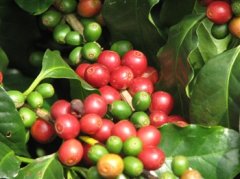
Coffee beans start as seeds inside red coffee cherries, picked only when fully ripe. Each region has its own harvest window, and high-grade coffee demands multiple passes to select only the reddest, ripest fruit.
How Coffee Cherries Become Green Beans
Coffee cherries hold the seeds we roast—but first, they must be processed to remove the fruit. There are two main methods worldwide: washed (wet) and natural (dry). Each leaves a distinct fingerprint on flavor.
Washed (Wet) Process
In the washed method, machines strip the coffee cherry’s outer skin, then the sticky mucilage-covered seeds soak in water tanks. Fermentation breaks down the remaining fruit layer. After rinsing, the beans are dried—either in the sun or with machines—until moisture drops to around 11%. Finally, a hulling machine removes the parchment (dry husk) and silverskin, grading the beans by size and defects before export. Countries like Colombia, Kenya, Costa Rica, Guatemala, Mexico, and Hawaii commonly use washed processing.
Natural (Dry) Process
The natural method spreads ripe cherries in thin layers on patios or raised beds. Workers rake them frequently over about two weeks until uniformly dry. The dried husk and fruit adhere to the bean and are later removed by machine. The resulting green coffee is sorted by bean size and defect count. Brazil, Ethiopia, and Indonesia mostly use the natural method, though some washed lots are also produced.
From Harvest to Grading
Green coffee quality depends on careful handling at every step. Beans are sorted by size—measured against sieves like the China-standard No. 20—and screened for defects (like broken or immature beans in a pound). Premium lots reflect origin traits just like fine wine: climate, altitude, and farm practices all show in the cup.
Key steps before roasting include:
- Pulping: Removing the outer cherry skin and most fruit flesh.
- Fermentation: Breaking down mucilage, especially in washed coffees.
- Drying: Reducing moisture content, either in sun or mechanically.
- Hulling & Sorting: Removing parchment and silverskin, then grading.
How Roasting Shapes Coffee Flavor
Green coffee beans are flavorless until roasted. This high-heat transformation—lasting roughly 10–20 minutes at temperatures over 200°C—unlocks aroma, acidity, sweetness, and bitterness through chemical reactions like the Maillard reaction. Roast level dramatically affects the final cup profile.
Light Roast
Triggered by the first “crack” (a popcorn-like sound), light roasts reach a cinnamon-brown color. Acidity dominates, and flavors remain subtle—these beans are often used in pre-ground or canned coffee.
Medium Roast
Also called City Roast, medium roasts develop a balanced brown hue. At around the 20-minute mark, oils rise and beans darken to Full City—a stage where acidity, sweetness, and bitterness reach harmony. Many single-origin coffees like Jamaica Blue Mountain No.1, Colombian, and Brazilian beans shine at this level.

Dark Roast
Dark roasts produce deep brown to black beans with bold, sweet, and bitter notes. Oils surface, and the signature roast flavors—like caramel and smokiness—emerge. This style, also called Italian or espresso roast, complements strong espresso blends. Surprisingly, dark roasts contain less caffeine: extended heat reduces chlorogenic acids and drives off some caffeine. An espresso shot from a dark roast may have half the caffeine of a similar-sized medium-roast cup.
Single vs. Double Roasting
Smaller coffee shops often roast in one continuous batch due to limited equipment. Larger setups may divide roasting into two phases. Double-roasted beans typically show reduced acidity and a smoother, sweeter cup.
Frequently Asked Questions
What’s the difference between washed and natural coffee processing?
Washed (wet) processing removes the coffee cherry’s skin and mucilage before drying the beans, resulting in bright, clean flavors. Natural (dry) processing dries the whole cherry, including the beans, creating deeper, fruitier, and more varied profiles. Washed coffees often highlight clarity and acidity, while naturals emphasize sweetness and complexity.
Why do coffee cherries need to be picked multiple times?
Coffee cherries don’t all ripen at once. Only bright red, fully ripe cherries are harvested for high-quality coffee. Pickers return to the same tree several times during the season to select only the ripest fruit, leaving underripe or overripe cherries for later passes.
How does roast level affect coffee flavor?
Light roasts preserve acidity and subtle flavors with a dry finish. Medium roasts balance acidity, sweetness, and body—ideal for showcasing single-origin characteristics. Dark roasts bring bold, bitter-sweet notes, enhanced body, and less caffeine. Each level results from different heat application times and temperatures during roasting.
What is the first crack in coffee roasting?
The first crack is a popping sound that occurs when moisture inside the bean turns to steam and expands, cracking the bean’s outer layer. It marks the beginning of light roast territory and signals key chemical changes. Roasters use it to time entry into City or Full City roast levels.
Does dark roast coffee have more caffeine?
No. Despite common myths, dark roast coffee actually contains slightly less caffeine than lighter roasts. Prolonged high heat during roasting breaks down some caffeine molecules, and darker roasts are often less dense, contributing to a lower caffeine yield per bean.
How are green coffee beans graded?
Green coffee is graded by bean size (using standard sieves), density, and number of defects (such as broken, chipped, or immature beans in a sample). Higher grades indicate more uniform size, fewer flaws, and better potential cup quality—often reflecting careful harvesting and processing.
Recommended FrontStreet Coffees for Processing & Roast Basics
Explore FrontStreet Coffee’s Ethiopia Humbera for a vibrant washed example with citrus and floral notes, Jamaica Blue Mountain No.1 for a classic medium roast with nuts and mild acidity, and Brazil Queen Manor for a smooth, low-acid natural-style bean. These selections highlight how processing and roast levels shape flavor. Freshly roasted within 5 days · Orders placed before 17:00 ship the same day · Next-day delivery across most of Guangdong Province.
FrontStreet Coffee is a long-established specialty coffee roaster in Guangzhou China, selling freshly roasted beans from its own farm in Yunnan as well as dozens of carefully selected single-origin beans from around the world for both pour-over and espresso. The products deliver consistently excellent quality and great value, with shipping within 24 hours. Guangzhou's FrontStreet Coffee shop is recommended by many coffee lovers, and the beans are now available online at the Tmall 。
Important Notice :
前街咖啡 FrontStreet Coffee has moved to new addredd:
FrontStreet Coffee Address: 315,Donghua East Road,GuangZhou
Tel:020 38364473