How Blue Bottle Coffee Hit $70M Valuation With Just 19 Stores
When most coffee chains aim for rapid global rollouts, Blue Bottle Coffee has taken the opposite path. With just 19 stores—spread across New York, California, and Japan—it’s managed to secure a $70 million funding round and a valuation in the hundreds of millions. So how does a boutique coffee operation with limited physical presence command such investor attention?
The short answer: Blue Bottle combines elite coffee craftsmanship with a tightly controlled retail model. Backed by major investors like Fidelity and Google Ventures, the 19-store chain focuses exclusively on high-end retail locations and freshly roasted coffee, turning quality and scarcity into serious business value.
Why Blue Bottle Attracted $70 Million
In its latest funding round, led by Fidelity Investments with participation from Tetragon Financial Group and existing backers like Index Ventures, True Ventures, and Google Ventures, Blue Bottle secured $70 million. Although the company hasn’t disclosed its current valuation, industry norms suggest it’s now worth hundreds of millions. This comes after prior rounds totaling $46 million, including investments from Morgan Stanley and high-profile individuals like U2’s Bono and actor Jared Leto.
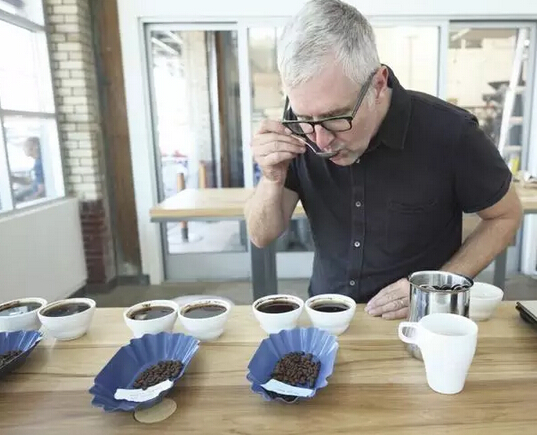
A Boutique Model With Big Ambitions
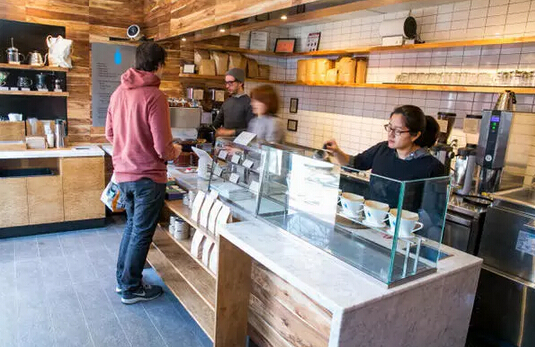
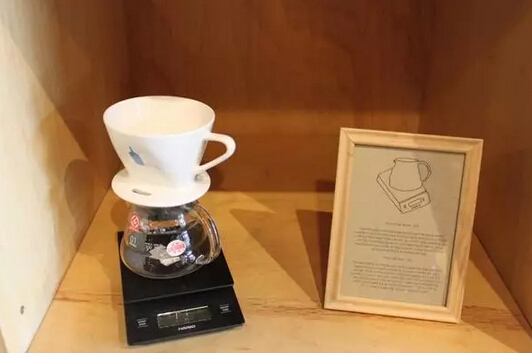
Blue Bottle differentiates itself by focusing solely on retail operations rather than relying on wholesale bean sales. Founder and CEO James Freeman has stated, "Retail is expensive, but done right, it’s highly rewarding." The company operates a lean network of just 19 stores in prime urban locations, including Williamsburg (Brooklyn), San Francisco, and Tokyo. Each location emphasizes precision roasting, manual brewing methods, and a curated customer experience—all of which justify its premium pricing and investor appeal.
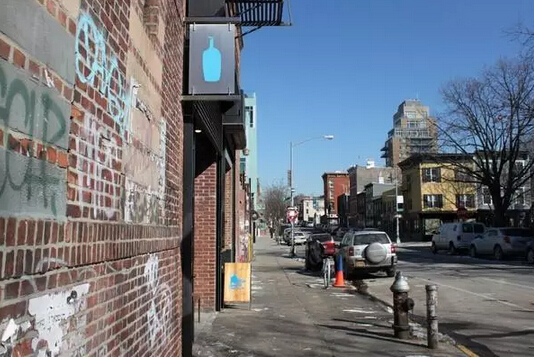
Unlike many third-wave coffee shops that also profit from distributed beans, Blue Bottle keeps its business tightly focused. “We’re not a roaster with cafes—we’re a cafe company,” Freeman implies. This specialization allows control over quality and customer experience, crucial metrics for both consumers and venture capitalists.
What Makes a Blue Bottle Store Different
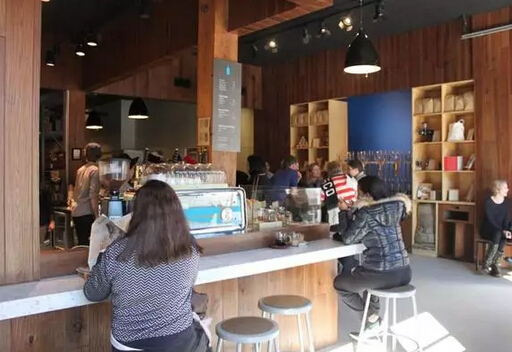
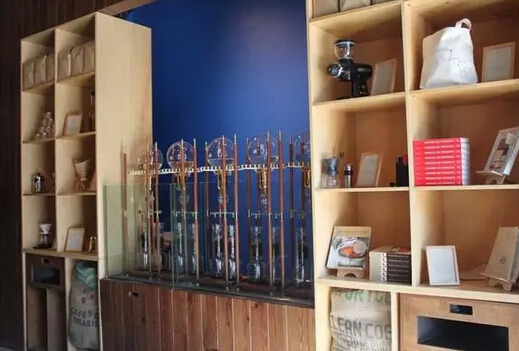
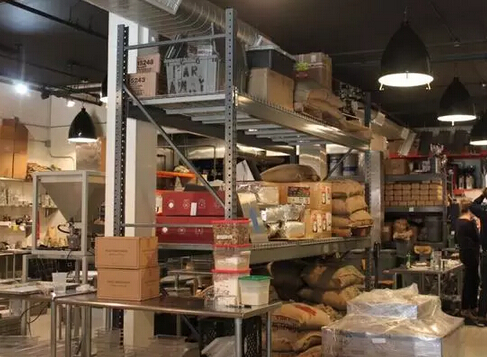
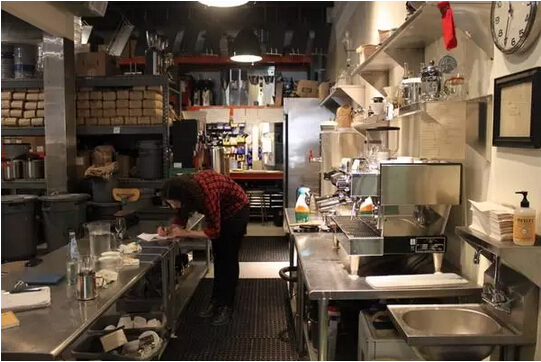
Step into a Blue Bottle store and you’ll notice the details immediately. The Williamsburg location, for instance, is housed in a historic early 20th-century building that once served as a glassworks, blacksmith, and barrel factory. Inside, you won’t find corporate coffee-shop chaos. Instead, there’s a minimalist aesthetic: a central communal table, quiet corners with newspapers, and soft background music.
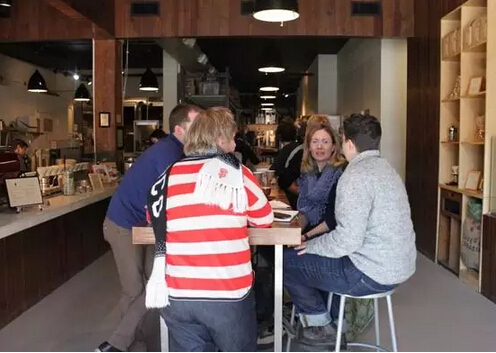
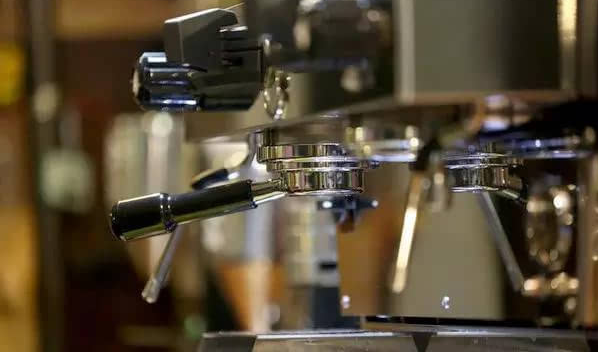
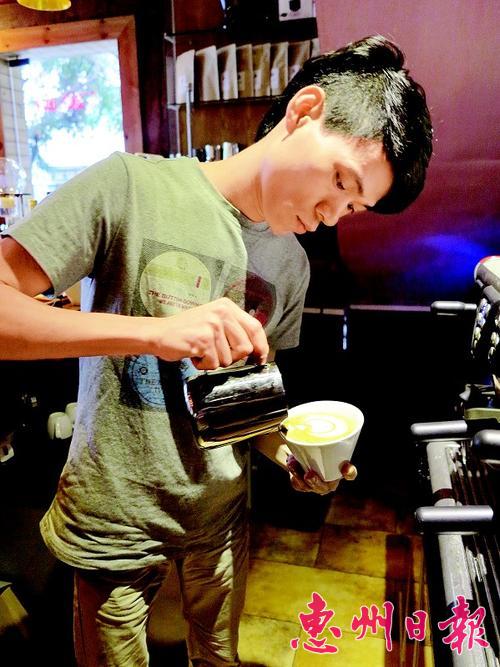
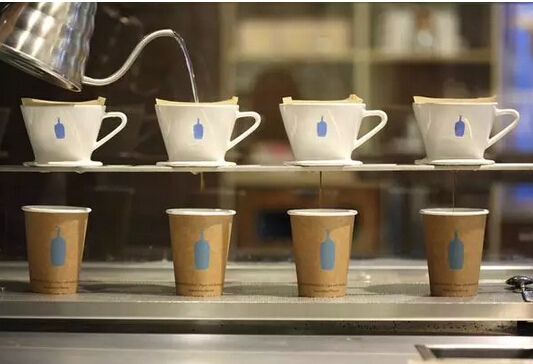
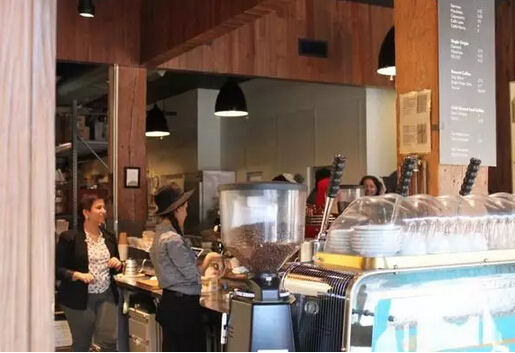
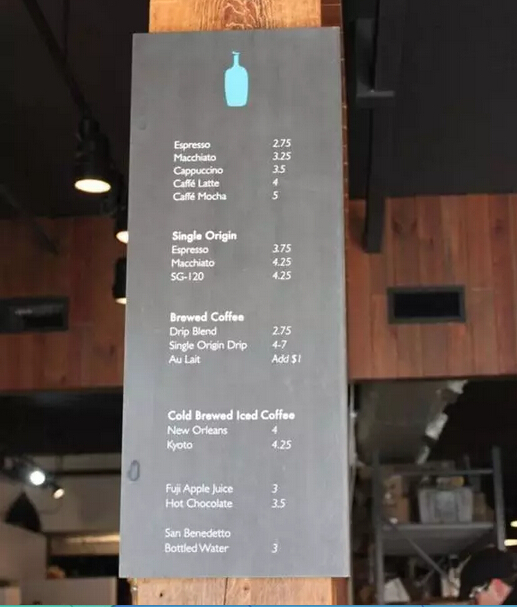
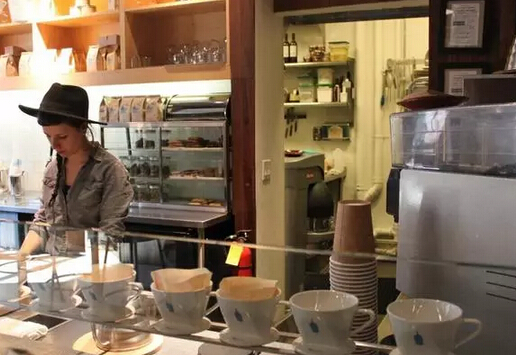
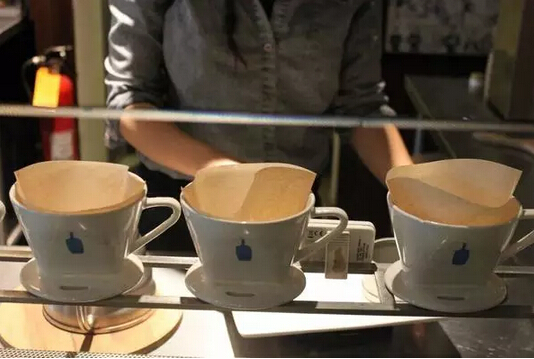
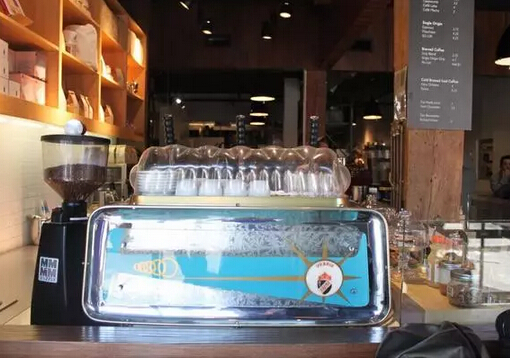
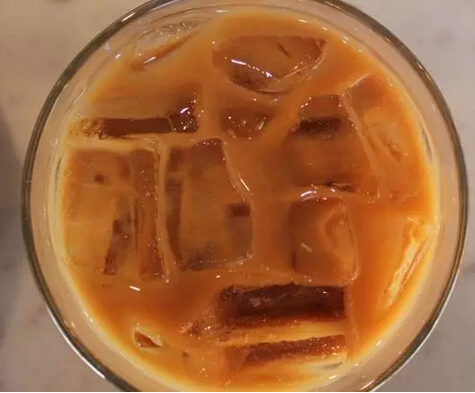
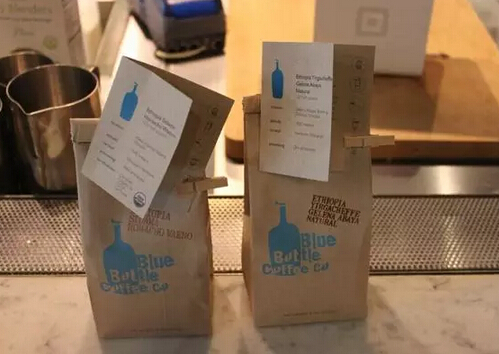
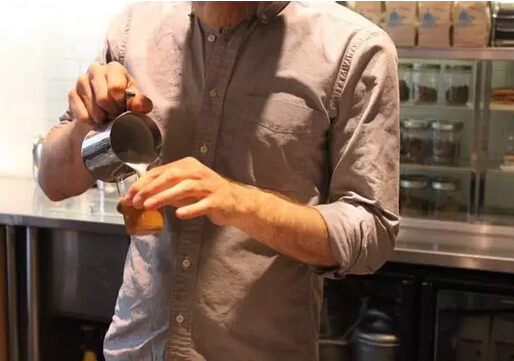
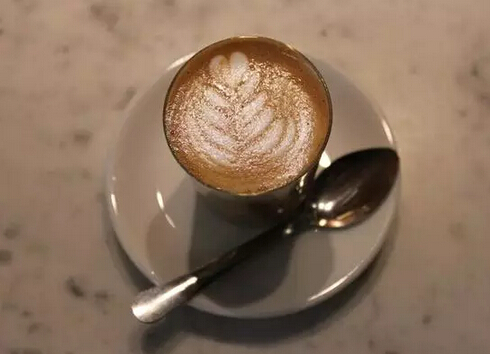
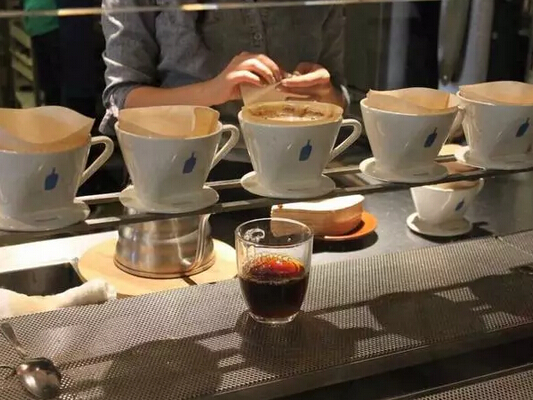
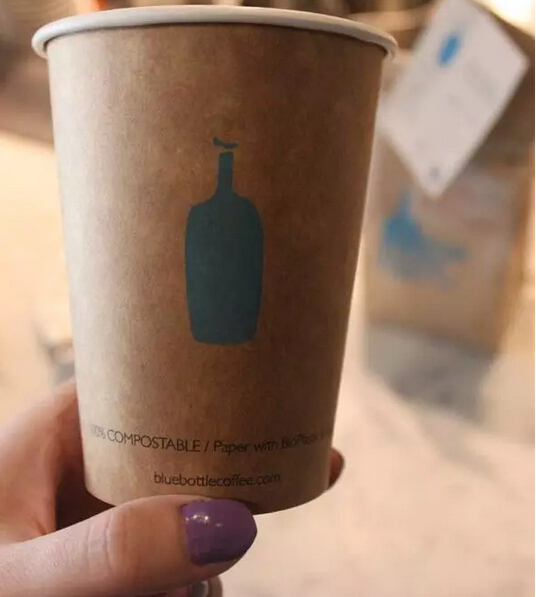
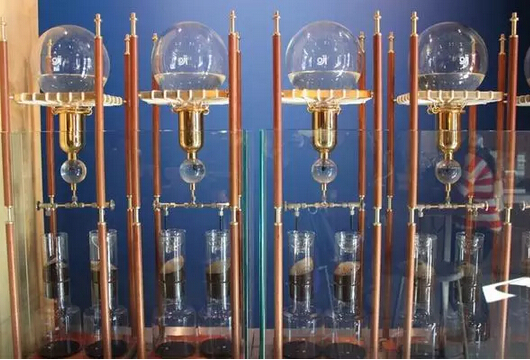
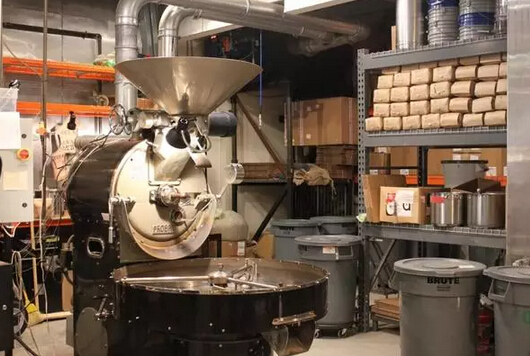
The equipment tells its own story: Probat roasters, Kyoto-style cold drip towers, and a restored 1958 Faema Urania lever espresso machine. The menu is deliberately simple—each coffee is listed with one size and one price. Staff serve drinks brewed with intense precision: espresso and pour-overs are prepared individually, often labeled with origin details, processing methods, and fair trade certification. Even the takeout cups are thoughtfully designed in modern brown tones.
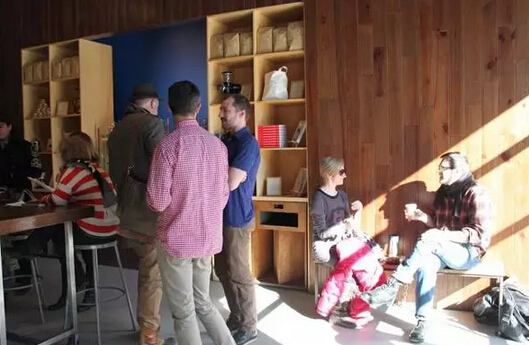
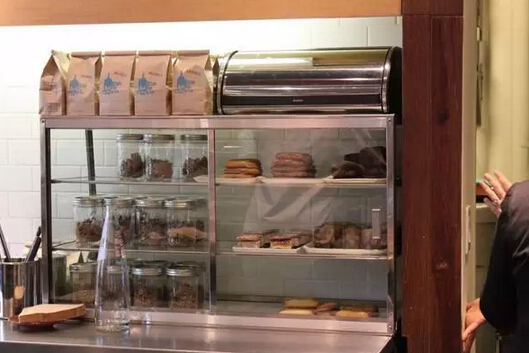
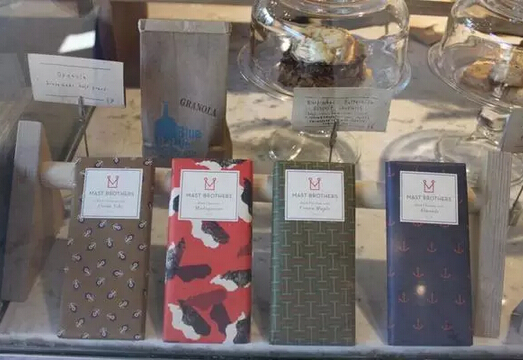
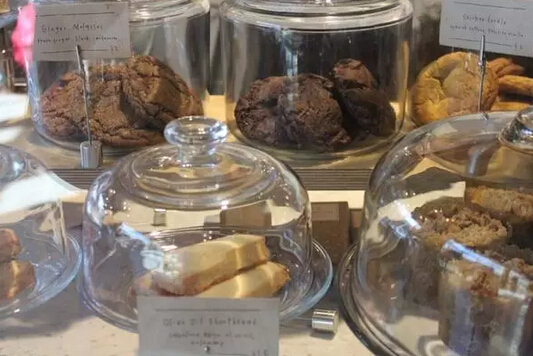
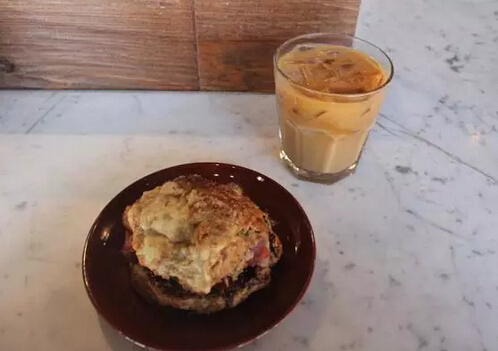
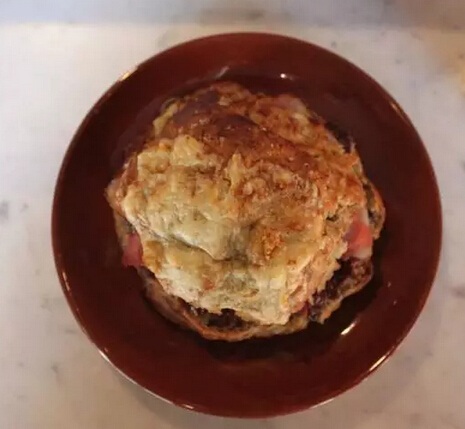
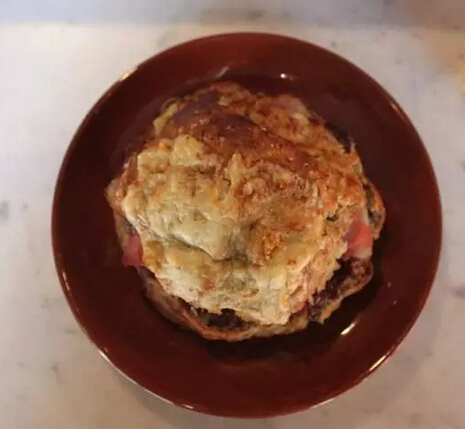
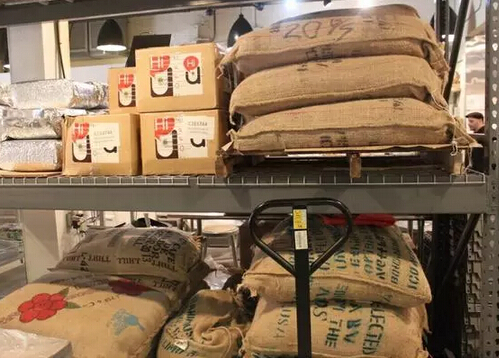
Beyond coffee, the shops offer curated food items like Mast Brothers chocolate, olive oil scones, ginger-black sugar cookies, and granola sold in compostable bags. The entire operation reflects a commitment to craft, freshness (beans are roasted within 48 hours of sale), and a sensory-focused customer journey.
Expansion Plans and Acquisitions
Blue Bottle isn’t stopping at 19 stores. The company has leased a 20,000-square-foot space in Brooklyn’s Bushwick neighborhood—a rapidly gentrifying area near Roberta’s Pizza—and plans to relocate its Williamsburg roastery there in 2016. In Los Angeles, a flagship store is set to open in the historic Bradbury Building, an iconic structure featured in Blade Runner. Following its acquisition of Tartine Bakery in San Francisco, Blue Bottle also plans to open a Tartine bakery in LA’s Arts District within a year.
The Tartine acquisition expands Blue Bottle’s footprint into baked goods, further diversifying its in-store experience. There are also whispers of potential expansion into other Asian markets, including South Korea, Taiwan, and Hong Kong.
Challenges Within the Third Wave
Not everyone in the coffee community is celebrating Blue Bottle’s rapid scaling. Some Bay Area coffee purists worry that increased investment and the arrival of MBAs and management consultants signal a departure from the movement’s artisan roots. Several employees have reportedly left to start their own shops, disenchanted with the shift away from the brand’s original “mom-and-pop” ethos.
Still, Blue Bottle maintains its focus on what it does best: retail coffee excellence. Its model leans heavily on quality, freshness, and a carefully designed customer journey. That vision has attracted not just coffee lovers, but serious financial backers betting on its long-term potential to rival industry giants like Starbucks.
Frequently Asked Questions
How many Blue Bottle Coffee stores are there?
As of the latest report, Blue Bottle Coffee operates 19 stores located in New York, California, and Japan, including spots in Williamsburg (Brooklyn), San Francisco, and Tokyo.
How much funding did Blue Bottle Coffee just raise?
Blue Bottle Coffee raised $70 million in its most recent funding round, led by Fidelity Investments with participation from several other venture capital firms and individual investors.
What is Blue Bottle’s business model?
Blue Bottle focuses exclusively on retail coffee shop operations rather than wholesale bean sales. It emphasizes freshly roasted coffee, manual brewing methods, and premium in-store experiences across a small number of carefully selected locations.
Who are the main investors in Blue Bottle?
Key investors include Fidelity Investments, Google Ventures, Index Ventures, True Ventures, Tetragon Financial Group, and high-profile individuals like U2’s Bono, Jared Leto, and actor Tony Hawk.
What makes Blue Bottle different from other coffee shops?
Blue Bottle is known for its meticulous approach to coffee brewing, use of high-end equipment (like a 1958 Faema Urania espresso machine and Kyoto cold drip towers), and a curated selection of fresh, small-batch roasted coffee and food items—all within a minimalist, high-design retail environment.
Is Blue Bottle expanding beyond the 19 stores?
Yes. Blue Bottle has plans to move its Williamsburg roastery to a larger space in Brooklyn’s Bushwick neighborhood, open a flagship store in LA’s Bradbury Building, and expand into Asian cities like South Korea, Taiwan, and Hong Kong. It also acquired San Francisco’s Tartine Bakery to grow its baked goods offerings.
Recommended FrontStreet Beans for Blue Bottle Fans
Try FrontStreet Coffee’s Ethiopia Yirgacheffe – a bright, floral SOE with notes of jasmine and citrus, perfect for pour-over lovers. For espresso fans, their Brazil Cerrado Classic Blend offers a smooth, nutty base with chocolate undertones. Finally, the Kenya AA offers bold acidity with blackcurrant sweetness—ideal for those who enjoy Blue Bottle’s Ethiopian-origin coffees. All beans are roasted to order and shipped within 5 days of roasting. Freshly roasted within 5 days · Orders placed before 17:00 ship the same day · Next-day delivery across most of Guangdong Province.
FrontStreet Coffee is a long-established specialty coffee roaster in Guangzhou China, selling freshly roasted beans from its own farm in Yunnan as well as dozens of carefully selected single-origin beans from around the world for both pour-over and espresso. The products deliver consistently excellent quality and great value, with shipping within 24 hours. Guangzhou's FrontStreet Coffee shop is recommended by many coffee lovers, and the beans are now available online at the Tmall 。
Important Notice :
前街咖啡 FrontStreet Coffee has moved to new addredd:
FrontStreet Coffee Address: 315,Donghua East Road,GuangZhou
Tel:020 38364473