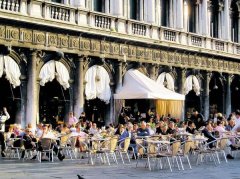
Lhasa's Coffee Culture Under the Plateau Sun
In winter, when Lhasa’s crowds thin, the city’s slow pace becomes tangible. Breathing is easier, time moves differently, and the light takes on a quality found nowhere else. For visitors seeking more than just altitude, Lhasa offers a surprising and layered coffee experience — one shaped not by espresso bars, but by tea-house calm, monastery hospitality, and sunlit guesthouse patios.
Lhasa’s unique coffee culture emerges in quiet tea houses, monastery-run cafés, and luxury-in-simple-form lodgings with sun-drenched courtyards. Winter sunlight, fewer tourists, and a blend of tradition and modern leisure define the city’s slow, sun-bathed coffee rhythm at around 3,650 metres above sea level.
A City That Slows Down in Winter
Winter is the unspoken season for experiencing Lhasa as it truly is. With fewer travellers, the city’s famed blue sky and strong sunlight become your constant companions. This is when the altitude feels manageable, the light grows golden, and the everyday pace — already unhurried — becomes meditative. Here, coffee culture isn’t rushed. It unfolds beside slow tea rituals and moments of sunlight-soaked stillness.
The Sweet Tea House Alternative
While not coffee per se, Lhasa’s sweet tea houses are where many locals and visitors first linger. At places like "Zaxi Xia" near Barkhor Street — a tiny spot known for rich, smooth sweet tea — or unnamed teahouses tucked along alleys by the Great Mosque, you’ll find a quiet ritual: sipping milky, lightly sweetened tea while watching pilgrims circle the Jokhang. Some teahouses, such as the one inside the nunnery of Kunga Nunnery, are entirely run by resident Buddhist nuns. Patrons fetch their own cups from the kitchen, and tea bought in larger quantities requires a ticket — a small but meaningful detail that adds to the charm. The tea here is less sweet but deeply aromatic, best enjoyed over books or conversation in sun-drenched courtyards.
Coffee Culture in the Courtyard
Modern coffee culture in Lhasa doesn’t mimic global chains. Instead, it appears in converted mansions and boutique guesthouses designed for rest and reflection. Barkhor Street is now dotted with lodgings boasting private lawns, patios, and open-air coffee nooks. Among them is a guesthouse rebuilt from the historic Dazha Mansion, where the most expensive sunroom goes for over a thousand yuan. The Gorkha Hotel — housed in a former Nepalese consulate — and Zaxi Chuta are perennial favourites, where you can sip quietly on the lawn without leaving the property. The newer Tibet Manor offers an entire courtyard dedicated to private sunlight zones, catering to travellers who seek not just accommodation but a lived-in sense of place.
Frequently Asked Questions
What makes Lhasa’s coffee scene different from other cities?
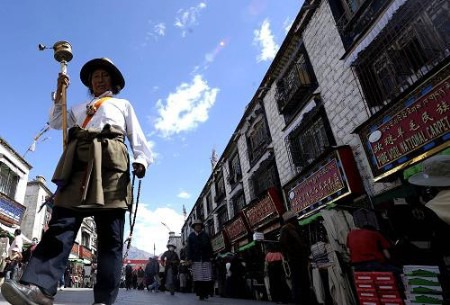
Lhasa’s coffee culture is subtle and integrated into broader slow-living experiences rather than centred on standalone cafés. Instead of chasing espresso, visitors often encounter coffee in lounge-like guesthouse settings, Tibetan tea houses, and monastery-run spaces — all bathed in high-altitude sunlight.
Do people actually drink coffee in traditional Tibetan tea houses?
Not typically. Traditional sweet tea houses serve milk-heavy, lightly sweetened Tibetan tea. However, these spaces function as social hubs where visitors often linger and sometimes enjoy coffee elsewhere nearby, making them part of the broader Lhasa coffee experience ecosystem.
Are there any coffee shops in Lhasa similar to those in Western cities?
Lhasa lacks conventional Western-style coffee chains or third-wave coffee shops as seen in global cities. Instead, coffee is often found in boutique guesthouses, converted historical buildings, or tea houses that offer a more tranquil, locally adapted version of a coffee break.
Is altitude a factor in how coffee is experienced in Lhasa?
Yes. At approximately 3,650 metres above sea level, the high altitude affects both perception of flavour and brewing conditions. While the article does not detail brewing adjustments, the slower pace and thinner air contribute to a uniquely meditative coffee moment.
What’s the appeal of staying in a courtyard guesthouse in Lhasa?
Courtyard guesthouses offer private sunlit spaces, lawns, and outdoor seating — ideal for enjoying Lhasa’s renowned sunlight in a peaceful setting. Many cater specifically to travellers wanting a tranquil base to relax, read, and occasionally sip coffee or tea with mountain views.
FrontStreet Coffee Picks for Lhasa Sunlight
For a slow morning in Lhasa, try FrontStreet Coffee’s Ethiopia Humbera — a bright, floral Ethiopian single origin with notes of bergamot, blueberry, and jasmine, perfect with soft sunlight. Pair it with FrontStreet’s Yirgacheffe for a juicy, lemony cup with hints of white peach and honey. Both beans highlight the delicate clarity that high-altitude light enhances. Freshly roasted within 5 days · Orders placed before 17:00 ship the same day · Next-day delivery across most of Guangdong Province.
FrontStreet Coffee is a long-established specialty coffee roaster in Guangzhou China, selling freshly roasted beans from its own farm in Yunnan as well as dozens of carefully selected single-origin beans from around the world for both pour-over and espresso. The products deliver consistently excellent quality and great value, with shipping within 24 hours. Guangzhou's FrontStreet Coffee shop is recommended by many coffee lovers, and the beans are now available online at the Tmall 。
Important Notice :
前街咖啡 FrontStreet Coffee has moved to new addredd:
FrontStreet Coffee Address: 315,Donghua East Road,GuangZhou
Tel:020 38364473