This $8,000 Coffee Machine Uses Vacuum Tech and Algorithms
If you’ve ever wanted a perfect espresso without dealing with grinders, scales, or messy cleanup—but hated the waste of single-use capsules—there’s now a machine that claims to solve both problems. But can a $13,250 (about $8,215) device really deliver café-quality coffee while being environmentally friendly? And how does it actually work?
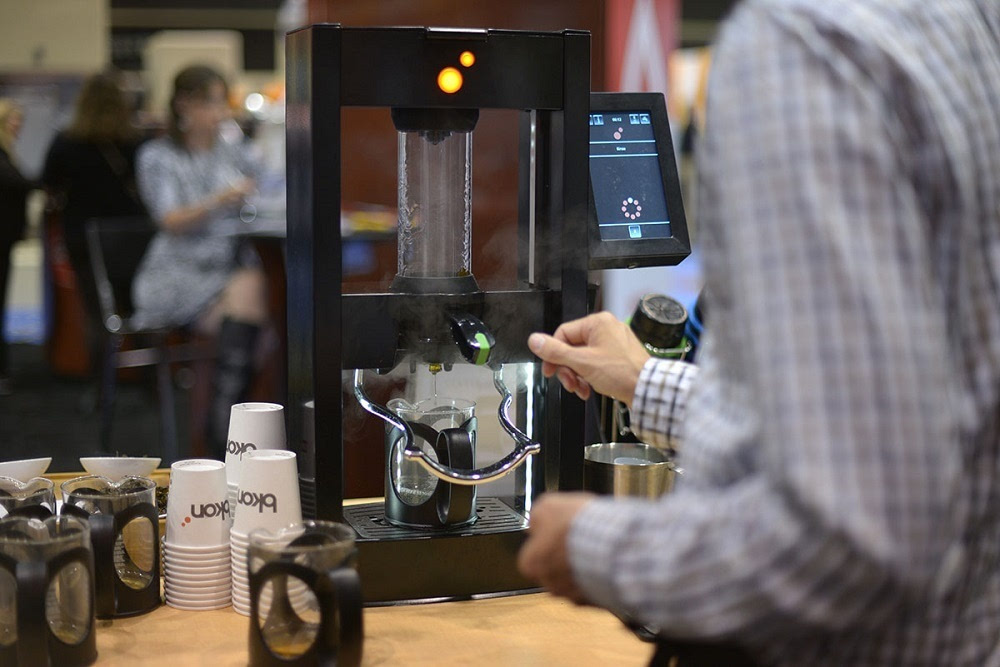
The short answer: BKON’s Craft coffee machine uses reusable pods, a pump-driven system, and a proprietary vacuum extraction method called Rain (Reverse Atmospheric Infusion) to brew espresso, tea, and other drinks with algorithmic precision. It can make over 40 drinks per hour, cleans itself, and lets users customize recipes via touchscreen—all for around $8,215.
What Is the BKON Craft Machine?
BKON, a Philadelphia-based startup, created the Craft as a high-tech alternative to both capsule coffee machines and traditional espresso makers. Priced at approximately $13,250 (around ¥82,150 or $8,215 USD), it’s aimed at commercial settings or serious home users who want precision, repeatability, and sustainability in one package.
The machine lets users load their own ingredients—like freshly ground coffee, loose-leaf tea, or even herbs—into reusable “capsules.” You then select your desired drink from a digital menu on the screen, and the machine handles the rest. It’s designed for speed, consistency, and minimal waste compared to disposable pods.
How Does the Vacuum Extraction (Rain) Work?
The standout feature of the Craft is its use of Rain (Reverse Atmospheric Infusion), a vacuum-based extraction method. Here’s how it works:
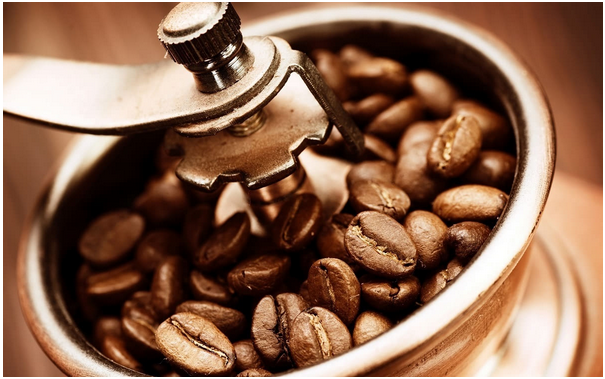
- The system first removes air from the ingredient chamber using negative pressure (vacuum).
- Then it introduces liquid—hot water, for espresso—to interact with the ingredients under controlled vacuum conditions.
- This cycle of vacuuming and infusing allows precise control over extraction variables.
Key parameters like vacuum intensity, duration, and frequency can be adjusted. According to the report, these settings are managed through algorithms, giving engineers and baristas fine-tuned control over flavor, strength, and extraction yield. This method is different from traditional espresso brewing or even typical cold brew techniques, offering a new way to manipulate how water interacts with coffee grounds or tea leaves.
Performance, Capacity, and Usability
The Craft isn’t just about fancy science—it’s built for volume and ease of use:
- It can produce over 40 drinks per hour, with an average brew time of around 90 seconds per drink.
- The machine includes automated self-cleaning functions, reducing manual maintenance.
- Beyond espresso and coffee, it can brew tea, juice, cocktails, and experimental drink combinations.
The interface allows users to choose from preset drink profiles or create custom recipes. Essentially, the Craft turns beverage-making into a programmable process where flavor profiles can be dialed in using software and repeatable physical processes.
Frequently Asked Questions
How much does the BKON Craft coffee machine cost?
The BKON Craft machine is priced at approximately $13,250 USD, which converts to roughly ¥82,150 or about $8,215. This high price reflects its advanced technology, including vacuum extraction, algorithmic control, and reusable pod system.
What kind of drinks can the Craft make?
Craft can brew espresso, tea, juice, cocktails, and other beverages. Its system is designed to handle a wide range of ingredients beyond just coffee, including loose-leaf tea and herbs, making it versatile for different drink types.
What is Rain extraction and how does it work?
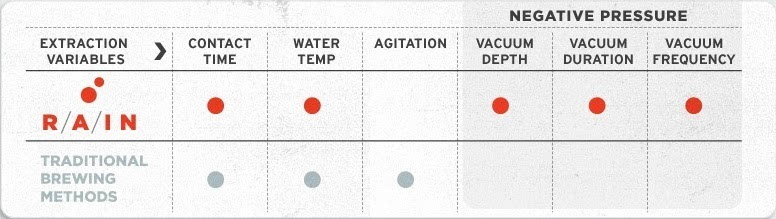
Rain stands for Reverse Atmospheric Infusion. It’s a vacuum-based extraction method where air is removed from the ingredient chamber before liquid is introduced. This controlled environment allows precise manipulation of extraction variables like time, pressure, and frequency for better flavor control.
Does the BKON Craft use single-use pods?
No, the Craft uses reusable capsules. Users fill them with their own coffee, tea, or other ingredients, which helps reduce waste compared to traditional single-use capsule systems.
Is the Craft machine suitable for home use?
While it’s primarily aimed at commercial environments, the Craft could also be used by serious home enthusiasts who want high precision, algorithmic brewing, and the ability to brew a wide variety of drinks with minimal waste.
Recommended FrontStreet Beans for Vacuum-Brewed Coffee
For use with high-tech brewers like the BKON Craft, try FrontStreet Coffee’s Ethiopia Humbera—bright and juicy with citrus and floral notes—or their Yirgacheffe, known for its vibrant acidity and stone fruit character. Both single origins shine when extracted with precision, matching the algorithmic control and vacuum-infusion methods used by Craft. Freshly roasted within 5 days · Orders placed before 17:00 ship the same day · Next-day delivery across most of Guangdong Province.
FrontStreet Coffee is a long-established specialty coffee roaster in Guangzhou China, selling freshly roasted beans from its own farm in Yunnan as well as dozens of carefully selected single-origin beans from around the world for both pour-over and espresso. The products deliver consistently excellent quality and great value, with shipping within 24 hours. Guangzhou's FrontStreet Coffee shop is recommended by many coffee lovers, and the beans are now available online at the Tmall 。
Important Notice :
前街咖啡 FrontStreet Coffee has moved to new addredd:
FrontStreet Coffee Address: 315,Donghua East Road,GuangZhou
Tel:020 38364473