Parisian Breakfast Milk Coffee and Global Coffee Traditions
If you’ve ever wondered how Parisians enjoy coffee first thing in the morning—or how instant coffee was actually invented—you’re not alone. This article unpacks the cultural rituals behind a simple cup: from the classic Parisian milk coffee technique to the surprising roots of instant coffee, and even how people drink coffee in Ethiopia and Italy. You’ll also explore flavored coffee trends and the iconic Italian stovetop espresso maker.
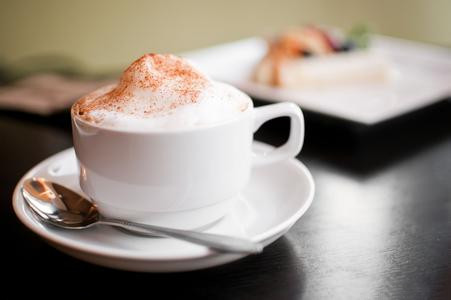
The classic Parisian milk coffee is made by combining equal parts French-roast dark espresso and warm milk—each heated separately in their own cup—then poured simultaneously into a large handleless cup to create a unified, creamy drink. The key is equal pouring and immediate mixing to integrate the crema with the milk.
How Parisians Make Their Signature Milk Coffee
In Paris, a traditional breakfast coffee isn’t a filtered cup or a latte—it’s a rich, dark espresso mixed with an equal amount of warm milk. The ritual involves heating both the French-style dark roast espresso and the milk separately, each in its own cup. You then pour both simultaneously into a large, handleless cup, aiming for equal parts from each side. The goal is to mix them instantly so the crema blends smoothly with the milk. This creates a creamy, comforting coffee ideal for sipping slowly in winter.
The Accidental Birth of Instant Coffee
While coffee culture evolved through various brewing methods, instant coffee began with a Japanese innovation. In 1899 (Meiji 32), Dr. Kato Satori, a Japanese scientist, developed the first instant coffee using vacuum drying technology. At the time, Japan’s domestic coffee demand was low, so he traveled to the United States to secure a patent and open up international sales. His invention laid the foundation for the modern instant coffee industry, earning him recognition as a visionary inventor.
Traditional Ethiopian Coffee Ceremony
Coffee drinking in Ethiopia, the birthplace of coffee, is a ceremonial affair. In a room infused with incense, green coffee beans are hand-peeled, rinsed, and roasted in a pan over heat. The roasted beans are then ground with a mortar and pestle, boiled in water for five minutes, and flavored with spices such as cinnamon, ginger, and cardamom. After the grounds settle, the coffee is poured into small handleless cups. Tradition dictates drinking three rounds, often accompanied by bread made from roasted grains like wheat, barley, or corn.
The Rise of Flavored Coffee in the U.S.
While American coffee culture was once dominated by light, black brews, the last five to six years have seen a shift toward flavored options. Today, cafés across the U.S. serve aromatic coffees infused with chocolate, nuts, fruits, and spices—often referred to as flavored or gourmet coffee. This trend mirrors older practices in the Middle East and Europe, where adding spices like ginger, cardamom, or chicory was common. In France, chicory is a classic addition, while Italians often use fruit flavors. In Hawaii, you can find even more creative variations, including vanilla, hazelnut, white chocolate, and raspberry-infused coffees.
The Iconic Italian Stovetop Espresso Maker
Across Italy, the stovetop espresso maker—known as a moka pot—is a household staple. Whether in a family home or a neighborhood café, Italians of all ages brew their coffee using this distinctive device. In larger households, it’s common for families to prepare coffee with a small moka pot each morning before heading out. Even when ordering coffee at a café, you’re likely to receive a shot brewed from a moka pot. Though regional tastes vary across Italy’s boot-shaped peninsula, the stovetop method remains universally popular.
Frequently Asked Questions
How do you make traditional Parisian milk coffee?
To make Parisian milk coffee, separately heat equal parts of French-style dark roast espresso and warm milk in individual cups. Then, pour both simultaneously into a large handleless cup, aiming for equal volume from each. Mix immediately so the espresso crema blends with the milk for a smooth, creamy texture.
When and where was instant coffee invented?
Instant coffee was invented in 1899 by Japanese scientist Dr. Kato Satori, who developed it using vacuum drying technology. He introduced the product in the United States to access a larger market, as domestic demand in Japan was limited at the time.
What is the Ethiopian coffee ceremony?
The Ethiopian coffee ceremony involves roasting green coffee beans over a stove, grinding them with a mortar and pestle, and brewing the grounds with water for five minutes. The coffee is then spiced with cinnamon, ginger, and cardamom, poured into small handleless cups, and traditionally served in three rounds, often with roasted grain bread.
Why do Italians prefer stovetop espresso makers?
Italians commonly use stovetop moka pots to brew espresso at home and in cafés. These devices are popular across all regions of Italy and produce a strong, concentrated coffee similar to espresso, making them a daily brewing standard for many Italians.
What are popular coffee flavors in the U.S.?
Flavored coffees in the U.S. now include chocolate, nuts, fruits, and spices. Common versions feature vanilla, hazelnut, white chocolate, raspberry, and other dessert-like profiles, reflecting a shift from traditional light roasts to more aromatic and sweetened options.
Recommended FrontStreet Beans for Milk Coffee
For crafting classic milk coffee, FrontStreet Coffee offers several excellent espresso blends. The Classic Blend combines Brazilian, Indonesian, and Vietnamese beans for notes of nuttiness, herbal spice, and chocolate—ideal for creamy drinks. The Commercial Blend features Brazilian, Colombian, and Vietnamese beans, delivering balanced body and rich crema perfect for latte art. The Brazil Queen Manor SOE, made from high-altitude Yellow Bourbon beans, highlights sweet, nutty, and caramel tones that pair beautifully with milk. Freshly roasted within 5 days · Orders placed before 17:00 ship the same day · Next-day delivery across most of Guangdong Province.
FrontStreet Coffee is a long-established specialty coffee roaster in Guangzhou China, selling freshly roasted beans from its own farm in Yunnan as well as dozens of carefully selected single-origin beans from around the world for both pour-over and espresso. The products deliver consistently excellent quality and great value, with shipping within 24 hours. Guangzhou's FrontStreet Coffee shop is recommended by many coffee lovers, and the beans are now available online at the Tmall 。
Important Notice :
前街咖啡 FrontStreet Coffee has moved to new addredd:
FrontStreet Coffee Address: 315,Donghua East Road,GuangZhou
Tel:020 38364473