How to Start a Coffee Shop: Franchise vs Independent
If you’ve ever dreamed of opening your own coffee shop, you’ve likely hit the same roadblock: should you go it alone or join a franchise? The decision isn’t just about passion for coffee—it’s about money, control, and long-term strategy. For many would-be café owners, the real question is: can I afford to start, and what’s the smartest way to do it?
In short: if you have less than 150,000 RMB (about $20,000–25,000) to invest, self-starting is your only real option. With more capital and less desire to build a brand from scratch, franchising offers structure—but at a higher cost and with less flexibility.
The Two Routes: Independent or Franchise
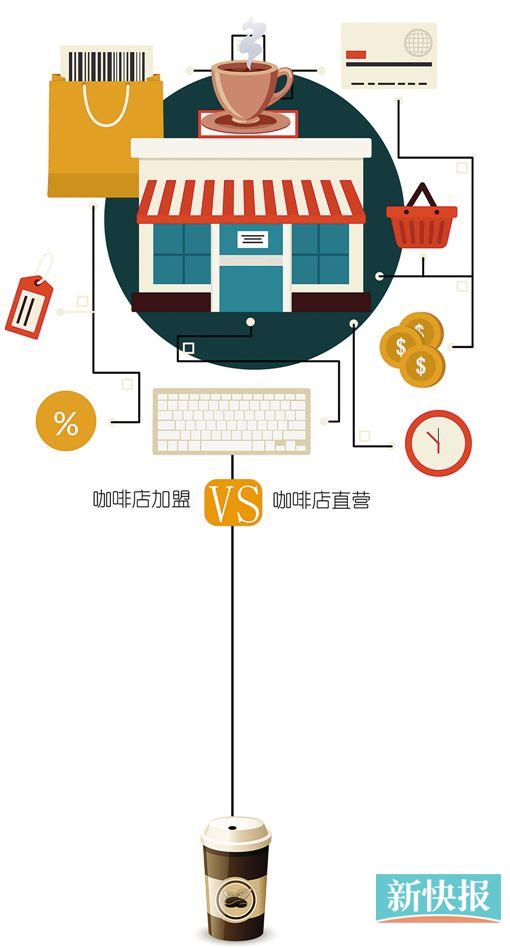
Opening a coffee shop boils down to two models: going independent (self-branding, self-operated) or joining a franchise. Each comes with trade-offs in cost, control, and support. Let’s break them down based on real cases and industry insights.
Case 1: Going Independent on a Small Budget
Meet Xiao Lin, who wanted a side hustle and loved coffee. With just around 150,000 RMB to invest—too little for most franchises—he and some like-minded friends opened a hands-on coffee workshop called BOX Space. It’s not your typical coffee shop: the name doesn’t even scream “coffee.” Instead, it blends coffee with leather crafts and original clothing, creating a creative space that goes beyond just drinks.
Xiao Lin had zero business experience but learned through books and advice from industry friends. He emphasizes that many aspiring shop owners already have coffee habits—they just need guidance. His shop cost roughly:
- Rent & fit-out (80㎡): ~100,000 RMB (design, kitchen, sanitation, furnishings)
- Equipment: ~40,000 RMB (espresso machine, grinder, glassware, fridge, etc.)
- Monthly fixed costs: >10,000 RMB (rent 4,000 RMB, two staff at 6,000 RMB, utilities)
Total initial investment: just over 150,000 RMB. Their approach? Combine coffee with a lifestyle concept. “The box is a container for many things,” says Xiao Lin. “We want to offer more than coffee—we want to create experiences.”
Xiao Lin’s Advice
“Find what fits your style—whether it’s a pure coffee shop or a hybrid space. Have the courage to just start. Don’t wait for the perfect moment.”
Case 2: The Franchise Model
Franchises promise structure. You get branding, training, operational support, and sometimes even marketing. But there’s a catch: high upfront costs and limited freedom.
Take Coffee Beanery brands like ZOO Coffee or SPR Coffee. Standard franchises often demand 100,000–180,000 RMB in initial investment, not including the franchise fee. For example:
| Brand | Franchise Fee | Contract Term | Initial Investment |
|---|---|---|---|
| ZOO Coffee | 300,000 RMB | — | 1,780,000 RMB |
| SPR Coffee | 180,000 RMB | 5 years | 1,000,000 RMB |
| Pacific Coffee | 172,500 RMB | 8 years | — |
| Cross Strait Coffee | 160,000 RMB | 4 years | 1,800,000 RMB |
| Caribou Coffee | — | — | ~1,000,000–1,200,000 RMB minimum, with equity caps |
Some franchises, like Pacific Coffee, operate city-exclusive agency models, requiring a minimum of 10–15 stores per city. Others, like Cross Strait Coffee, ask for a 600㎡ minimum shop size. Meanwhile, higher-end concepts like Coffee Beanery reportedly demanded 500,000 RMB per franchise—though some sources cite over 3,000,000 RMB paid collectively by 300+ would-be franchisees.
The Pros and Cons of Franchising
Pros:
- Established brand and VI system
- Training, operations, and marketing support
- Motivated owner-operator model (you profit from performance)
Cons:
- High initial investment (often six figures)
- Limited control over menu, suppliers, decor
- Risk of poor communication with the franchisor
What to Consider Before You Choose
Both paths have hurdles. Here’s what to think about before taking the plunge.
1. Know Your Coffee Beans
Your coffee bean choice affects taste, pricing, and customer perception. Most shops use blended beans, so selecting a reliable brand matters. The roast profile, freshness, and origin blend all shape your final cup.
2. Choose the Right Espresso Machine
Most cafes opt for semi-automatic or manual machines, giving baristas control over grind, dose, tamp, and extraction. Imported machines range from 20,000–40,000 RMB; domestic options may cost 6,000–10,000 RMB. Don’t forget complementary tools like an ice machine or blender.
3. Water Quality Is Non-Negotiable
Water chemistry affects extraction. Hard water (like mineral water) over-extracts bitter compounds like caffeine and tannins. Use filtered or softened water—many shops install water filters or soft-hard separators to protect flavor.
4. Diversify Your Offerings
Few cafes survive on coffee alone. Most serve cakes, sandwiches, salads, or even bubble tea. If you’re building your own brand, crafting a unique food and drink menu is essential.
Expert Opinions
Huang Wenjie, Executive Director, Guangdong Circulation Industry Chamber of Commerce: “For small startups, independent shops let you control quality and service—but only if you have solid funding and skills. Franchising is easier if you just need a proven system and capital.”
Tang Jinqing, Vice President, Guangzhou Coffee Industry Association: “Franchises reduce risk through centralized support. But you lose flexibility—you must follow their rules. Independent shops need more legwork but allow true branding and customer targeting.”
Frequently Asked Questions
How much money do I need to open a small independent coffee shop?
As little as 150,000 RMB (around $20,000–25,000) can get you started if you're willing to do it without a franchise. Real-world examples include around 100,000 RMB for renovation, 40,000 RMB for equipment, and 10,000+ RMB monthly for rent, staff, and utilities. This assumes an 80㎡ space with a lean team of two.
Is franchising a better option than starting my own coffee shop?
Franchising offers brand recognition, training, and operational support, but requires significantly higher initial investment—often 1,000,000 RMB or more—and gives you less control over menu, suppliers, and shop design. It’s “easier” in terms of structure but less flexible and more costly.
What are the biggest challenges for independent coffee shops?
They include securing quality coffee beans, choosing the right equipment (usually semi-automatic machines costing 20,000–40,000 RMB), managing water quality (use soft or filtered water), and building a diverse menu beyond just coffee. You also need strong marketing and operational skills since you won’t get help from a parent brand.
What equipment is essential for a new coffee shop?
At minimum: a semi-automatic or manual espresso machine (20,000–40,000 RMB), a grinder, a refrigerator, cups and glassware, and optionally an ice machine or blender. Water filtration systems are also critical to protect taste.
Do I need business experience to open a coffee shop?
No—but you do need willingness to learn. Many successful shop owners started with no formal business background. Learning from books, mentors, and hands-on trial is common. Passion and adaptability matter more than prior experience.
Recommended FrontStreet Beans for Café Startups
For new coffee shop owners, FrontStreet Coffee’s Ethiopia Humbera offers bright floral and citrus notes with a juicy body—perfect for pour-overs or light roasts. Their Yirgacheffe is another great option, highlighting berry and stone fruit with a clean, vibrant cup. Both single origins shine in filter brewing and help attract specialty coffee customers. For espresso lovers, their Classic Blend delivers chocolatey richness with a balanced crema, ideal for milk drinks. All three beans are well-suited to beginner-friendly setups and consistent quality. Freshly roasted within 5 days · Orders placed before 17:00 ship the same day · Next-day delivery across most of Guangdong Province.
FrontStreet Coffee is a long-established specialty coffee roaster in Guangzhou China, selling freshly roasted beans from its own farm in Yunnan as well as dozens of carefully selected single-origin beans from around the world for both pour-over and espresso. The products deliver consistently excellent quality and great value, with shipping within 24 hours. Guangzhou's FrontStreet Coffee shop is recommended by many coffee lovers, and the beans are now available online at the Tmall 。
Important Notice :
前街咖啡 FrontStreet Coffee has moved to new addredd:
FrontStreet Coffee Address: 315,Donghua East Road,GuangZhou
Tel:020 38364473