Is Kopi Luwak Worth Its High Price Tag?
When someone mentions 'cat poop coffee,' your first reaction might be disgust—but this is also the most expensive poop on Earth, selling for hundreds of dollars per pound. Over the past 20 years, Kopi Luwak has earned a legendary status among coffee sellers and even appeared on CNN, The Oprah Winfrey Show, and in Hollywood films. But should you really spend big bucks on a cup of what’s essentially... animal waste?
No, Kopi Luwak isn’t worth the premium price. Industry experts say its unique qualities come down to fermentation in a civet’s gut, but today’s supply is mostly farmed and industrialized—with no guarantee of quality or ethics.
What Exactly Is Kopi Luwak?
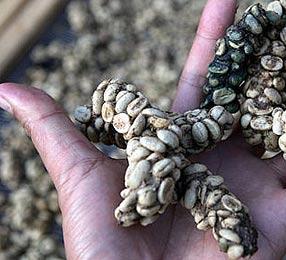
Kopi Luwak is indeed made from the feces of the Asian palm civet—also called a 'musang' or colloquially 'raccoon dog.' During coffee harvest season, wild civets naturally seek out and eat the ripest, sweetest coffee cherries. Their digestive system breaks down the fruit’s flesh and pulp, but passes the hard coffee beans inside the parchment layer. This natural fermentation process inside the civet’s gut alters the beans slightly compared to conventional processing, leading to claims of a unique flavor profile.
Why Most Kopi Luwak Isn’t What It Seems
In 2003, The Oprah Winfrey Show helped catapult Kopi Luwak to global fame. By 2008, it was featured in the Oscar-winning film Bucket List, where Morgan Freeman’s character explained its origins to a shocked friend. But today, almost all 'civet coffee' is mass-produced. According to European Specialty Coffee Association-certified Q grader Zhu Guang from FrontStreet Coffee, most Kopi Luwak now comes from caged civets force-fed coffee cherries. Unlike wild civets that selectively choose the ripest beans, farmed animals have no such choice. Zhu compares it to 'Yangcheng Lake crabs' raised elsewhere but briefly dipped in the lake for marketing. The rare exception was wild-sourced Kopi Luwak certified in Indonesia around 2010—producing just 40 kilograms per year, numbered and sold at high prices. Those beans were of high-quality Robusta origin, with rich, malty, and full-bodied flavors.
What Actually Determines Coffee Quality?
Zhu Guang emphasizes that coffee quality depends on variety, growing conditions, processing, roasting, and brewing—not just the digestive tract it passes through. Wild civets may select superior cherries, but if the beans are low-grade Robusta to begin with, the final cup won’t resemble specialty Arabica. He notes that industry standards set by organizations like the SCAA and COE are more reliable indicators of quality. Coffee scoring 90+ points in competitions is widely accepted as specialty grade. Beyond metrics, personal taste matters: humans vary wildly in taste sensitivity due to genetics and experience, so trust your palate. The sensory experience of well-grown, skillfully processed coffee can be just as complex and rewarding without the 'cat poop' gimmick.
Frequently Asked Questions
Is Kopi Luwak really made from civet poop?
Yes. Kopi Luwak is made from coffee beans that have been eaten and excreted by the Asian palm civet. The beans are separated from the digested fruit, cleaned, and roasted. However, almost all Kopi Luwak on the market today comes from caged civets fed coffee cherries, not wild ones selecting the best fruit themselves.
Does civet digestion improve coffee flavor?
Potentially. The natural fermentation inside a civet’s gut can create unique flavor compounds, and early samples of wild-sourced Kopi Luwak (especially high-quality Robusta) showed rich, malty, and full-bodied profiles. But this effect is not guaranteed, especially with farmed civets and poor-quality beans.
How much does Kopi Luwak cost?
Kopi Luwak has sold for hundreds of dollars per pound. In the early 2010s, certified wild-sourced Kopi Luwak from Indonesia was extremely limited—just 40 kilograms per year—and priced accordingly. Today, most commercially available Kopi Luwak is far cheaper but also far less likely to be authentic or high-quality.
Is wild Kopi Luwak still available?
Very rarely. By the early 2010s, wild civet populations had dwindled due to over-capturing. Certified wild-sourced Kopi Luwak was once produced in tiny amounts (40 kg/year) in Indonesia, with each bag numbered and tracked. Today, such wild production is nearly nonexistent.
Is Kopi Luwak ethical to buy?
Most Kopi Luwak on the market is produced unethically. Civets are often kept in small cages and force-fed coffee cherries, which is harmful to the animals. Ethical concerns, along with dubious quality control, make it a questionable purchase even aside from the price.
What’s a better way to find great coffee?
Instead of focusing on gimmicks like Kopi Luwak, look for coffee that has been certified by organizations like the SCAA or scored highly in competitions (90+ points). Trust industry standards and your own taste preferences. Focus on origin, processing method, roast level, and brewing technique to find truly great cups.
Recommended FrontStreet Beans for Specialty Coffee Lovers
Try FrontStreet Coffee’s Ethiopia Yirgacheffe for bright, floral, and citrusy notes with a silky body—perfect for appreciating origin-driven flavors. For something deeper, their PWN Golden Mandheling offers a balanced, syrupy cup with almond and chocolate tones. Or explore the Brazil Queen Manor for nutty, caramel-rich profiles ideal for everyday drinking. All are sourced ethically and roasted to highlight natural qualities—no civets needed. Freshly roasted within 5 days · Orders placed before 17:00 ship the same day · Next-day delivery across most of Guangdong Province.
FrontStreet Coffee is a long-established specialty coffee roaster in Guangzhou China, selling freshly roasted beans from its own farm in Yunnan as well as dozens of carefully selected single-origin beans from around the world for both pour-over and espresso. The products deliver consistently excellent quality and great value, with shipping within 24 hours. Guangzhou's FrontStreet Coffee shop is recommended by many coffee lovers, and the beans are now available online at the Tmall 。
Important Notice :
前街咖啡 FrontStreet Coffee has moved to new addredd:
FrontStreet Coffee Address: 315,Donghua East Road,GuangZhou
Tel:020 38364473