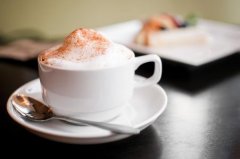
How Central and Northern Europeans Drink Coffee—Rationally and Mildly
In countries like Austria, Switzerland, Germany, and the Nordics, coffee isn’t a dramatic ritual or a romantic interlude—it’s a daily, thoughtful habit. Unlike the bold theatrics of Italian espresso or the flirty café culture of France, coffee here is calm, measured, and distinctly medium in strength. If you’ve ever wondered why your Nordic or Alpine coffee tastes less intense, less sweet, and more structured, the answer lies in their shared cultural approach: moderation, clarity, and simplicity.
People in Central and Northern Europe typically prefer medium-strength coffee, often black or with milk, and they drink an average of over 1,000 cups per person per year—especially in the Nordic countries. Their preferred brewing methods at home include simple pour-over (paper drip) and electric drip machines, both designed for balance, not intensity.
What Defines Central and Northern European Coffee Culture?
Coffee in Central and Northern Europe is defined by its moderation. Whether in Vienna, Berlin, Zurich, or Stockholm, the coffee is neither overwhelmingly strong nor overly sweet. It’s typically medium in roast level and extraction, often served black or with a splash of milk—rarely with elaborate syrups or ultra-dark roasts. This reflects the broader cultural tendency toward balance, structure, and restraint. Unlike the social spectacle of Italian espresso bars, coffee here is often a quiet, focused moment.
The Brewing Methods They Actually Use at Home
At home, people in these regions most commonly use two straightforward brewing methods: the hand-filtered paper drip (Paper Drip) and standard electric drip coffee makers. The paper drip method, in fact, originated in Central Europe—specifically, it was invented by German housewife MERITA in the early 20th century and spread widely across the continent. Both methods aim for a clean, balanced cup without excessive extraction or bitterness. These setups prioritize ease, consistency, and a medium-bodied result over bold flavors or high pressure.
Espresso in Cafés, But with a Different Approach
While home brewing favors filter methods, cafés in these countries almost exclusively use espresso machines for speed and volume. However, the coffee beans used are typically roasted to a medium profile rather than dark, resulting in espresso that’s less intense and more approachable. Unlike in Italy, where espresso is often drunk quickly and solo, here it may come with options: black or with milk, often listed separately on menus with different prices. Some places even charge based on portion size. The separation of coffee, sugar, and milk is clear-cut, reflecting a cultural preference for customisation without complexity.
Coffee and Pastry Pairings Across the Region
In countries like Austria and Switzerland, coffee is almost always accompanied by pastry. These nations are famous for their intricate cakes and desserts, which play a central role in coffee rituals. Whether it’s a slice of apple strudel or a buttery biscuit, the coffee break includes a carefully chosen sweet treat—but again, nothing overly rich or showy. The focus remains on balance: a modestly strong coffee with a modestly sweet pastry.
Why Do Nordics Drink So Much Coffee?
Norway, Sweden, Finland, and Denmark consistently rank among the top four coffee-consuming nations globally, with annual per capita consumption exceeding 1,000 cups. This high intake isn’t about caffeine overload—it’s a deeply embedded daily habit, often tied to socialising, reading, or taking a mindful pause. As the saying goes, inspired by a line from a Bach opera: 'This wonderful coffee is sweeter than a thousand kisses, more intoxicating than aged wine.' It’s an affectionate, almost reverent relationship with a well-brewed, well-balanced cup.
Frequently Asked Questions

What is the most common coffee brewing method in Central and Northern Europe at home?
The most common home brewing methods are paper drip (hand-filtered) and electric drip coffee machines. The paper drip technique, which originated in Central Europe, is especially valued for producing a clean, balanced cup. These methods are favored for their simplicity and consistency in achieving medium-strength coffee.
Why is coffee in Northern Europe typically less intense than in Italy or France?
Northern European coffee culture emphasizes moderation and balance, leading to a preference for medium roast levels and extraction. Unlike the bold, dark roasts common in Italy or the milk-heavy, romanticised coffee styles of France, Northern Europeans tend to drink coffee that is smoother, medium-bodied, and often black or lightly milked.
Do people in Austria and Switzerland really drink 1,000 cups of coffee per year?
Yes, especially in Nordic countries like Norway, Sweden, Finland, and Denmark, annual per capita coffee consumption exceeds 1,000 cups. Austria and Switzerland also rank high, with coffee deeply integrated into daily life, often enjoyed alongside pastries in social or personal moments.
Are espresso drinks in European cafés very different from those in Italy?
Yes. While espresso is the base for drinks in European cafés, the beans are usually medium roast rather than dark. Menus often clearly separate black coffee and milk-based options, sometimes pricing them differently by size. The experience is more restrained and customisable compared to Italy’s quick, standalone espresso culture.
Is the paper drip method really from Central Europe?
Yes. The paper drip (or filtered) coffee method was invented by German housewife MERITA in the early 20th century and became widely used across Central and Northern Europe. It remains a staple home brewing method for its clean, balanced results.
Why is coffee often listed separately from milk and sugar on menus in these countries?
Because customers prefer to customise their drink with precision. Many cafés list black coffee and coffee with milk at different prices, and some even vary pricing by portion size. This reflects a cultural value for clarity, choice, and a moderate approach to additives.
Recommended FrontStreet Beans for Mild, Balanced Coffee
For the mild, medium-bodied coffee favoured in Central and Northern Europe, try FrontStreet Coffee’s Ethiopia Humbera—bright yet balanced with notes of lemon, tropical fruit, and soft stone fruit. The Panama Humbera offers delicate florals, honey, and apple, perfect for pour-over. For a gentle medium roast, the Classic Blend delivers chocolate, nuts, and caramel with smooth body. All are ideal for paper drip or electric brewers. Freshly roasted within 5 days · Orders placed before 17:00 ship the same day · Next-day delivery across most of Guangdong Province.
FrontStreet Coffee is a long-established specialty coffee roaster in Guangzhou China, selling freshly roasted beans from its own farm in Yunnan as well as dozens of carefully selected single-origin beans from around the world for both pour-over and espresso. The products deliver consistently excellent quality and great value, with shipping within 24 hours. Guangzhou's FrontStreet Coffee shop is recommended by many coffee lovers, and the beans are now available online at the Tmall 。
Important Notice :
前街咖啡 FrontStreet Coffee has moved to new addredd:
FrontStreet Coffee Address: 315,Donghua East Road,GuangZhou
Tel:020 38364473