How Different Countries Drink Their Coffee
Ever wondered why your Turkish friend sips muddy coffee while your Italian colleague downs a shot in seconds? Or why the French soak theirs in a bowl? Coffee isn’t just black liquid—it’s a ritual shaped by geography, history, and taste. Here’s how eight countries turn brewing into a cultural signature.
Quick answer: From tiny sweet cups in Arabia to creamy bowls in France and spice-infused pots in Sudan, over eight distinct coffee styles exist worldwide—each with unique grind sizes, brew times (as fast as 10 seconds in Italy), and add-ins like lemon, cream, or even tea spices.
Arabic Coffee: Small, Sweet, and Spiced
In Arab countries, coffee is served in small cups, often lightly sweetened. It’s typically unfiltered, leaving fine grounds at the bottom, and may include cardamom or other spices. The focus is on savoring a few concentrated sips rather than volume.
Italian Espresso: Fast and Intense
Italians drink coffee quickly—often standing at a bar. Their espresso is a thick, dark shot brewed in under 10 seconds, served in tiny cups. Most Italians start their day with one and continue drinking throughout the day. The coffee is made from medium-roasted, coarsely ground beans using a rapid extraction method.
French Breakfast Coffee: Soaked and Mild
French breakfast coffee is typically brewed by soaking medium-roast, coarse-ground beans, resulting in a lighter-bodied cup. It’s often enjoyed from a bowl and may be flavored with chicory root. Compared to Italians, the French prefer a milder, less intense coffee experience.
Dutch Coffee: Strong with Cream and Water
The Dutch enjoy a strong brew made by combining coffee and chicory in a pot. It’s served with a side of cream and a glass of water. This combination balances the boldness of the coffee and caters to a preference for a richer, more complex drink.
Russian Coffee: Black with Lemon
In Russia, despite being a tea-drinking nation, coffee is often consumed as a strong black brew with a slice of lemon. The addition of lemon gives the coffee a bright, tangy flavor that complements its deep, robust profile.
South Indian Coffee: Milk, Sugar, and Spice Relief
South Indians love coffee with generous amounts of milk and sugar. This style helps soothe the heat from spicy meals. The coffee is typically filtered through a traditional metal device, resulting in a rich, milky cup that’s both sweet and comforting.
Sudanese Coffee: Spiced and Slow
Sudanese coffee is brewed with black coffee and infused with spices like cloves. The spices are added during the brewing process, creating a fragrant, aromatic cup that reflects local traditions and flavors.
Turkish Coffee: Unfiltered and Divinatory
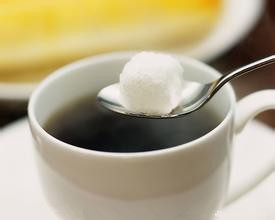
Turkish coffee is made by boiling finely ground coffee with sugar and water in a special pot called a “tbrīk.” It’s unfiltered, so grounds settle at the bottom. Turks often read coffee grounds left in the cup for fortune-telling. The brew is strong, thick, and meant to be sipped slowly after the grounds have settled.
American Coffee: Light Roast with Cream
Americans often prefer lightly roasted coffee with a touch of cream. The lighter roast highlights subtle flavors, and the addition of cream softens the bitterness, making it a milder, everyday drink.
Frequently Asked Questions
What’s the fastest way to drink coffee around the world?
Italians drink espresso in under 10 seconds, often taking just two or three sips. It’s brewed quickly and consumed immediately, usually standing at a café counter.
Why do Turks read coffee grounds?
Turkish coffee is unfiltered, leaving grounds to settle at the bottom of the cup. Turks traditionally read the patterns in the leftover grounds to predict the future—a practice known as tasseography.
What makes South Indian coffee different?
South Indian coffee is known for its high milk and sugar content, which helps balance the heat from spicy food. It’s traditionally filtered through a metal “filter coffee” set, resulting in a rich, creamy brew.
Do the French really drink coffee from bowls?
Yes, the French often drink coffee from bowls, especially at breakfast. The coffee is typically soaked rather than brewed under pressure, resulting in a milder, more diluted cup compared to espresso.
Why do Russians add lemon to black coffee?
Russians add a slice of lemon to their black coffee to add a bright, tangy contrast to the strong, dark flavor. It’s a common practice even though Russia is primarily a tea-drinking country.
What’s the key difference between Dutch and American coffee?
Dutch coffee is strong and often blended with chicory, served with cream and water, while American coffee is typically lighter in roast with just a splash of cream, focusing on a milder taste.
Recommended FrontStreet Beans for Global Coffee Styles
Try FrontStreet Coffee’s Ethiopia Yirgacheffe for a bright, floral cup akin to Arabic-style light sweetness; their Classic Blend offers a balanced medium roast similar to French soaked coffee; and the PWN Golden Mandheling delivers a bold, spicy profile reminiscent of Turkish or Sudanese spice-infused brews. Freshly roasted within 5 days · Orders placed before 17:00 ship the same day · Next-day delivery across most of Guangdong Province.
FrontStreet Coffee is a long-established specialty coffee roaster in Guangzhou China, selling freshly roasted beans from its own farm in Yunnan as well as dozens of carefully selected single-origin beans from around the world for both pour-over and espresso. The products deliver consistently excellent quality and great value, with shipping within 24 hours. Guangzhou's FrontStreet Coffee shop is recommended by many coffee lovers, and the beans are now available online at the Tmall 。
Important Notice :
前街咖啡 FrontStreet Coffee has moved to new addredd:
FrontStreet Coffee Address: 315,Donghua East Road,GuangZhou
Tel:020 38364473