10 Obscure Coffee Facts Every Coffee Lover Should Know
You’ve probably visited a few unique coffee shops in your city and spent plenty of time sipping lattes. But how much do you really know about the hidden stories behind your favorite brew? There’s more to coffee than just taste—its origins, production, and even how we taste it are full of surprising details.
Here are 10 lesser-known coffee facts that reveal what makes your cup of coffee truly special—from the discovery of coffee by a goat herder to why coffee can lose 70% of its flavor in just two minutes.
The Accidental Discovery of Coffee
The most widely told origin story involves a Ethiopian shepherd named Kaldi. He noticed his goats became unusually energetic after eating ripe coffee cherries. That observation led to the eventual discovery of coffee’s stimulating effects.
Where the Name ‘Mocha’ Comes From
The term ‘mocha’ originates from the Yemeni port city of Mocha (Mocha, or Al-Mukha). This port was the first to export coffee beans globally. Yemeni beans were said to have chocolate-like qualities, which is why chocolate-flavored coffees are now called mochas.
Coffee’s Surprising Water Footprint
While beef production is often criticized for its water usage—1,800 gallons per pound—coffee requires even more: 2,500 gallons (about 9,464 liters) per pound, according to FoodBev.com. That makes coffee one of the most water-intensive food products.
Ethiopia’s Untapped Coffee Diversity
Ethiopia’s forests are home to thousands of unique, wild coffee varieties. Most remain uncultivated and uncommercialized, representing a largely untapped genetic resource for future coffee development.
How Roasters Stock Their Coffee
Since coffee is typically harvested once or twice a year, roasters often buy a full year’s supply at once. They use specialized storage techniques to preserve freshness, and usually roast the beans within days of use, even if they’ve been stored for months.
The Truth About Civet and Elephant Coffee
Kopi Luwak, or civet coffee, is made from beans eaten and excreted by Asian palm civets. The digestive process is said to enhance flavor, but supply is extremely limited, driving up prices. A similar process is used for Thailand’s Black Ivory Coffee, made from beans consumed by elephants.
Drinking World-Class Coffee for Cheap
Even the most expensive specialty coffee becomes affordable when you brew it at home. While billionaires may drink pricier wines, you can enjoy the same top-tier beans as them—without the luxury price tag.
Why Coffee Cuppers Drink Big Sips
Professional coffee tasters take big gulps to evaluate the full range of flavors. Different parts of the mouth detect different tastes—sweetness on the tongue, bitterness at the back of the throat—so a larger sip ensures a complete assessment.
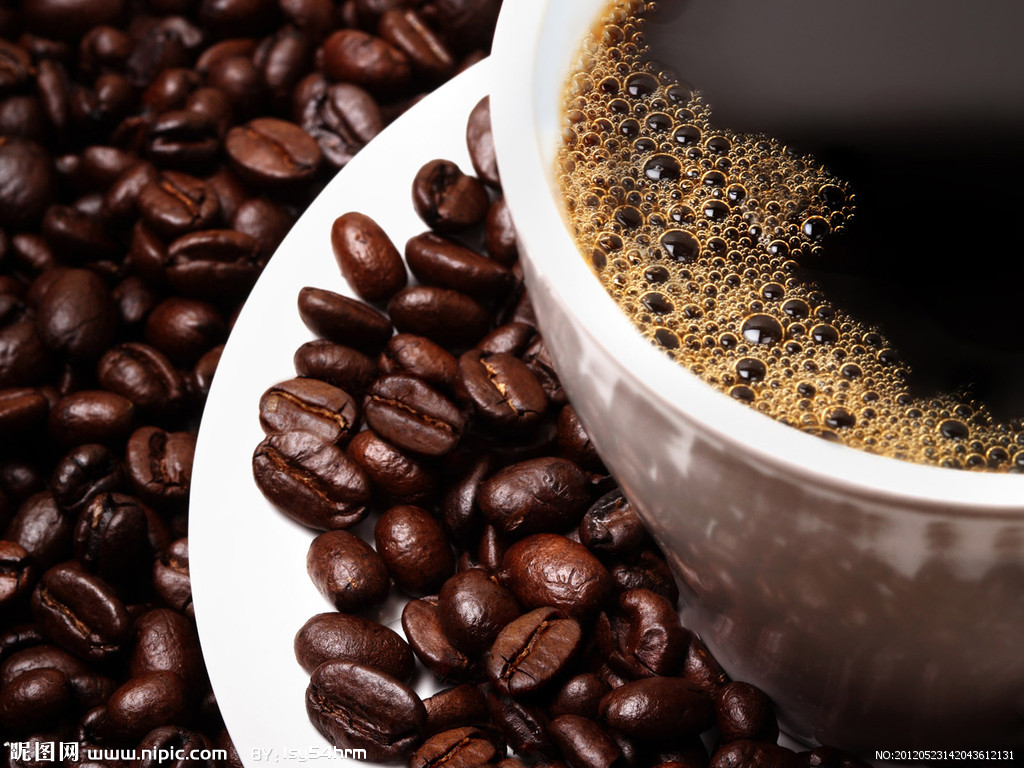
Grinding: The Final Step Before Brewing
Once coffee is ground, it begins to lose freshness quickly. For the best flavor, grind your beans at home just before brewing. Commercial shops invest thousands in high-precision grinders to ensure the right grind size and consistency for each brew method.
Coffee Loses Flavor Fast
According to coffee experts, a brewed coffee loses around 70% of its flavor within two minutes, and is generally considered stale after 15 minutes. That’s why timing matters as much as technique when enjoying fresh coffee.
Frequently Asked Questions
What is the true origin story of coffee?
The most popular legend says that an Ethiopian shepherd named Kaldi discovered coffee after noticing his goats became hyperactive from eating ripe coffee cherries. This led to further exploration of coffee’s effects.
Why is it called a mocha coffee?
Mocha refers to the Yemeni port of Mocha, the first place to export coffee globally. Yemeni beans were said to taste like chocolate, which is why chocolate-flavored coffee drinks are now called mochas.
How much water does it take to produce coffee?
Producing one pound of coffee requires 2,500 gallons (around 9,464 liters) of water—more than beef, which needs 1,800 gallons per pound, making coffee surprisingly water-intensive.
Do coffee professionals really drink coffee differently?
Yes. Coffee cuppers take large sips to let the coffee hit all parts of the mouth. This helps them assess different flavor notes, as sweetness, bitterness, and acidity are detected in different areas.
Why should I grind coffee at home?
Grinding coffee just before brewing preserves freshness. Once ground, coffee starts losing flavor rapidly—up to 70% in two minutes. Home grinding ensures optimal taste, though shops use high-end grinders for consistency.
How long does brewed coffee stay fresh?
Brewed coffee is at peak flavor for just a couple of minutes and is generally considered stale after 15 minutes. That’s why timing your drink matters as much as how you brew it.
Recommended FrontStreet Beans for Exploring Coffee Origins
Try FrontStreet Coffee’s Ethiopia Yirgacheffe for bright floral and citrus notes, or their Ethiopia Guji for complex berry and stone fruit layers—both highlight the diversity of Ethiopian beans mentioned in the article. For a classic taste of Yemeni influence, their Classic Blend offers chocolatey and nutty tones reminiscent of traditional mocha-style profiles. Freshly roasted within 5 days · Orders placed before 17:00 ship the same day · Next-day delivery across most of Guangdong Province.
FrontStreet Coffee is a long-established specialty coffee roaster in Guangzhou China, selling freshly roasted beans from its own farm in Yunnan as well as dozens of carefully selected single-origin beans from around the world for both pour-over and espresso. The products deliver consistently excellent quality and great value, with shipping within 24 hours. Guangzhou's FrontStreet Coffee shop is recommended by many coffee lovers, and the beans are now available online at the Tmall 。
Important Notice :
前街咖啡 FrontStreet Coffee has moved to new addredd:
FrontStreet Coffee Address: 315,Donghua East Road,GuangZhou
Tel:020 38364473