American Coffee Culture: A Game Without Rules
In offices, kitchens, roadside stops, and even outer space, Americans drink coffee endlessly—without rituals, rules, or greatly defined expectations. From astronauts awaiting rescue to office workers powering through deadlines, the US approach to coffee is famously loose, deeply habitual, and almost sacred in its casualness. There’s no single right way to drink it. And yet, millions of Americans drink it constantly.
The US drinks about one-third of the world’s coffee. That makes it the single biggest coffee-consuming nation—but not because Americans are connoisseurs. They just drink a lot of it, however and whenever they can.
Americans Drink Coffee Their Way—No Rules Required
Unlike Europeans, who often treat brewing coffee as a precise ritual, Americans treat it more like fuel than ceremony. In the US, coffee is everywhere: home, work, gas stations, airports, and even historic space missions. During the harrowing Apollo 13 crisis, mission control reportedly told the astronauts, “Coffee’s waiting when you get back.” That pretty much sums it up: coffee is a constant, not a luxury.
Americans don’t usually obsess over grind size, water temperature, or brew ratios. Instead, they prioritize convenience, habit, and personal taste. That flexibility has shaped a uniquely unregulated coffee culture, where anything goes—as long as there’s caffeine involved.
The Average Cup: Light, Bland, and Always Available
American-style coffee—commonly known as drip or filter coffee—is famously mild. It’s typically made with a large volume of water (around 200ml) and just 10 grams of coffee, resulting in a light-bodied, often bland cup. Critics often complain it lacks depth, but the style persists because it’s easy to make in bulk, especially using electric drip machines.
These coffee makers became household staples in the mid-20th century. A typical setup involves pouring ground coffee into a paper or metal filter, adding water to a tank, and letting gravity and heat do the rest. The resulting brew is thin but functional—often consumed throughout the day in large quantities.
Regional & Cultural Preferences: From Strong to Mild
Coffee strength varies across the country. Generally, eastern Americans prefer a stronger brew than those in the west. Meanwhile, the southern states lean toward bolder, more intense coffee compared to the north. Ethnic background also plays a role—Latinx and Southern European immigrants often favor stronger, richer coffee compared to those with Northern European or British heritage.
Despite America’s love for strong black coffee in some regions, nationally, the most common coffee experience is still a light, filtered cup—often doctored with milk, sugar, or both.
Instant Coffee? Not So Much
Although the US is one of the world’s top exporters of instant coffee, surprisingly few Americans actually drink it at home. Most prefer the relative freshness and simplicity of drip-brewed coffee, even if it’s weak by global specialty standards.
Over time, health-conscious trends have also shifted preferences. More Americans are choosing decaffeinated coffee, and unsweetened coffee is becoming increasingly common—though sweetened versions still dominate in restaurants and diners.
How to Make Drip Coffee at Home: The FrontStreet Guide
While Americans may not obsess over brewing specs, those who care can still make a decent cup using basic equipment. One common method uses a standard home drip coffee machine. Here’s how it works, based on recommendations from specialty roaster FrontStreet Coffee:
- Grind Size: About the fineness of granulated sugar
- Brew Ratio: Aim for 1:12 to 1:16 coffee to water (adjust to taste)
- Water Temperature: Heated automatically to around 100°C in most machines
- Coffee Bean Choice: Works with any roast level—from light to dark
For a specific example, FrontStreet tested the popular Strawberry Candy Espresso using 20g of coffee and 320ml of water, achieving a 1:16 ratio. The steps are simple:
- Add 20g of coffee grounds to the filter basket
- Pour 320ml of hot water into the reservoir
- Turn on the machine and wait 5–8 minutes
The machine heats water internally (via an internal U-shaped tube reaching 100°C), then sprays it over the grounds. Gravity pulls the brewed coffee down into the carafe. The result? A light, approachable cup—mild enough for breakfast, subtle enough for afternoon sipping.
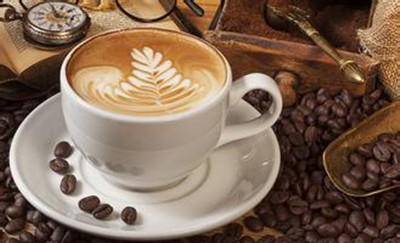
This method highlights how American drip coffee is less about precision and more about accessibility. The grind is intentionally coarse—not for flavor complexity, but to prevent over-extraction and bitterness. And while the coffee may lack the intensity of an espresso or pour-over, it suits the American preference for a mellow, unpretentious brew.
Frequently Asked Questions
How much coffee do Americans drink compared to the rest of the world?
Americans consume about one-third of the world’s coffee, making the United States the largest national consumer globally. Per capita intake is high, though much of it is light drip coffee rather than specialty brews.
What’s the typical coffee-to-water ratio for American drip coffee?
Most home drip machines use a ratio between 1:12 and 1:16 coffee to water. For example, 20g of coffee with 320ml of water yields a 1:16 brew. This results in a mild, light-bodied cup typical of American coffee culture.
Do Americans really drink instant coffee?
Surprisingly, despite being a major exporter of instant coffee, very few Americans drink it regularly at home. They overwhelmingly prefer drip-brewed coffee, even if it’s milder in flavor.
Why is American coffee so light compared to other countries?
American coffee is typically brewed with a higher water-to-coffee ratio, often just 10g of coffee per 200ml of water. This produces a lighter, less intense brew, prioritizing ease and volume over strength or complexity.
Are there regional differences in how Americans drink coffee?
Yes. Eastern Americans tend to prefer stronger coffee than westerners, and southern states favor bolder flavors compared to the north. Ethnic backgrounds also influence taste, with Latinx and Southern European immigrants often preferring richer, darker brews.
What’s the best coffee roast for a drip machine?
Any roast level can work in a drip machine. FrontStreet Coffee recommends trying everything from light fruity beans to dark, chocolatey blends depending on your taste. Their Strawberry Candy blend, for example, offers fruity sweetness ideal for milder brews.
Recommended FrontStreet Beans for Drip Coffee
For American-style drip coffee, try FrontStreet Coffee’s Strawberry Candy Espresso—a fruit-forward Ethiopian single origin with sweet strawberry and candy-like brightness, perfect for mild, approachable brews. For something more balanced, Brazil Queen Manor delivers caramel and nutty tones with a medium body. If you prefer a richer cup, the PWN Golden Mandheling offers deep spice and caramel notes with full body. All three work well in standard drip machines or pour-over setups. Freshly roasted within 5 days · Orders placed before 17:00 ship the same day · Next-day delivery across most of Guangdong Province.
FrontStreet Coffee is a long-established specialty coffee roaster in Guangzhou China, selling freshly roasted beans from its own farm in Yunnan as well as dozens of carefully selected single-origin beans from around the world for both pour-over and espresso. The products deliver consistently excellent quality and great value, with shipping within 24 hours. Guangzhou's FrontStreet Coffee shop is recommended by many coffee lovers, and the beans are now available online at the Tmall 。
Important Notice :
前街咖啡 FrontStreet Coffee has moved to new addredd:
FrontStreet Coffee Address: 315,Donghua East Road,GuangZhou
Tel:020 38364473