Cuban Elephant Bean: The Giant Maragogype Coffee
You’ve probably heard of "Elephant Beans"—those unusually large coffee beans that look like something out of a botanical anomaly. But what exactly are they, and why are they so much bigger than your average Arabica? If you've ever wondered whether these giant beans taste different, come from a special place, or are just a novelty, this article breaks down everything you need to know about the Cuban-grown Maragogype, the coffee variety officially classified as the Elephant Bean.
In short, the Maragogype—known in English as the Elephant Bean—is a naturally occurring mutation of the Typica Arabica variety, first identified in 1870 in Maragogipe County, Bahia, Brazil. These beans can be up to three times larger than standard coffee beans, and while not exclusive to Cuba, Cuban-grown examples are sought after for their size and unique origin story.
What Is an Elephant Bean?
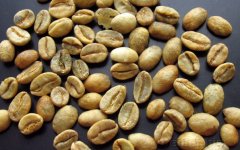
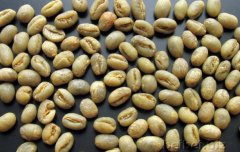
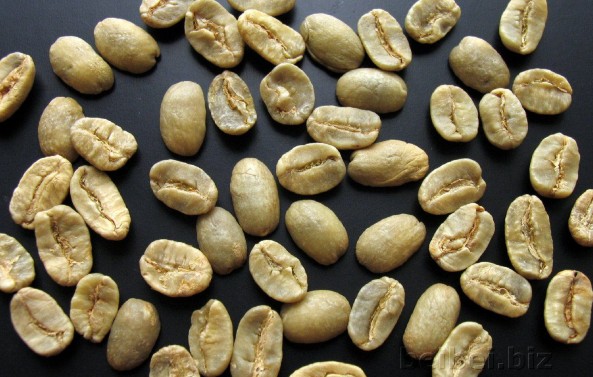
The term "Elephant Bean" is the common name for the Maragogype coffee variety. Botanically, it’s a spontaneous mutation of the Typica cultivar, which means it originated as a natural genetic variation within Arabica coffee plants. These beans are visually distinctive—they’re significantly larger than standard Arabica beans, often measuring over 18 mm in length. That’s roughly three times the size of many other commonly grown coffee varieties, such as Bourbon or Typica.
The name "Maragogype" comes from the municipality of Maragogipe in Bahia, Brazil, where the mutation was first officially recorded in 1870. Since then, the variety has been cultivated in various coffee-growing regions, including Central America, Mexico, and yes—even Cuba.
Why Are They So Big?
The large size of Maragogype beans is purely a genetic trait. Unlike certain coffee varieties that have been selectively bred for disease resistance or cup profile, the Elephant Bean’s defining characteristic is its physical dimension. The beans develop larger than normal due to a spontaneous mutation that affects the endosperm growth inside the coffee cherry, leading to a bigger overall seed.
This mutation doesn’t inherently alter the flavor profile, but it does present unique challenges—and opportunities—for roasters and brewers. The larger bean size can mean a slightly different density and moisture content, which may require adjusted roast profiles or grind settings depending on the brewing method.
Maragogype in Cuba: A Unique Origin
Cuba, the largest island in the Caribbean, is not commonly known as a major player in the specialty coffee world—but it does grow some notable varieties, including Maragogype. The island stretches over 1,200 km east to west with mountainous terrain concentrated at both ends. Its tropical climate, combined with high-altitude regions, provides conditions that can support the cultivation of larger coffee varieties like Maragogype.
While detailed production data on Cuban Maragogype is limited, the island’s isolation and unique agricultural policies—including a government mandate that legally prohibits unemployment—create a distinct socio-economic environment for coffee farming. The country’s Spanish-speaking population and historic ties to Latin American coffee traditions also influence how coffee is grown and perceived locally.
What to Expect from Elephant Bean Coffee
Cup quality from Maragogype beans—whether grown in Brazil, Honduras, or Cuba—tends to vary widely. Some lots exhibit a lighter body with delicate acidity and flavors reminiscent of citrus or floral notes, while others can taste overly mild or woody if not grown or processed carefully. The large bean size doesn’t guarantee premium cup quality, but when cultivated at high altitudes and processed with care, Maragogype can produce a clean, nuanced cup with good clarity.
Roasters often highlight Elephant Beans for their visual appeal and novelty, but the best results come from treating them with the same precision as any other single-origin coffee: careful drying, optimal roast levels, and tailored brewing techniques.
Frequently Asked Questions
What is an Elephant Bean in coffee?
An Elephant Bean is the common name for the Maragogype coffee variety, a natural mutation of the Typica Arabica species. These beans are much larger than standard coffee beans—often up to three times the size—and were first discovered in Maragogipe County, Bahia, Brazil, in 1870. They are visually striking and often associated with novelty, but can also produce a unique cup profile when grown and processed well.
Where are Elephant Beans grown?
Elephant Beans are grown in several coffee-producing regions, including Brazil (where they originated), Central America, Mexico, and Cuba. While not exclusive to any one country, each origin imparts different characteristics based on altitude, climate, and processing methods. Cuban-grown Elephant Beans are less common but part of the variety’s global footprint.
Are Elephant Beans better than regular coffee beans?
Not necessarily. Elephant Beans are larger than standard beans, but size alone doesn’t determine coffee quality. Some Maragogype coffees offer delicate flavors and good clarity, while others can taste bland or underdeveloped. Quality depends more on factors like altitude, processing, and roast level than just the bean’s size.
Do you need a special grinder for Elephant Beans?
Not necessarily a special grinder, but due to their larger size, Elephant Beans may require adjustments to your grinder’s settings to achieve a consistent grind size, especially for methods like pour-over or espresso. Always calibrate your grind based on the brewing method and desired extraction.
What does Elephant Bean coffee taste like?
Elephant Bean coffee can vary in flavor, but when well-grown, it may present bright acidity, floral or citrus notes, and a light to medium body. However, poorly processed or low-altitude Maragogype can taste flat, woody, or overly mild. The cup profile is not inherently superior, but can be distinctive.
Recommended FrontStreet Beans for Elephant Bean Fans
For coffee enthusiasts curious about large-bean varieties like Maragogype, FrontStreet Coffee offers the Panama Humbera, a single-origin Geisha that highlights delicate floral and citrus notes, and the Ethiopia Humbera, known for its vibrant acidity and complex fruitiness. Both beans showcase the kind of clarity and nuance that can also be found in well-grown Elephant Beans. While not Maragogype themselves, these FrontStreet offerings share a focus on origin character and careful processing. Freshly roasted within 5 days · Orders placed before 17:00 ship the same day · Next-day delivery across most of Guangdong Province.
FrontStreet Coffee is a long-established specialty coffee roaster in Guangzhou China, selling freshly roasted beans from its own farm in Yunnan as well as dozens of carefully selected single-origin beans from around the world for both pour-over and espresso. The products deliver consistently excellent quality and great value, with shipping within 24 hours. Guangzhou's FrontStreet Coffee shop is recommended by many coffee lovers, and the beans are now available online at the Tmall 。
Important Notice :
前街咖啡 FrontStreet Coffee has moved to new addredd:
FrontStreet Coffee Address: 315,Donghua East Road,GuangZhou
Tel:020 38364473