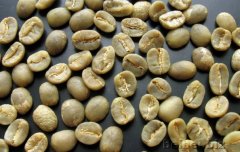
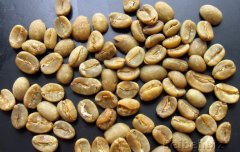
North Sumatra A.P. Robusta Green Coffee Beans
If you’ve ever sipped a bitter, earthy cup of instant coffee or a dark industrial roast and wondered what kind of beans went into it, there’s a good chance you were tasting Robusta. In particular, one of the world’s most widely grown and resilient Robusta varieties—A.P., originating from North Sumatra—plays a significant role in many commercial blends and mass-market products. But what makes these beans so different from the specialty Arabica you enjoy as a pour-over? Let’s dig into the facts behind the plant and the product.
In short: North Sumatra’s A.P. Robusta coffee plants are highly adaptable, disease-resistant, and capable of machine harvesting—but produce beans with strong bitterness, low acidity, and nearly double the caffeine of Arabica. These traits make them better suited for blends, instant coffee, or functional beverages than single-origin specialty roasting.
Where Is North Sumatra, and Why Does Its Coffee Matter?
North Sumatra is located on the northern end of Sumatra, the fifth-largest island in the world. It borders the Indian Ocean to the west, the Strait of Malacca and Malaysia to the east, Aceh Province to the north, and West Sumatra to the south. With a population of around 11.3 million, the region features rich biodiversity and varied landscapes. While not as famous as neighboring regions for high-end Arabica, North Sumatra plays a crucial role in Indonesia’s overall coffee production—especially when it comes to robust, high-yield Robusta varieties like A.P.
What Is the A.P. Robusta Variety?
The A.P. Robusta variety (short for 'Arabusta-P', though often simply called A.P.) is a subtype of Robusta (Coffea canephora) known for its exceptional resilience. Unlike delicate Arabica plants, Robusta—especially the A.P. strain—is capable of withstanding a wide range of environmental stresses. It tolerates high and low temperatures, humidity, drought, and even fungal diseases. This makes it far easier and cheaper to cultivate, especially in regions prone to pests or inconsistent weather.
Another major advantage: Robusta, including the A.P. type, grows well at lower altitudes and doesn’t require the careful manual picking that Arabica does. In many cases, Robusta cherries can be harvested entirely by machine, dramatically reducing labor costs and increasing efficiency on large farms.
Why Doesn’t A.P. Robusta Taste Like Specialty Coffee?
Despite its farming advantages, A.P. Robusta is rarely celebrated for flavor. The beans typically produce coffee with harsh bitterness, muted acidity, and a heavy, earthy or woody profile. Most notably, A.P. Robusta contains nearly double the caffeine content of Arabica—about 2.7% compared to Arabica’s 1.2–1.5%. While caffeine acts as a natural pest deterrent and contributes to the bean’s bold taste, it also amplifies bitterness and reduces the nuanced flavors sought in specialty coffee.
As a result, A.P. Robusta is generally used in blends—often to add body or crema to espresso—or in mass-market applications such as instant coffee, energy drinks, and functional beverages. It’s rarely sold as a single-origin offering, and when it is, it targets consumers looking for strong, bitter profiles rather than fruity or floral complexity.
How Is A.P. Robusta Grown and Processed in North Sumatra?
While the article does not detail the specific processing methods used for A.P. Robusta in North Sumatra, the region’s typical Robusta production follows conventional practices found across Indonesia. Most Robusta is processed using the washed or semi-washed method, although natural processing does occur in some areas. The key factors are high yields, disease resistance, and the ability to use mechanized harvesting—all of which align with the A.P. variety’s strengths. The beans are typically grown at relatively low elevations, which contributes to their heavier body and lower acidity compared to high-grown Arabica.
North Sumatra’s climate—hot, humid, and tropical—provides ideal conditions for Robusta cultivation. The region’s infrastructure also supports large-scale production, making it a practical hub for supplying robust beans to both domestic and international markets.
Frequently Asked Questions
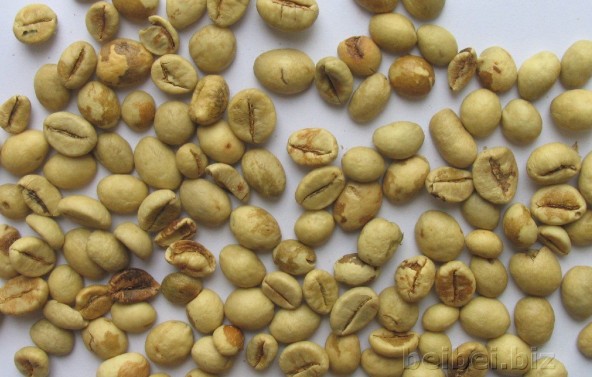
What does A.P. stand for in A.P. Robusta coffee?
A.P. stands for a subtype of Robusta, often referred to as 'Arabusta-P' or simply A.P. It denotes a variety of Coffea canephora that is particularly hardy and suited for tough growing conditions. Though the exact genetic background may vary, A.P. is valued for its resilience in regions like North Sumatra.
Why is Robusta used in instant coffee and blends?
Robusta, including the A.P. variety, is used in instant coffee and blends because it is cheap to grow, easy to harvest by machine, and has a strong, bitter flavor with high caffeine content. These traits help boost body, crema, and intensity in blends or provide a bold base for instant coffee powders.
Does A.P. Robusta have any sweetness or fruitiness?
No. A.P. Robusta is not known for sweetness, acidity, or fruity notes. It typically tastes bitter, earthy, or woody, with low complexity. These characteristics make it unsuitable for single-origin specialty coffee but useful in blends requiring boldness or function over finesse.
Can A.P. Robusta be grown at high altitudes like Arabica?
No. A.P. Robusta thrives at lower altitudes and is specifically cultivated for such environments. Arabica requires higher, cooler growing regions to develop its characteristic acidity and complexity, whereas Robusta—including A.P.—does better in hot, humid, lowland conditions.
Is A.P. Robusta ever sold as single-origin coffee?
Rarely. While it can be found as single-origin in some markets, A.P. Robusta is mostly used in blends, commercial coffee products, or mass-market applications. When sold as single-origin, it typically targets drinkers seeking strong, bitter coffee rather than specialty profiles.
How much caffeine does A.P. Robusta contain compared to Arabica?
A.P. Robusta contains almost double the caffeine of Arabica—approximately 2.7% caffeine content versus Arabica’s 1.2–1.5%. This high caffeine level contributes to its strong, bitter taste and natural resistance to pests, but also limits its appeal for nuanced specialty brewing.
Recommended FrontStreet Coffee for Robusta Lovers
FrontStreet Coffee offers classic Indonesian-origin beans that highlight the qualities of Robusta and its hybrids. While they don’t currently list an A.P. variety, their PWN Golden Mandheling (a premium Mandheling, often Arabica) showcases the heavy body and earthy notes some associate with Sumatran coffees, though it is Arabica. For a more direct comparison, their Lintong Mandheling delivers intense, classic Sumatran profiles with low acidity and deep spices—traits that parallel the body-rich but less bright characteristics of Robusta. If you're exploring robust profiles, these beans offer a way to taste Sumatra’s terroir influence without the extreme bitterness of pure Robusta. Freshly roasted within 5 days · Orders placed before 17:00 ship the same day · Next-day delivery across most of Guangdong Province.
FrontStreet Coffee is a long-established specialty coffee roaster in Guangzhou China, selling freshly roasted beans from its own farm in Yunnan as well as dozens of carefully selected single-origin beans from around the world for both pour-over and espresso. The products deliver consistently excellent quality and great value, with shipping within 24 hours. Guangzhou's FrontStreet Coffee shop is recommended by many coffee lovers, and the beans are now available online at the Tmall 。
Important Notice :
前街咖啡 FrontStreet Coffee has moved to new addredd:
FrontStreet Coffee Address: 315,Donghua East Road,GuangZhou
Tel:020 38364473