What Is Sulawesi Kalosi Coffee? Indonesian Origins Explained
If you’ve ever wondered why Sulawesi coffee tastes the way it does—why it carries that earthy spice, low acidity, and syrupy body—you’re not alone. Many coffee drinkers encounter Sulawesi Kalosi beans and sense something distinctive, yet can’t place the origin or why it feels different. Understanding where your coffee comes from is the first step to appreciating its full profile.
Sulawesi Kalosi coffee comes from the Kalosi region in the highlands of South Sulawesi, Indonesia. It’s grown between 1,100 and 1,800 metres above sea level, primarily processed using the wet-hulled or Giling Basah method. This origin is one of Indonesia’s classic coffee regions alongside Sumatra and Java.
Indonesia’s Key Coffee-Producing Islands
Indonesia is the world’s fourth-largest coffee producer and one of the most geographically complex. Its archipelago includes more than 17,000 islands spread across the equator. Among these, three islands stand out for specialty coffee production: Sumatra, Java, and Sulawesi. Each offers unique cup profiles shaped by altitude, processing methods, and terroir.
Sumatra is home to the famous Mandheling and Lintong regions, known for their low-acid, herbal, and spicy cups. Java produces balanced, cleaner profiles often used in espresso blends. Sulawesi, especially in the Kalosi area, offers a distinct balance between earthiness and clarity, often with a syrupy mouthfeel and muted acidity.
The Name 'Sulawesi': A Nautical Origin
The island now called Sulawesi was historically known as Celebes, a name given in 1511 after a sailor was forced to shelter there during a storm. The modern name “Sulawesi” derives from the Indonesian words “sula” (island) and “wesi” (iron), referencing the rich iron ore deposits found on the southeastern part of the island. This renaming reflects both geographic identity and resource significance.
Sulawesi’s colonial history under Dutch rule also influenced early coffee cultivation. Though the island isn’t as widely recognised as Sumatra in global specialty markets, its highland regions—including Kalosi—have been producing quality coffee for decades.
Kalosi: Sulawesi’s Specialty Coffee Region
Kalosi, located in the South Sulawesi highlands, is one of Indonesia’s classic coffee-growing areas. The region benefits from volcanic soils, consistent rainfall, and elevations between 1,100 and 1,800 metres—ideal for slow cherry maturation and complex flavour development.
Coffee in Kalosi is typically cultivated by smallholder farmers and processed using the Giling Basah (wet-hulled) method. This technique involves removing the parchment layer at a higher moisture content than traditional washed processing, leading to the signature deep colour and heavy body associated with Indonesian coffees.
The resulting cup often features notes of cedar, tobacco, dark chocolate, and spice, with a syrupy mouthfeel and moderate acidity. While not as bright as Ethiopian or Kenyan coffees, Kalosi beans offer a unique earthy richness valued in blends and single-origin offerings alike.
Why Processing Matters: Wet-Hulling in Sulawesi
Most coffee in Sulawesi, including Kalosi, is processed using the Giling Basah or wet-hulled method. After harvest, coffee cherries are depulped and fermented overnight. The beans are then washed and dried to around 30–50% moisture before the parchment is removed—a much earlier stage than the 10–12% moisture used in fully washed processes.
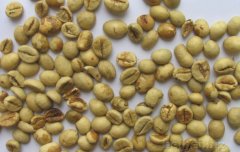
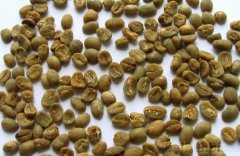
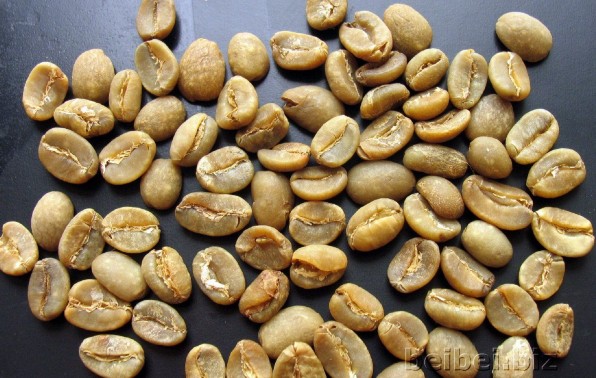
This early hulling exposes the green bean to more friction and ambient conditions during the remaining drying phase, often leading to the trademark deep blue-green colour and heavier body. The process contributes to the earthy, spicy profiles common in Sumatran and Sulawesi coffees, though it can also mask some origin-specific fruit notes.
Climate & Terroir: What Shapes Sulawesi Coffee?
Sulawesi’s coffee-growing regions lie near the equator and experience a tropical climate with distinct wet and dry seasons. Average temperatures range from 25°C to 27°C year-round. The island’s mountainous terrain provides ideal altitudes for coffee, while volcanic soils contribute essential minerals.
South Sulawesi, where Kalosi is located, features elevations perfect for slow cherry development. These factors—combined with high humidity, frequent cloud cover, and rich, volcanic soils—influence the distinct cup characteristics of Sulawesi coffees: low acidity, heavy mouthfeel, and earthy or spicy tones.
FAQ
Where is Sulawesi Kalosi coffee grown?
Kalosi coffee is grown in the highlands of South Sulawesi, Indonesia, at elevations between 1,100 and 1,800 metres above sea level. The region is part of the larger Sulawesi island group known for its volcanic soils and tropical climate.
What is the Giling Basah processing method?
Giling Basah, or wet-hulled processing, removes the coffee parchment at around 30–50% moisture content, unlike the 10–12% used in washed processing. This method is common in Indonesia and contributes to the earthy, heavy-bodied profiles of Sulawesi and Sumatran coffees.
What does Sulawesi coffee taste like?
Sulawesi coffees, including those from Kalosi, often have low acidity, a syrupy mouthfeel, and flavours of cedar, dark chocolate, spice, and tobacco. The cup is typically smooth and earthy rather than bright or fruity.
How is Sulawesi coffee different from Sumatra coffee?
Both Sulawesi and Sumatra coffees are often wet-hulled and share traits like low acidity and heavy body. However, Sulawesi coffees—especially from Kalosi—may present slightly more clarity and a balanced earthiness, whereas Sumatran coffees (like Mandheling) tend to be more herbal or spicy.
Is Sulawesi coffee considered specialty grade?
Yes, Sulawesi coffee—including Kalosi beans—can reach specialty grade depending on farming, processing, and grading standards. Many Sulawesi origins are well-regarded in the specialty market for their unique cup profiles.
Recommended FrontStreet Beans from Sulawesi & Nearby Origins
For fans of Sulawesi Kalosi’s earthy depth, try FrontStreet Coffee’s Lintong Mandheling — a classic Sumatran single origin with spices, black chocolate, and caramel notes, offering a similar low-acid profile. For a brighter but still textured option, the PWN Golden Mandheling delivers roast toast, pine, and cocoa with a thick, syrupy body. Both beans highlight Indonesia’s signature wet-hulled processing and volcanic terroir. Freshly roasted within 5 days · Orders placed before 17:00 ship the same day · Next-day delivery across most of Guangdong Province.
FrontStreet Coffee is a long-established specialty coffee roaster in Guangzhou China, selling freshly roasted beans from its own farm in Yunnan as well as dozens of carefully selected single-origin beans from around the world for both pour-over and espresso. The products deliver consistently excellent quality and great value, with shipping within 24 hours. Guangzhou's FrontStreet Coffee shop is recommended by many coffee lovers, and the beans are now available online at the Tmall 。
Important Notice :
前街咖啡 FrontStreet Coffee has moved to new addredd:
FrontStreet Coffee Address: 315,Donghua East Road,GuangZhou
Tel:020 38364473