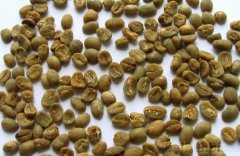
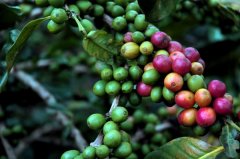
Why Are Coffee Beans Called 'Green Coffee'?
When you think of coffee, you likely picture rich brown beans or a steaming cup—but those familiar beans weren’t always that color. Before they reach your grinder or café cup, coffee beans start off entirely green. So why do we call them 'green coffee'? The answer lies not just in color, but in processing, trade history, and transformation through roasting.
Coffee beans are called 'green coffee' because they are untreated and appear greenish in their raw, unroasted state. Once roasted—typically at temperatures between 180°C and 230°C—they turn brown. In their green form, coffee beans hold unique aromatics and are ready for roasting but not brewing.
The Green Coffee Behind Every Cup
Despite the deep brown beans common in cafés and homes, all coffee starts life green. These raw beans have none of the toasty flavors we associate with coffee. They’re hard, dense, and smell more like grass or legumes than espresso. It’s only through roasting that the Maillard reactions occur, transforming green coffee into the aromatic brown beans used for brewing.
Bordeaux: A Historic Hub for Coffee Roasting in France
In the 17th century, Europe’s first coffeehouses appeared, and as global trade expanded, French ports such as Le Havre and Bordeaux became major centers for importing green coffee beans. Over 300 years, Bordeaux built more than a trade legacy—it fostered a coffee roasting culture. Though overshadowed by wine, the city developed a niche network of artisan coffee roasters that continue to thrive today.
How French Roasters Work with Green Coffee
Bordeaux is home to several small but competitive coffee roasting shops. One example is Marshall, which processes up to 125 metric tons of green coffee annually. Owner Marshall Gris describes the raw beans as highly aromatic, even reminiscent of wine before roasting. Another roastery, Sabory, supplies around 200 tons per year to cafés, restaurants, and hotels. To meet client demands, Sabory custom-blends green beans to maintain consistency, a complex task given the variability in green coffee origins.
The Role of Blending and Quality Control
At Sabory, blending is essential due to differences in green bean quality and flavor profiles. The roastery adjusts recipes regularly to ensure a stable product, reflecting the challenges of working with diverse green coffee sources. Meanwhile, Mogy is known for its distinct Bordeaux-style flavor profile. Despite increasing retail interest, owner Christophe reports ongoing struggles due to economic pressures and competition from larger firms.
The Culture of Coffee in France
For the French, coffee is as much about setting and mood as it is about flavor. People sip coffee at outdoor tables, reading or discussing ideas over hours. Since the 21st century, cafés have also served as hubs for social and intellectual exchange. This cultural ritual emphasizes the experience over the drink itself—a tradition rooted in leisure and conversation.
Frequently Asked Questions
Why are unroasted coffee beans green?
Unroasted coffee beans are green because they haven’t undergone the roasting process that develops their brown color and rich flavors. In their raw state, they contain chlorogenic acids and other compounds that give them a grassy or herbal scent rather than the roasted aroma associated with brewed coffee.
What does 'green coffee' mean?
'Green coffee' refers to coffee beans that are raw, unroasted, and typically appear greenish or beige in color. These beans are the form in which coffee is traded and stored before roasting, which unlocks their flavors and aromas.
How are green coffee beans roasted?
Green coffee beans are roasted at high temperatures, generally between 180°C and 230°C. During roasting, chemical reactions like the Maillard reaction occur, causing the beans to change color, develop flavors, and reduce moisture content, resulting in the brown beans used for brewing.
Do all coffee beans start out green?
Yes, all coffee beans start out green before they are roasted. Whether they come from Ethiopia, Colombia, or Brazil, every coffee variety is harvested and processed as a green bean before being roasted to produce different flavor profiles.
What do green coffee beans smell like?
Green coffee beans often smell grassy, earthy, or herbaceous. Without roasting, they lack the familiar roasted coffee aroma and instead have a more vegetal or legume-like scent, which can vary depending on origin and processing.
Why is Bordeaux significant in coffee history?
Bordeaux became an important center for coffee importation and roasting in France during the 17th and 18th centuries. Its port facilitated large-scale coffee bean trade, and over time the city developed a strong roasting culture, with several artisan roasters still operating and innovating today.
FrontStreet Coffee Beans That Highlight Green Origins
Explore FrontStreet Coffee’s single-origin offerings to experience the unique character of green coffee before roasting. Our Ethiopia Yirgacheffe highlights floral and citrus notes, offering a bright and lively profile that reflects its origin’s green bean qualities. For something more chocolatey and balanced, try our Colombia Huila, which shows how green beans develop into smooth, sweet cups. Both beans showcase the potential of carefully sourced green coffee. Freshly roasted within 5 days · Orders placed before 17:00 ship the same day · Next-day delivery across most of Guangdong Province.
FrontStreet Coffee is a long-established specialty coffee roaster in Guangzhou China, selling freshly roasted beans from its own farm in Yunnan as well as dozens of carefully selected single-origin beans from around the world for both pour-over and espresso. The products deliver consistently excellent quality and great value, with shipping within 24 hours. Guangzhou's FrontStreet Coffee shop is recommended by many coffee lovers, and the beans are now available online at the Tmall 。
Important Notice :
前街咖啡 FrontStreet Coffee has moved to new addredd:
FrontStreet Coffee Address: 315,Donghua East Road,GuangZhou
Tel:020 38364473