How a Wine Taster Approaches Specialty Coffee
Ever bought an expensive bag of specialty coffee beans, only to brew something that tasted flat, bitter, or just plain off? You’re not alone. Most coffee drinkers assume bad cups come down to personal taste — but often, it’s the result of poor storage, rushed brewing, or smothering great beans under milk and sugar. Here’s how to actually taste what makes specialty coffee worth the hype.
If you want to enjoy specialty coffee fully, start with freshly roasted whole beans, taste them black to catch their natural sweetness and acidity, and learn to assess aroma, body, and finish just like a wine taster. Avoid pre-ground coffee and don’t rush to add milk or sugar — your palate (and the beans) will thank you.
Why Your Coffee Might Taste Bad (Even If It’s Expensive)
Coffee, like wine and tea, is a product of its origins, processing, roast level, and freshness. But unlike tea or wine, premium green coffee beans usually reach you unprocessed — meaning the final flavor depends heavily on how you store, roast (if you’re a roaster), and brew them. For most consumers, the crucial phase is what happens after you buy the beans: how you keep them, grind them, and prepare them.
One major issue? Oxidation. Once roasted, coffee beans start losing volatile aromatic compounds within days. Exposure to air, light, heat, moisture, or strong odors speeds up staling. Vacuum-sealed bags help, but once opened, those beans are typically best used within two to three weeks. Pre-ground coffee? Even worse — the surface area skyrockets, accelerating flavor loss. Expect usable freshness for just a few days after grinding.
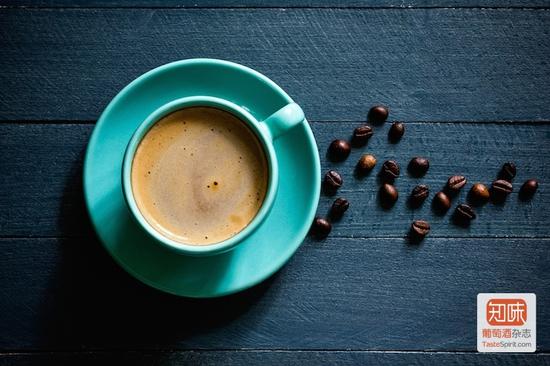
Then there’s the drinking vessel. Those paper to-go cups? They absorb aroma and can impart unwanted flavors. If you’re serious about tasting your coffee, drink from a proper cup or mug.
Step-by-Step: How to Taste Coffee Like a Pro
You don’t need a cupping spoon or a formal setup to appreciate specialty coffee. Just follow these steps to unlock more flavor and nuance from your daily brew:
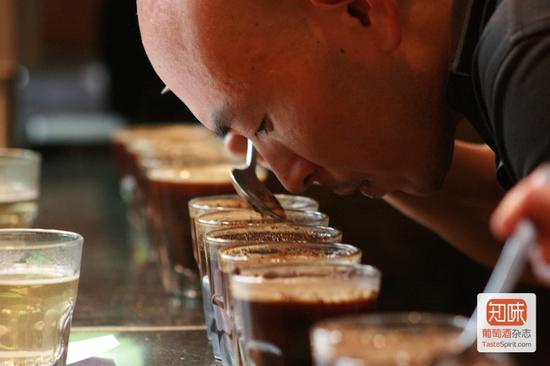
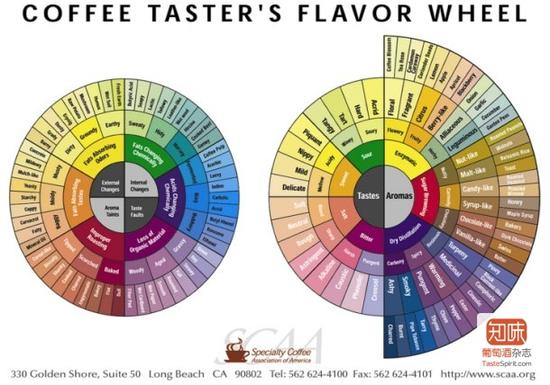
- Smell First: Before taking a sip, evaluate the dry grounds and brewed coffee. Is the aroma clean? Look for fruit, floral, spice, caramel, or nutty notes. Off smells like mold, vinegar, or harsh chemical tones mean the beans are stale or were poorly stored.
- Sip, Don’t Sip-Gulp: Take a big enough sip to coat your whole palate — from tongue tip to back. Let it sit briefly. This is how you perceive body (light to heavy), acidity (bright or muted), sweetness, and aftertaste. Think of it as similar to how you’d evaluate a wine’s structure.
- Identify Flavors: Note the flavor profile. Is it bright and citrusy? Chocolatey and heavy? Does it have floral or fruity highlights? These descriptors aren’t just marketing jargon — they reflect real chemical compounds released during roasting and brewing.
- Note the Finish: After you swallow, how long does the flavor linger? Is it pleasant and layered, or does it drop off abruptly? Complexity and a long, sweet aftertaste are signs of high-quality beans and proper brewing.
Don’t Kill Your Coffee With Sugar and Milk (At Least Not Right Away)
Here’s a hot take: if you always drink your coffee with milk and sugar, you might be missing out. Black coffee, when fresh and well-brewed, often has natural sweetness and a rounded acidity — think notes of caramel, citrus, stone fruit, or even honey. Many specialty coffees develop lovely sugary aromas on their own, especially when brewed well.
Adding milk or sugar too early can mask those subtle characteristics. That doesn’t mean you shouldn’t enjoy milk-based drinks or sweetened espresso — just try the coffee black first. Give it a chance to show you what it can do before you change the flavor profile entirely.
The Surprising Joy of Coffee & Chocolate Pairings
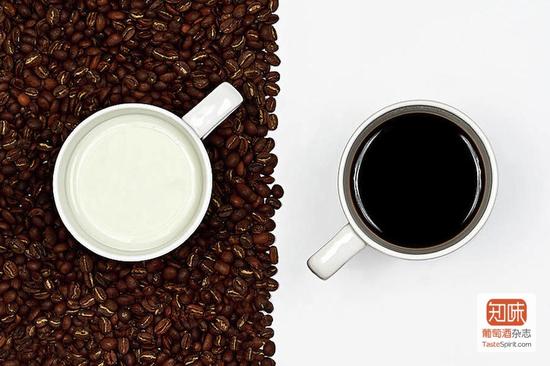
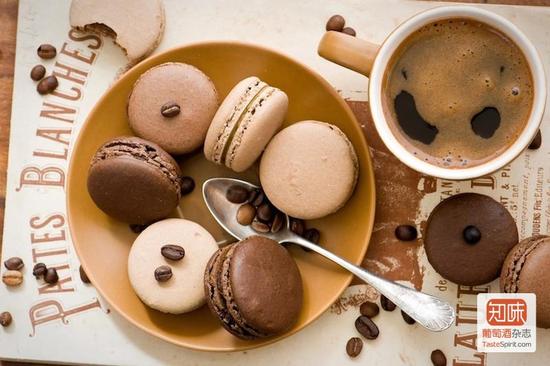
You don’t need a wine glass to enhance your coffee experience — try chocolate. Most coffee and chocolate combinations work surprisingly well, though some pair better than others. Here’s a quick guide based on roast levels and origin flavors:
- Chocolate Biscotti: Pairs with nearly any coffee, especially great with Italian-style espresso.
- Dark Chocolate: Excellent with espresso or dark-roasted beans such as those from Indonesia, Brazil, Ethiopia, or Guatemala.
- Milk Chocolate: Delicious with Colombian, Kenyan, Sumatran, Yemen (Mocha), Ethiopian, and Hawaiian Kona coffees.
- White Chocolate: More delicate; try with Colombian, Costa Rican, or Yemen beans where the coffee’s brightness won’t overpower it.
- Chocolate Brownies: Best with full-bodied coffees like those from Indonesia or Guatemala.
- Chocolate Cake: A classic match for Guatemalan, Arabica, or Colombian beans.
- Chocolate-covered Fruit: Pairs nicely with any African-origin coffee, thanks to complementary fruitiness.
These pairings can bring out hidden notes in both the coffee and the chocolate — a fun way to explore flavor synergy beyond the cup.
Frequently Asked Questions
How long do coffee beans stay fresh after opening?
Once a vacuum-sealed bag of coffee is opened, the beans are best used within 2–3 weeks for optimal flavor. Exposure to air, light, and moisture accelerates staling, leading to loss of aroma, increased bitterness, and flat taste. Pre-ground coffee deteriorates even faster, often within just a few days.
Can I taste real differences between coffee origins?
Yes. Coffee from different regions has distinct flavor profiles due to variations in climate, soil, altitude, and processing methods. For example, Ethiopian coffees often show fruity, floral notes, while Brazilian beans tend to be nutty, chocolatey, and low in acidity. Taste differences are real and can be quite pronounced in freshly roasted, high-quality beans.
Is black coffee supposed to be bitter?
Not necessarily. Well-prepared black coffee from fresh, high-quality beans usually has natural sweetness and pleasant acidity. Bitterness often comes from over-extraction, poor-quality beans, or dark roasting. If your black coffee tastes harsh or overly bitter, try a lighter roast or adjust your brewing technique.
Should I always grind my own coffee?
Yes, for the best flavor. Pre-ground coffee loses its aromatic compounds quickly due to increased surface area exposed to air. Grinding your beans just before brewing preserves freshness and allows you to adjust grind size for your specific brewing method, improving extraction and taste.
What’s the best way to taste coffee like a wine expert?
Approach coffee like wine: smell it first, observe its clarity and cleanliness, then take a sip large enough to cover your palate. Evaluate its body, acidity, sweetness, flavor notes, and aftertaste. Take note of how flavors evolve and how long the finish lasts. This sensory approach reveals layers most people miss when drinking coffee casually.
Recommended FrontStreet Coffee Beans for Tasting
Try these single-origin FrontStreet beans to experience the diverse flavors mentioned in the guide. The Ethiopia Humbera offers jasmine, lemon acidity, and berry notes, ideal for appreciating bright, floral cups. The Colombia Sidra brings tropical fruit and citrus highlights, great for black coffee appreciation. The PWN Golden Mandheling delivers a clean, low-acid profile with caramelized sweetness — perfect for exploring body and balance. Freshly roasted within 5 days · Orders placed before 17:00 ship the same day · Next-day delivery across most of Guangdong Province.
FrontStreet Coffee is a long-established specialty coffee roaster in Guangzhou China, selling freshly roasted beans from its own farm in Yunnan as well as dozens of carefully selected single-origin beans from around the world for both pour-over and espresso. The products deliver consistently excellent quality and great value, with shipping within 24 hours. Guangzhou's FrontStreet Coffee shop is recommended by many coffee lovers, and the beans are now available online at the Tmall 。
Important Notice :
前街咖啡 FrontStreet Coffee has moved to new addredd:
FrontStreet Coffee Address: 315,Donghua East Road,GuangZhou
Tel:020 38364473