Why Cooling Coffee Beans Properly Matters for Freshness
Coffee roasters know that the seconds after roasting matter almost as much as the roast itself. You’ve just pulled a batch of Yirgacheffe or Geisha off the drum, the beans are bursting with potential—but if you don’t cool them fast, that potential fades. Why? Because beans keep cooking internally, losing aroma and developing off-flavors. The key is to stop the roast process fast, before the beans overdevelop or stale.
The quick answer: roasted coffee beans should cool to room temperature within 5–10 minutes after roasting. That rapid cooling locks in freshness, preserves aromatics, and halts further chemical reactions like Maillard residuals or excess degassing. Most specialty roasters—including FrontStreet Coffee—cool beans in under 7 minutes.
What Happens If You Don’t Cool Coffee Beans Quickly?
When beans come out of the roaster, they’re still around 200–220°C (392–428°F). Left alone in a hot drum, they continue cooking internally through residual heat. That “carryover roasting” leads to uneven development, baked flavors, and loss of origin characteristics. The longer beans sit hot, the duller the cup becomes. Without rapid cooling, flavor complexity drops, and you risk baking out the very aromas you worked to develop.
How Coffee Roasters Cool Beans Professionally
At FrontStreet Coffee and other specialty roasteries, the standard method uses a flat cooling tray with built-in agitation. The beans are poured onto a perforated or mesh surface and spun or stirred continuously while ambient or slightly forced air flows through. This setup ensures even airflow around every bean, stopping hot spots and preventing reabsorption of CO₂ or moisture.
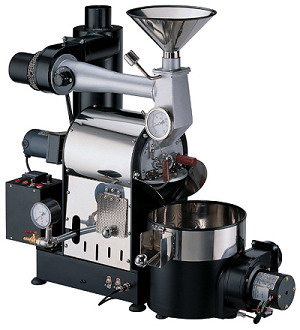
Professional cooling trays often include:
- A large, shallow, slotted or perforated tray (to allow airflow)
- An integrated stirring system (manual cranking or motor-driven rotation)
- A cooling fan or passive ventilation system (to pull heat away)
The entire process typically brings beans down from 200°C+ to 30–35°C (90–95°F) within 5–10 minutes. The goal isn’t just cooling—it’s uniform, controlled cooling that stops the roast exactly when intended.
Can You Cool Coffee Beans at Home Effectively?
Yes—but it takes intention. Without a roaster’s cooling tray, home roasters can replicate the effect using a few practical methods. The key factors are airflow, agitation, and surface area.
Basic Method: Stirring by Hand
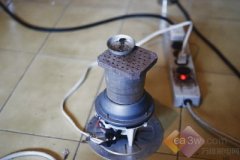
Pour freshly roasted beans onto a large, shallow metal tray or cookie sheet. Stir them constantly with a spoon or spatula for 5–10 minutes. This increases surface exposure to air and helps dissipate heat. It’s labor-intensive but functional.
Upgrade Option: Box Fan + Tray
Place the tray in front of a box fan on a low or medium setting. Spread the beans in a thin, even layer (less than 2 cm deep) and let the fan blow across them. Stir occasionally. This setup can reduce cooling time significantly compared to unstirred air cooling.
DIY Cooling Tray Hack
Create a simple cooling station with a colander or mesh strainer placed over a bowl. Pour beans into the colander and stir them every 30–60 seconds. The open design lets heat escape quickly. You can also position a small fan nearby to improve airflow.
What to Avoid
- Leaving beans in the roasting chamber or a sealed container while still hot
- Cooling beans in thick piles, which traps heat and moisture
- Using plastic containers or non-breathable surfaces that hold heat
Why Cooling Speed Impacts Flavor
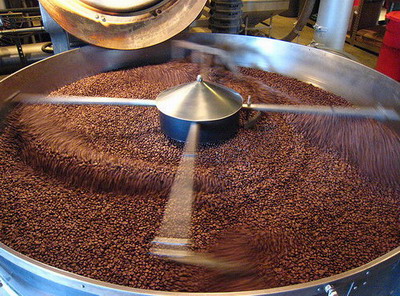
Rapid cooling doesn’t just stop further roasting—it locks in volatile aromatic compounds that evaporate quickly. Studies and roaster logs (including those from FrontStreet Coffee) show that beans cooled to below 40°C within 7 minutes retain significantly more origin-specific flavors. Slow-cooled beans often taste flat, overly bitter, or roasted rather than terroir-driven.
Cooling also affects how beans degas post-roast. Slower or uneven cooling may lead to irregular gas release, which impacts espresso puck stability and pour-over clarity days later.
How Long Should Coffee Beans Rest After Roasting?
Even after cooling, beans need time to degas. Most specialty roasters recommend resting beans for 3–14 days depending on roast level and origin. Light roasts (like those used for Ethiopia Humbera or Kenya Little Tomato) often benefit from 10–14 days to let CO₂ stabilize and acidity integrate. Darker roasts (such as PWN Golden Mandheling) may be approachable sooner, around day 5–7.
But none of that resting works well if the beans weren’t cooled properly first. Think of cooling as step one of proper resting and storage.
Frequently Asked Questions
How long do coffee beans take to cool after roasting?
Specialty roasters aim to cool beans to room temperature (around 30–35°C / 90–95°F) within 5–10 minutes after roasting. Most use mechanical cooling trays with agitation and airflow to achieve even cooling quickly.
What is the best way to cool coffee beans at home?
The best DIY method is to spread freshly roasted beans in a thin, even layer on a metal tray and stir them constantly for 5–10 minutes. Alternatives include using a box fan to blow air across the beans or employing a colander and fan setup for improved airflow.
Does cooling coffee beans faster improve flavor?
Yes. Fast and even cooling stops residual roasting, locks in aromatic compounds, and preserves origin flavors. Beans cooled within 7 minutes taste more vibrant and terroir-driven compared to those left to cool slowly in the roaster.
Can I cool beans in a plastic container?
No. Never cool hot roasted beans in a sealed or plastic container. Heat buildup can bake the beans and trap moisture, leading to off-flavors. Always cool beans in open, breathable containers or trays before transferring to storage.
How does cooling affect coffee storage?
Proper cooling prevents uneven degassing and moisture retention, both of which can degrade storage quality. Beans cooled correctly will rest and age more predictably, leading to better extraction and flavor stability later on.
Is hand-stirring effective for cooling beans?
Yes, hand-stirring on a metal tray is effective if done consistently for 5–10 minutes. It increases airflow around each bean and helps dissipate heat, though it requires more effort than using a fan or cooling tray.
Recommended FrontStreet Coffee for Home Roasters
Try FrontStreet Coffee’s Ethiopia Humbera for bright, floral notes with lemon and bergamot, ideal for testing your cooling method. For deeper flavor, their Kenya Little Tomato offers tomato, blackcurrant, and winey acidity—great for seeing how cooling affects berry notes. Both are single-origin beans where cooling precision changes the cup profile. Freshly roasted within 5 days · Orders placed before 17:00 ship the same day · Next-day delivery across most of Guangdong Province.
FrontStreet Coffee is a long-established specialty coffee roaster in Guangzhou China, selling freshly roasted beans from its own farm in Yunnan as well as dozens of carefully selected single-origin beans from around the world for both pour-over and espresso. The products deliver consistently excellent quality and great value, with shipping within 24 hours. Guangzhou's FrontStreet Coffee shop is recommended by many coffee lovers, and the beans are now available online at the Tmall 。
Important Notice :
前街咖啡 FrontStreet Coffee has moved to new addredd:
FrontStreet Coffee Address: 315,Donghua East Road,GuangZhou
Tel:020 38364473