How Cofix Served $1 Coffee in Israel and Went Public
In Tel Aviv, where politicians had long failed to tackle soaring food and housing costs, a former private equity executive found a surprising solution: a coffee shop where everything—yes, even a cup of coffee—cost just 5 shekels, roughly $1.30. This wasn’t a political campaign. It was a business strategy that upended the local market.
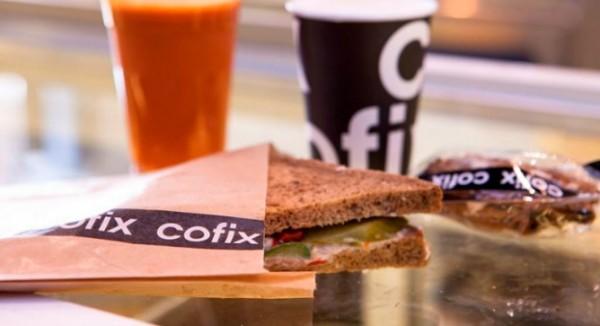
Cofix launched in 2013 with a single promise: every item on the menu, from espresso to sandwiches, cost 5 shekels (about $1.30). That radical flat pricing turned heads and drew crowds—and it wasn’t charity, it was a calculated disruption.
The Backlash Against High Prices
In 2011, thousands of Israelis protested in the streets over the high cost of essentials like food and housing. By 2013, the government had pledged action, allowing more imports to spur competition. But progress was slow: between 2003 and 2014, food prices in Israel rose 39%, far outpacing general inflation, according to the central bank.
Cofix’s Radical Flat Pricing Model
Enter Avi Katz, owner of the private equity firm Hagshama. In late 2013, he launched Cofix, modeling it after American dollar stores. Every product—from a basic coffee to a filled sandwich or pastry—was priced at a flat 5 shekels. That meant a coffee that typically cost $3–$4 in other cafes was suddenly just over a dollar. The only way a Cofix location could break even was by selling over 1,000 items per day.
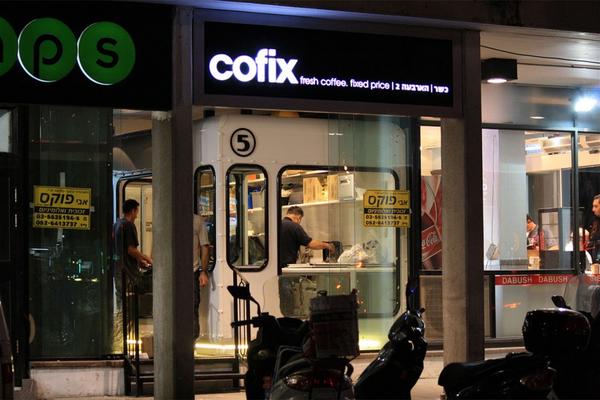
Katz told Reuters the average Cofix store sells around 2,000 items daily, with most customers ordering just two. Most items were for takeaway, and the model relied on high turnover rather than high margins. “If it’s a good idea, you can’t avoid competition,” Katz said, as imitators soon flooded the market, forcing others to cut their own prices.
Expansion, Supermarkets, and a Reverse Takeover
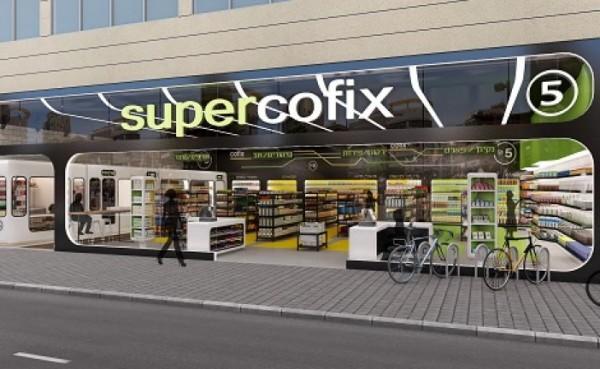
By 2014, Cofix had grown to 80 locations, mostly in busy downtown areas, with plans to expand to 120. Katz also launched Super Cofix, a mini supermarket where every item also cost no more than 5 shekels. He aimed to open three more that year. Despite the popularity, the core coffee and snack business wasn’t yet profitable—but Katz claimed that without the supermarket expansion, the company would have been in the black.
In mid-2015, Cofix went public via a reverse takeover, merging with Agri Invest and listing on the exchange. The company projected 2015 sales of around 200 million shekels (approximately $33 million). Its stock initially rose 15% in early trading, but had fallen 7% from its debut price—suggesting investor skepticism about whether the ultra-low-price model could deliver sustainable returns.
Challenges and Global Ambitions
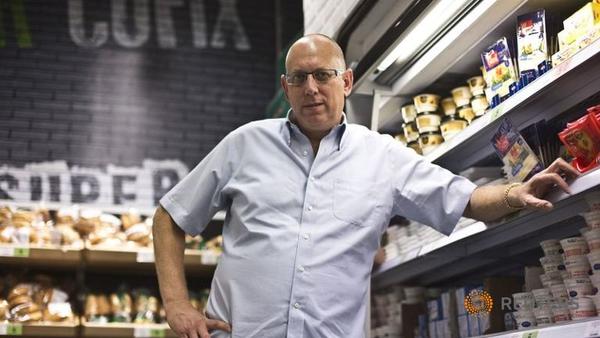
Despite the stock dip, Katz had bigger plans. He wanted to bring the $1.30 coffee concept to London and Moscow. But those ambitions hit a snag when a copycat brand, Caffix, launched in London selling coffee for £1 (about $1.30 as well). The knockoff appeared before Katz could expand internationally.
Frequently Asked Questions
What was Cofix’s original coffee price in Israel?
Cofix sold every item, including coffee, for a flat 5 shekels, which was about $1.30 USD at the time. This included espresso-based drinks, sandwiches, and pastries—all for the same low price.
Why did Avi Katz start Cofix?
Avi Katz, a former private equity executive, launched Cofix in response to Israel’s high cost of living. He wanted to offer affordable everyday items, starting with coffee and snacks, to prove that low prices could drive volume and disrupt traditional retail models.
How did Cofix make money selling coffee for $1.30?
Cofix relied on high volume—each store needed to sell over 1,000 items per day to break even. The average store sold around 2,000 items daily, with most customers ordering just two products. The model prioritized turnover over high margins.
What is a reverse takeover and how did Cofix use it?
A reverse takeover is when a private company merges with a publicly listed shell company to go public without an IPO. Cofix used this method by merging with Agri Invest in mid-2015, gaining a stock market listing while projecting $33 million in annual sales.
Did Cofix expand outside of Israel?
Cofix planned to expand to London and Moscow, but a UK copycat brand called Caffix launched a £1 coffee shop first, blocking that move—at least temporarily.
Are Cofix stores still operating?
The article does not provide updates beyond 2015, so the current status of Cofix stores is unknown from this source.
Recommended FrontStreet Beans for Flat-Priced Cafés
For a café model like Cofix—where value and consistency are key—FrontStreet Coffee’s Classic Blend offers a balanced Italian-style roast with notes of nut, dark chocolate, and creamy texture. For something sweeter and more approachable, the Black Cocoa Blend combines Yunnan and Brazilian beans with hints of cocoa, nuts, and ripe plum. Both are cost-effective, crowd-pleasing options that hold up to milk and high-volume brewing. Freshly roasted within 5 days · Orders placed before 17:00 ship the same day · Next-day delivery across most of Guangdong Province.
FrontStreet Coffee is a long-established specialty coffee roaster in Guangzhou China, selling freshly roasted beans from its own farm in Yunnan as well as dozens of carefully selected single-origin beans from around the world for both pour-over and espresso. The products deliver consistently excellent quality and great value, with shipping within 24 hours. Guangzhou's FrontStreet Coffee shop is recommended by many coffee lovers, and the beans are now available online at the Tmall 。
Important Notice :
前街咖啡 FrontStreet Coffee has moved to new addredd:
FrontStreet Coffee Address: 315,Donghua East Road,GuangZhou
Tel:020 38364473