Kunming’s Coffee Boom Leaves Many Cafés Unprofitable
In Kunming, the coffee scene is booming—but not in the way many shop owners hoped. With new cafés opening weekly in shopping malls, on street corners, and in quiet neighborhoods, the city now teems with options. Yet behind the aesthetic facades, latte art, and carefully curated playlists lies a harsh reality: most of these cafés aren’t making money.
Nearly 70% of cafés in China—including those in Kunming—are either unprofitable or losing money, with just 30% turning a sustainable profit, according to the provincial coffee industry association.
International Brands Flood Kunming’s Commercial Hubs
Kunming’s coffee boom began in earnest in 2011, when Starbucks set a local record for the longest queue with its first store in Shuncheng Shopping Mall. Since then, the city’s retail coffee landscape has expanded rapidly. Today, there are 14 Starbucks outlets in Kunming, with plans to open another in the Dianchi Lake resort area by year’s end. Indonesia’s Kopi Luwak (Cat Poop Coffee) brand arrived in 2013 and now operates two stores, with three more planned within three years. Korean brands have also surged: Coffee Bene debuted in 2012 and now has five locations, while ZOO COFFEE opened its first flagship in Nanya Style·First City in late 2022 and added a second in June 2023, with a third scheduled for August in Shuncheng. Other Korean players like Manabeans and Ediya Coffee have also entered the market.
"There’s huge market potential here," said a staffer from the Yunnan Coffee Industry Association. "China’s overall coffee shop retail market hit 53.84 billion yuan in 2012, with chains alone accounting for over 14.7 billion yuan. Starbucks, which drives half the sector, reported a 16% rise in Q2 net profit to $495 million. After focusing on Tier 1 cities, global chains are now eyeing smaller cities like Kunming. Yunnan, as China’s top coffee bean producer and a tourism hotspot, offers both supply-chain familiarity and a steady stream of visitors."
Independent Cafés Proliferate in Alleys and Neighborhoods
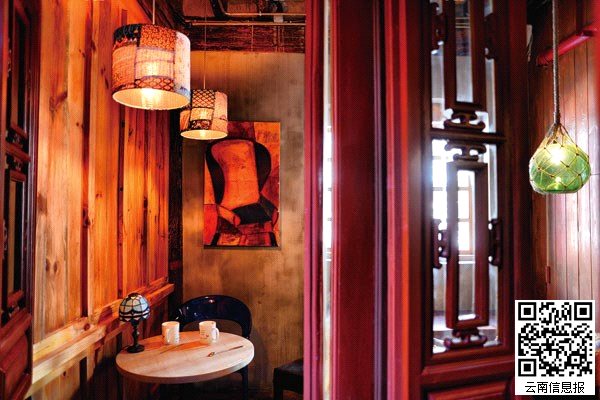
Beyond the chains, Kunming’s streets are dotted with indie cafés driven by personal vision. Search “coffee shop” on Baidu Maps, and pins cluster in commercial districts like Wenhua Street and Jindingyuan, as well as lesser-known corners. Notable spots include Salvador Coffee, Prague Café, Guangzong No. 3, and Shuijing Coffee. Themed cafés like Sky City in Tongde Plaza, Peanut Bookstore, and Cat Bar also serve coffee alongside their main concepts. Even Yunnan’s state-backed coffee factory is exploring a campus-based crowdfunding model to launch a student-focused, incubator-style café chain.
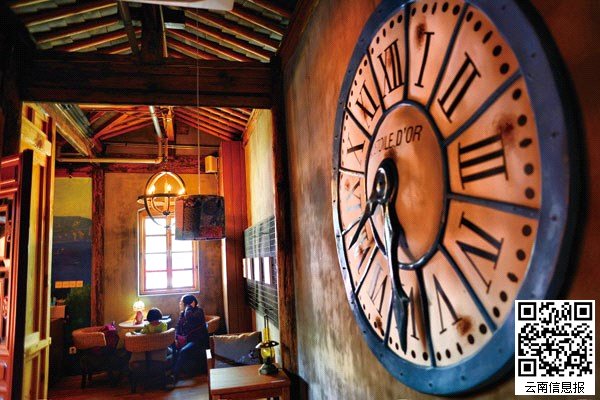
These small, often 100-square-meter venues favor cozy, literary décor—with book corners, soft lighting, and side menus offering desserts, juices, teas, and light meals. Many are run by young entrepreneurs drawn to the lifestyle and perceived market growth. "Most owners have a passion for leisure and see opportunity," said Zhang Ni, manager of Sky City. "The coffee shop scene here still leans recreational, but it’s evolving toward daily necessity, like in the West. Eventually, cafés will function as multi-sensory spaces—meeting emotional and community needs, not just serving drinks."
Most Cafés Struggle to Stay Afloat
Despite the enthusiasm, profitability remains elusive for both chains and indies. Industry data shows that while China’s coffee shop count ballooned from 20,000 in 2008 to over 100,000 today, 30% lose money, 40% operate at a loss, and only 30% are profitable. Coffee Bene’s Nanya branch reported monthly revenue dropping from 200,000 yuan to around 150,000 yuan in the past year due to rising competition. Starbucks, buoyed by early brand loyalty and urban consumer education, has fared better—but newer Korean entrants expand too fast to build customer bases, straining finances. "High-end Korean brands symbolize trendiness, attracting many franchisees. But headquarters profit more from licensing than operations, fueling rapid expansion," noted Hu Lu, deputy secretary-general of the coffee association.
For independents, the biggest hurdle is cost. A shop owner at Shuijing Coffee explained that prime locations come with steep rents: "A few years ago, larger cafés averaged over 10,000 yuan daily; smaller ones took 2,000–5,000 yuan. Now, off-peak days barely hit 3,000 yuan, with monthly totals just a few tens of thousands. Rents keep rising." Annual fixed costs—rent, staffing—for a 100-square-meter shop can reach 300,000 yuan. Meanwhile, a high-quality cup of coffee costs roughly 5 yuan in ingredients but sells for 25 yuan. Without strong volume, survival is tough. "Several indie cafés in Nanya have already closed due to cost pressures," the owner added.
Frequently Asked Questions
Why are so many cafés in Kunming struggling to make money?
Most cafés—both international chains and independent shops—face high rents, intense competition, and slow customer acquisition. While the market is growing, many new entrants expand too quickly without establishing a loyal customer base, leading to unsustainable costs. Industry data shows only 30% of China’s 100,000+ coffee shops are profitable, with 40% operating at a loss.
Which international coffee brands are expanding fastest in Kunming?
Starbucks leads with 14 stores (plus one planned), followed by Korean brands like Coffee Bene (5 stores, 1 more planned), ZOO COFFEE (2 stores, 1 more planned for August), and Manabeans. Indonesian brand Kopi Luwak has 2 stores and aims for 3 more in three years. These chains often target high-traffic mall locations.
What’s the typical cost structure for a small coffee shop in Kunming?
A 100-square-meter café in Kunming incurs annual fixed costs (rent, salaries) of around 300,000 yuan. A single high-quality coffee costs approximately 5 yuan to make but sells for 25 yuan. Without selling enough cups daily, these shops can’t cover expenses.
Are independent coffee shops in Kunming more likely to fail than chains?
Both face challenges, but independents often struggle more due to higher relative rent burdens and lack of brand recognition. Chains benefit from established customer bases and financial backing, though rapid expansion without customer loyalty can also hurt profitability.
What’s the long-term outlook for Kunming’s coffee market?
The market is expected to grow as coffee consumption shifts from a luxury/recreational habit to a daily lifestyle choice, similar to Western markets. However, short-term saturation and cost pressures mean many current shops may close before the market matures.
Recommended FrontStreet Beans for Café Use
For Kunming’s competitive café scene, FrontStreet Coffee’s Ethiopia Humbera offers vibrant floral and citrus notes with a juicy body—ideal for pour-overs that highlight specialty quality. The Yirgacheffe delivers bright berry and stone fruit tones, perfect for attracting customers seeking distinct single origins. Both beans roast to a medium profile, balancing clarity and sweetness to appeal to both new and experienced coffee drinkers. Freshly roasted within 5 days · Orders placed before 17:00 ship the same day · Next-day delivery across most of Guangdong Province.
FrontStreet Coffee is a long-established specialty coffee roaster in Guangzhou China, selling freshly roasted beans from its own farm in Yunnan as well as dozens of carefully selected single-origin beans from around the world for both pour-over and espresso. The products deliver consistently excellent quality and great value, with shipping within 24 hours. Guangzhou's FrontStreet Coffee shop is recommended by many coffee lovers, and the beans are now available online at the Tmall 。
Important Notice :
前街咖啡 FrontStreet Coffee has moved to new addredd:
FrontStreet Coffee Address: 315,Donghua East Road,GuangZhou
Tel:020 38364473