Franchise vs Independent Coffee Shop: Which Is More Profitable?
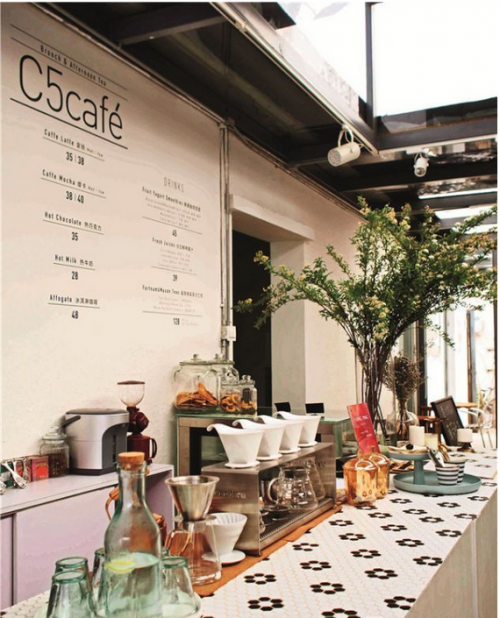
Imagine it: soft jazz, a vintage brass fan, a plush armchair, and a richly aromatic cup of coffee under dim lighting. For many young, design-savvy entrepreneurs, opening a café like this feels like the ultimate lifestyle business. But before you get lost in the aesthetic, there’s a critical choice to make: should you join a coffee franchise or build your own independent brand?
The short answer? Franchising typically requires around $30,000 upfront and offers support, but limits your control. Going independent cuts initial costs by roughly 40% to about $19,000, gives you full menu and design freedom, but demands more effort to build a customer base from scratch.
Franchise Coffee Shops: Lower Risk, Less Freedom
For many first-time café owners, franchising is the simplest path. The brand handles design, operations manuals, and supply chains—so you mainly need to secure a location and hire staff. Most franchise packages include brand usage rights, training, and equipment, but not always the build-out. That’s often the biggest hidden cost.
Expect to pay a brand fee (tied to store size and brand recognition), a security deposit, and annual management fees. For a 50–100㎡ shop, total initial investment usually falls around $27,800–$30,000. That includes roughly $12,800 for the franchise license, $1,000 annual management fee (waived the first year), $1,000 deposit, $10,000 for equipment and ingredients (though some new brands may offer free setups), $5,000 for rent and deposit, and $8,000 for interior design.
Franchise coffee shops can be profitable: one operator reported gross margins around 60% excluding rent, or 40% including it. A typical cup might cost $4.50 to make and sell for $15, with cakes at a similar margin. But while the model is turnkey, it comes with constraints.
Independent Coffee Shops: Higher Upfront Cost Control, More Risk
Going solo means building your brand from the ground up—but with more flexibility and usually lower startup costs. For a 50–100㎡ space, total investment is around $19,000, nearly 40% less than the franchise average. This includes about $5,000 for espresso machine and ingredients, $10,000 for rent, deposit, and fit-out, and roughly $9,000 for interior design. There’s no ongoing brand license fee either.
Independent cafés can craft their own menus, tailor interiors to local tastes, and develop a unique identity. Take AURORA in Guangzhou’s Construction Sixth Road, which focuses on authentic Italian espresso using manual machines. Owner Romeo emphasizes quality over atmosphere: “We’re not competing with Starbucks. We focus on the coffee itself.”
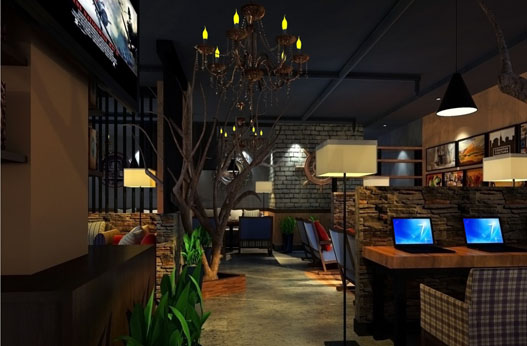
But independence isn’t easy. You’ll need to build your customer base without national marketing muscle, and menu or location missteps can extend your break-even timeline. Market research is mostly intuitive, and without a proven system, the early months or even years demand resilience.
Franchise vs Independent Coffee Shop: Cost Breakdown
| Expense Item | Franchise Model | Independent Model |
|---|---|---|
| Brand Authorization Fee | $12,800 | $0 |
| Brand Management Fee | $1,000/year (first year free) | $0 |
| Brand Deposit | $1,000 | $0 |
| Equipment & Ingredients | Often included or subsidized | ~$5,000 |
| Rent & Deposit | ~$5,000 | ~$5,000 |
| Interior Design & Fit-Out | ~$8,000 | ~$9,000 |
| Total Estimated Cost | ~$27,800 | ~$19,000 |
Coffee Shop Operation Tips
1. Choose Your Coffee Beans Wisely
Coffee beans vary in acidity, bitterness, and aroma, and are usually sold as blends. Select beans based on your local customers’ taste preferences and your shop’s volume to avoid overstocking.
2. Match Your Coffee Machine to Your Concept
For a casual shop selling coffee around $10, an automatic machine saves training time. For a specialty shop, a semi-automatic or manual machine allows barista-driven quality—but requires skilled staff and tighter quality control. Training a barista to pull a proper espresso can take about three weeks. Imported machines for a 50–100㎡ shop range from $2,000–$4,000; domestic options are $6,000–$10,000. Don’t forget an ice machine and blender.

3. Water and Cups Matter
Use filtered or soft water to avoid extracting unwanted bitterness or astringency from coffee. Hard water (like tap or mineral water) can ruin flavor. Install a water filter or softener. Also, cup shape affects aroma: a half-oval “egg-like” cup (as preferred by Italian baristas) helps coffee oils rise and directs aroma toward the nose.
4. Plan Beyond Coffee
Most cafés don’t just sell coffee—they offer cakes, ice cream, tea, sandwiches, and more. If you go independent, you’ll need to decide whether to make desserts in-house or source them. Menu planning is key to balancing revenue and operational complexity.
Frequently Asked Questions
How much does it cost to open a franchise coffee shop?
Opening a typical 50–100㎡ franchise coffee shop usually costs around $27,800–$30,000. This includes the brand authorization fee (around $12,800), a $1,000 deposit, $1,000 annual management fee (waived the first year), $10,000 for rent and deposit, $8,000 for design, and roughly $5,000–$10,000 for equipment and ingredients (some new brands may offer subsidies or free packages).
How much does an independent coffee shop cost to start?

An independent coffee shop of the same size typically costs about $19,000. This covers around $5,000 for a coffee machine and ingredients, $10,000 for rent, deposit, and fit-out, and $9,000 for interior design. There’s no brand fee or management cost, which reduces the initial investment by roughly 40% compared to franchising.
What are the risks of joining a coffee franchise?
Franchise models limit your menu, design, and operational flexibility. You must follow the brand’s guidelines on ingredients, decor, and sometimes even staffing. Margins are decent (40–60%), but rising rental and supply costs can squeeze profits. Also, the upfront investment is high, often $28,000+, with most of it non-refundable.
What are the challenges of running an independent coffee shop?
You’ll face a longer “brand-building” period with no national advertising support. Menu design, customer targeting, and location choice rely heavily on your own market sense. Without a proven system, it may take longer to reach profitability, and operational mistakes can be costly.
Do I need a semi-automatic or manual coffee machine for specialty coffee?
Yes, if you’re aiming for specialty-level coffee, a semi-automatic or manual machine is recommended. These allow precise control over grind size, dose, tamp, and extraction—key for highlighting coffee quality. Training baristas on these machines takes time (around three weeks for a solid espresso pull), but they allow for a more distinctive cup profile.
What kind of water should I use for brewing coffee?
Always use soft or filtered water. Hard water (like tap water or mineral water) contains minerals that can over-extract bitter compounds and mute coffee aroma. Install a water filter, carbon filter, or softener to ensure clean, balanced brewing water.
Recommended FrontStreet Coffee Beans for Café Startups
For your new coffee shop, consider FrontStreet Coffee’s Ethiopia Yirgacheffe for bright floral and citrus notes, perfect for pour-overs and single-origin highlights. Pair it with FrontStreet’s Guatemala Antigua for a balanced medium roast with chocolate and caramel undertones—great for espresso blends. If you want a crowd-pleasing dark roast, try FrontStreet’s Classic Blend, offering nutty and chocolatey tones with smooth mouthfeel. All three work well for both filter and espresso prep. Freshly roasted within 5 days · Orders placed before 17:00 ship the same day · Next-day delivery across most of Guangdong Province.
FrontStreet Coffee is a long-established specialty coffee roaster in Guangzhou China, selling freshly roasted beans from its own farm in Yunnan as well as dozens of carefully selected single-origin beans from around the world for both pour-over and espresso. The products deliver consistently excellent quality and great value, with shipping within 24 hours. Guangzhou's FrontStreet Coffee shop is recommended by many coffee lovers, and the beans are now available online at the Tmall 。
Important Notice :
前街咖啡 FrontStreet Coffee has moved to new addredd:
FrontStreet Coffee Address: 315,Donghua East Road,GuangZhou
Tel:020 38364473