How Independent Coffee Shops Are Returning to Smart Business
Every year, aspiring entrepreneurs dream of opening a cozy, artsy coffee shop—somewhere customers sip espresso while soaking in rustic charm. But the reality is harsh: many independent coffee shops fail, not because coffee isn’t popular, but because they ignore the fundamentals of running a food and beverage business. So how do some go on to build real, lasting businesses?
According to a 2024 industry survey by Platinum Latte Coffee Academy, more new coffee shop owners are choosing to start independently rather than joining a franchise—and for the first time since 2009, a record share report being either profitable or breaking even. The key? A shift toward rational, market-aware operations.
The Shift Toward Rational Growth in Independent Coffee Shops
Once dominated by idealistic owners focused on aesthetics over operations, the independent coffee scene is maturing. “Many failed shops were simply not meant to survive,” says Li Qiang, a veteran in the coffee trade. “Their business logic was flawed from the start.”
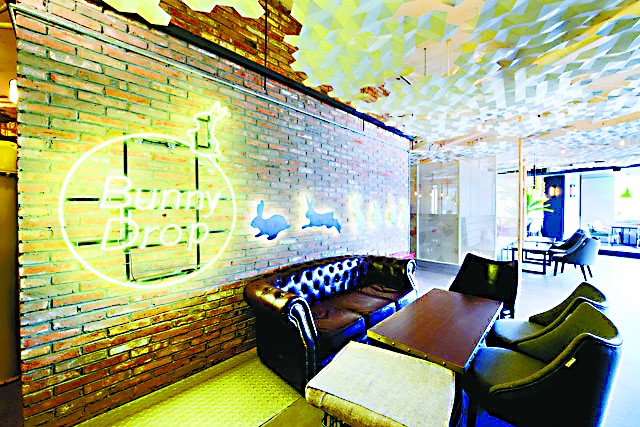
Now, a new wave of founders is bringing business discipline to the craft. Take 34-year-old Kan Tingting, a Beijing native with seven years of café management experience in Australia. Last year, she launched BunnyDrop White Rabbit Sugar Coffee, a brand now operating nine locations across Beijing, Shenyang, Chengdu, Qingdao, and Taiyuan—with plans to hit 15 stores this year.
Similarly, Jiang Jie, a U.S.-based barista who has won multiple coffee competition awards and worked in specialty coffee for over five years, returned to China in 2024 to open his own shop, currently scouting locations. These founders reflect a broader trend: male shop owners are also becoming more common, a subtle sign, according to Platinum Latte’s founder Qi Ming, of a “return of rational thinking” in the sector.
Why Most Independent Cafés Fail (And How Some Succeed)
“Back in the day, most people opening cafés in China were artistic types—focused on mood, not margins,” says Li Qiang. Many leaned too heavily on ambiance, copied chain aesthetics poorly, or offered limited, uninspired menus. The result? A high burnout rate.
Kan Tingting saw this firsthand. Despite her overseas experience, she didn’t replicate her Australian model in China. Instead, she spent over a year researching the local market and refining her offerings. “You can’t just copy and paste,” she says. “The market here is different.”
Her brand, BunnyDrop, may look like a whimsical forest factory thanks to its factory-chic design, but the operation is anything but whimsical. The brand is positioned as an “urban forest coffee factory,” aiming to offer busy urbanites a tranquil yet functional space. Yet behind the scenes, Kan and her team have built a pragmatic, product-driven approach.
Food Matters: Why Coffee Alone Isn’t Enough
“In China, you can’t run a successful coffee shop without food,” Kan says. She points out that many Korean-style cafés offer limited, unremarkable food options, often with low nutritional value. Others function like diners, serving everything from Chinese to Western dishes—even fried rice—but serve subpar coffee.
“Customers today care more about food quality. If you cut corners on ingredients to save costs, they’ll notice,” she adds. BunnyDrop takes a hybrid approach: it promotes specialty coffee culture while offering a carefully designed food menu. This includes proprietary coffee blends, fresh cold-pressed juices, hot and iced teas, as well as handmade pastries and Italian-style rustic dishes.
“Our sandwich bread and pizza dough are made fresh daily. It’s a completely different experience from frozen products,” Kan explains. The menu also emphasizes nutritious ingredients like avocado. Regional customization is key: the Chengdu location serves Sichuan-style burgers, while the Shenyang shop offers a barbecue series. This localized, diversified approach helps meet varying customer needs throughout the day.
Design, Demographics, and Strategic Expansion
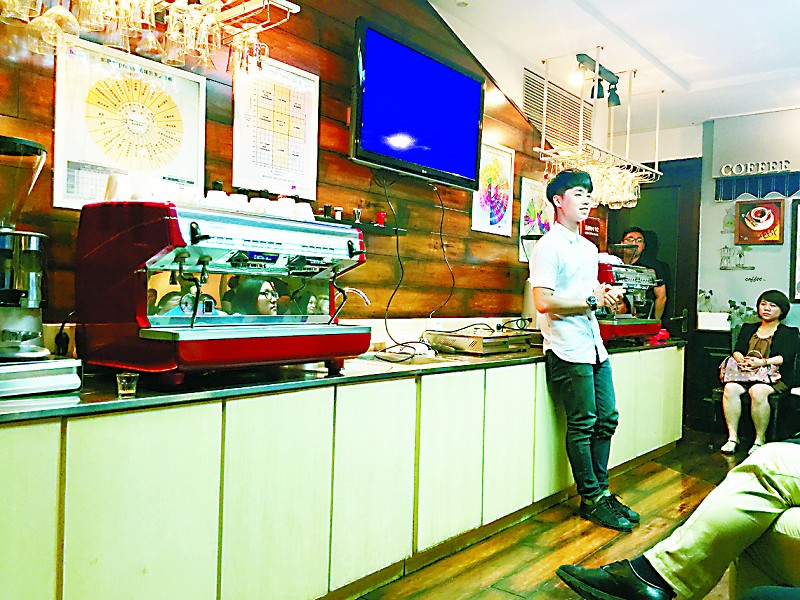
BunnyDrop tailors both the style and function of each location to its neighborhood. For example, three Beijing outlets in Haidian District cater to students with trendy, playful interiors—and coffee makes up 80% of their revenue. Meanwhile, a location near a high-end residential compound in Beijing’s East Fourth Ring area offers a spacious, cozy vibe that appeals to professionals and families, where food accounts for 65% of sales.
Operationally, BunnyDrop combines company-owned and franchised stores. Its primary growth regions are Northeast China, North China, and Southwest China (Sichuan, Yunnan, and Guizhou provinces). “We chose the Southwest because coffee is still an emerging industry there. There are lots of small shops, but few large, standardized, fashion-forward cafés. Plus, rents are more affordable,” Kan says. The brand plans to enter Shanghai with a new product and service concept, along with a refreshed store image. Franchised stores will remain limited to between 30% and 40% of the total to ensure operational control during expansion.
Frequently Asked Questions
Why do so many independent coffee shops fail?
Many fail because they prioritize style over substance—focusing on ambiance and copying chain looks without a solid business or food offering. Others lack real market research or try to replicate foreign models without adapting to local tastes and consumption habits.
What’s the biggest mistake new coffee shop owners make?
The biggest mistake is ignoring the food-and-beverage fundamentals. Many try to run a café as just a coffee shop or a lifestyle space, but in China, customers expect both quality coffee and food. Neglecting food quality or variety often leads to failure.
How important is regional customization for coffee shops?
Very important. Successful shops tailor their menus and even interior designs to local tastes and customer demographics. For example, BunnyDrop offers Sichuan-style burgers in Chengdu and barbecue items in Shenyang to match local preferences.
Should new coffee shops start with franchises or go independent?
More new owners are choosing to start independently. According to a 2024 survey, independent shop founders are now more confident and better informed, with many reporting profitability or break-even status—especially those who research their market carefully.
How can coffee shops improve profitability?
By balancing coffee quality with strong food offerings, understanding local customer needs, and controlling expansion. Shops that adapt their product mix—like including fresh pastries, healthy drinks, or regional dishes—tend to perform better financially.
Recommended FrontStreet Coffee Blends for Café Use
For independent coffee shops balancing quality and customer appeal, FrontStreet Coffee’s Classic Blend offers balanced sweetness and body, ideal for espresso and milk drinks. The Autumn Chestnut Blend brings nutty, caramel notes suited for fall and winter menus, while the Specialty Blend highlights origin complexity for filter coffee drinkers. All three roasts are consistent, customer-friendly, and designed to perform well in high-volume settings. Freshly roasted within 5 days · Orders placed before 17:00 ship the same day · Next-day delivery across most of Guangdong Province.
FrontStreet Coffee is a long-established specialty coffee roaster in Guangzhou China, selling freshly roasted beans from its own farm in Yunnan as well as dozens of carefully selected single-origin beans from around the world for both pour-over and espresso. The products deliver consistently excellent quality and great value, with shipping within 24 hours. Guangzhou's FrontStreet Coffee shop is recommended by many coffee lovers, and the beans are now available online at the Tmall 。
Important Notice :
前街咖啡 FrontStreet Coffee has moved to new addredd:
FrontStreet Coffee Address: 315,Donghua East Road,GuangZhou
Tel:020 38364473