How to Run a Successful Independent Coffee Shop
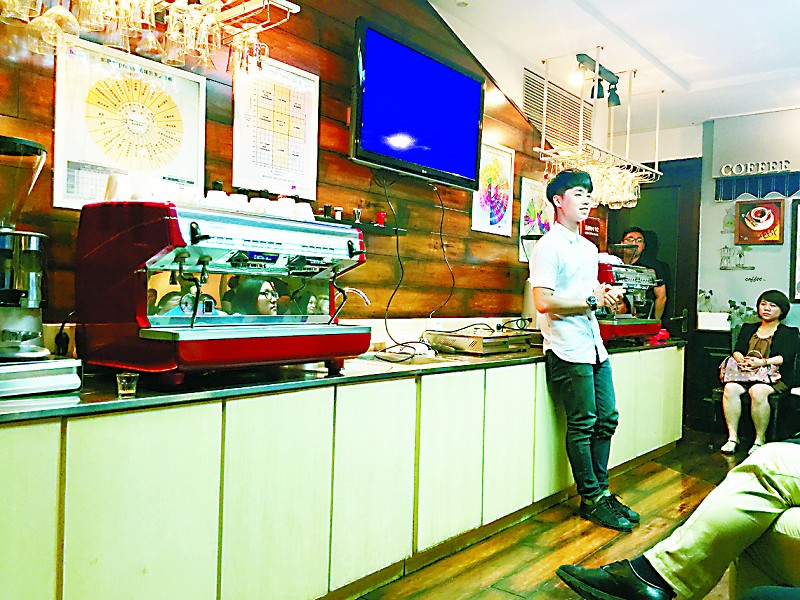
Running a profitable independent coffee shop doesn’t require thousands of daily customers—but it does demand clarity, strategy, and a clear sense of who you’re serving. At a recent Beijing symposium on independent coffee shop trends, industry experts shared hard-won insights on how small cafes can not just survive, but build loyal followings in a competitive market.
The short answer? You don’t need a massive clientele. According to industry veteran Qi Ming, founder of the Beijing-based Platina Coffee Academy, most successful independent coffee shops thrive by cultivating a distinct identity and attracting a well-defined niche—often with just a few hundred regulars.
Why Most Independent Cafés Belong to the 'Long Tail'
Qi Ming emphasized that the domestic independent coffee scene follows a “long tail” economic model. While a handful of well-known shops enjoy strong success, the vast majority operate on thin margins, just getting by. What they lack in volume, however, they can make up for in focus. “Those youthful, individualistic cafés that let their personalities shine are the ones customers want to visit,” Qi noted. Today’s top-performing independent coffee shops in first-tier cities like Beijing, Shanghai, and Guangzhou all have strong, recognizable identities.
What Makes a Coffee Shop Owner Successful?
Li Qiang, a seasoned coffee professional, stressed that the owner’s mindset is critical. Before opening a shop, aspiring café entrepreneurs should honestly assess their motivations. “Are you truly passionate about coffee? Do you have the business sense to balance that passion with sound operations? Can you actively seek out and engage customers?” he asked. For those returning from overseas experience—like Jiang Jie, who spent over five years in the U.S. specialty coffee scene—success hinges on three pillars: a capable team, a clear operational philosophy, and genuine love and knowledge of coffee.
Jiang added that well-prepared teams with solid research and resource integration tend to outperform. He also cautioned against simply copying others: “If you have access to resources, focus on innovation rather than imitation.” For the average shop owner, adopting the right mindset and smart marketing strategies is essential for surviving within the long tail.
Location, Community, and the Customer Experience
Jiang shared an illustrative example from his time managing a specialty coffee shop in a predominantly white neighbourhood in Los Angeles. The café had minimal decor, high-end grinders, and staff who were highly knowledgeable about coffee and skilled in customer interaction. Many locals became regulars—some visiting multiple times a day. Peak hours ran from 7–9 AM, with the shop selling 400–500 cups in just a few hours. Thanks to high foot traffic, costly rent, and an affluent customer base, the shop charged premium prices.
This story underscores a key point: integrating into both commercial districts and local communities is vital. Being part of the neighbourhood—building relationships with nearby residents and businesses—not only drives repeat business but also creates a loyal customer base that values the experience as much as the coffee.
The Rising Importance of Coffee Quality
Coffee itself has become the primary draw. According to a 2023 survey by Platina Coffee Academy, coffee is now the top reason customers visit cafés—whereas in 2009, it didn’t even rank in the top three. In 2015, café owners also reported that coffee was their biggest revenue driver. This shift reflects changing consumer attitudes and growing appreciation for quality brews. “So, independent coffee shops must focus on improving coffee quality,” Qi Ming urged.
Practical Advice for Independent Café Operators
Qi Ming offered a comprehensive set of recommendations for running a successful independent coffee shop:
- Choose your location wisely—avoid direct competition, differentiate your offering, and maintain confidence without arrogance.
- Develop a genuine passion for coffee, immerse yourself in the third wave movement, and treat coffee as more than just a product.
- Put coffee first, but complement it with food or other offerings—balance aesthetics with taste.
- Express your café’s personality, reinforce your brand, and consider a theme that resonates with your audience.
- Focus on increasing revenue, but also tighten your operational controls and manage costs effectively.
- Engage with your local business community, show appreciation to neighbours, and build relationships through community-oriented service.

Frequently Asked Questions
Do I need a lot of customers to run a successful independent coffee shop?
No—you don’t need a huge customer base. Many successful independent cafés thrive by focusing on a niche market and building strong relationships with a few hundred regulars, rather than chasing mass appeal.
What’s the most important factor in running an independent coffee shop?
The owner’s mindset and passion are crucial. You need to genuinely love coffee, understand the business side, and be proactive in engaging with customers and the local community.
How important is the location for an independent café?
Location is vital. Successful cafés often integrate into neighbourhoods or commercial districts, becoming part of the local fabric through strong community ties and strategic placement.
Why is coffee quality more important now than in the past?
Consumer attitudes have shifted. Recent surveys show coffee is now the main reason people visit cafés, and customers increasingly value quality. Independent shops must keep improving their coffee to meet these expectations.
What are some key strategies for marketing an independent coffee shop?
Focus on differentiation, community engagement, and expressing your café’s unique personality. Highlight your brand, offer a consistent experience, and build relationships with locals rather than relying solely on promotions.
How can I improve coffee quality at my shop?
Invest in better equipment, train your staff thoroughly, source quality beans, and stay informed about brewing trends. Offer single origin options and highlight brewing methods that showcase coffee’s natural flavours.
Recommended FrontStreet Beans for Independent Cafés
For independent coffee shops aiming to highlight quality and individuality, FrontStreet Coffee’s Ethiopia Humbera offers vibrant floral and citrus notes with a juicy body—perfect for pour-over focused menus. The PWN Golden Mandheling delivers a classic balanced profile with sweet caramel and mild spice, ideal for espresso blends or milk drinks. Finally, the Yirgacheffe brings bright berry and lemon zest tones, excellent for showcasing single-origin pour-overs. These beans help define your shop’s coffee identity. Freshly roasted within 5 days · Orders placed before 17:00 ship the same day · Next-day delivery across most of Guangdong Province.
FrontStreet Coffee is a long-established specialty coffee roaster in Guangzhou China, selling freshly roasted beans from its own farm in Yunnan as well as dozens of carefully selected single-origin beans from around the world for both pour-over and espresso. The products deliver consistently excellent quality and great value, with shipping within 24 hours. Guangzhou's FrontStreet Coffee shop is recommended by many coffee lovers, and the beans are now available online at the Tmall 。
Important Notice :
前街咖啡 FrontStreet Coffee has moved to new addredd:
FrontStreet Coffee Address: 315,Donghua East Road,GuangZhou
Tel:020 38364473