The World’s Oldest Coffee Shops and Their Famous Patrons
When you walk into a historic café, you’re stepping into layers of conversation, revolution, and art. These aren’t just places that serve coffee—they’re where Voltaire wrote, Hemingway worked, and Sartre debated. But which cafés have survived the longest, and what makes them still matter today? We dig into the stories behind the world’s oldest coffeehouses, still serving customers after centuries.
The oldest continuously operating coffeehouse is Le Procope in Paris, open since 1686—over 329 years. Others like Rome’s Antico Caffè Greco (1760), Florence’s Caffe Rivoire (1872), and Paris’s Les Deux Magots (1873) follow closely behind, each with a rich legacy tied to writers, philosophers, and artists.
Le Procope: Paris’s First Café (Est. 1686)
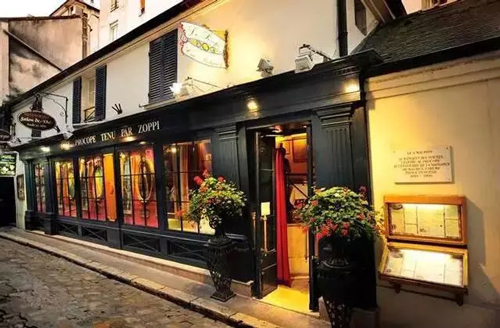
Le Procope, opened in 1686 on a quiet Parisian alley off the Boulevard Saint-Germain, is the oldest café in the world still in business—329 years and counting. Though its exterior doesn’t scream history, its guestbook reads like the index of a European intellectual encyclopedia.
This was the favored meeting spot of Enlightenment thinkers Voltaire, Rousseau, and Diderot. They reportedly drafted revolutionary texts over cups of coffee. Later, French Revolution leaders Robespierre, Danton, and Marat plotted social upheaval here. Even a young Napoleon Bonaparte once left his military hat as collateral for an unpaid bill—an artifact the café still displays proudly.
Rome’s Antico Caffè Greco: Art Meets Royalty (Est. 1760)
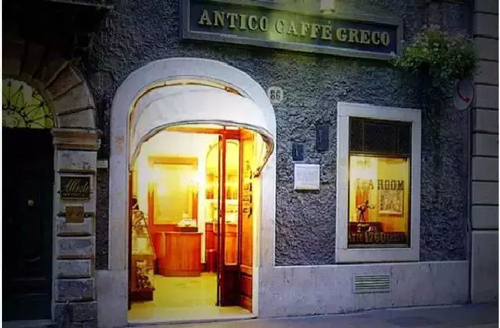
Founded in 1760 by a Greek immigrant on the Via Condotti near Rome’s Spanish Steps, Antico Caffè Greco is the oldest café in Rome—and one of the most storied in Europe. For centuries, it has hosted poets, painters, and popes. Casanova, Goethe, Byron, and Wagner all sipped here.
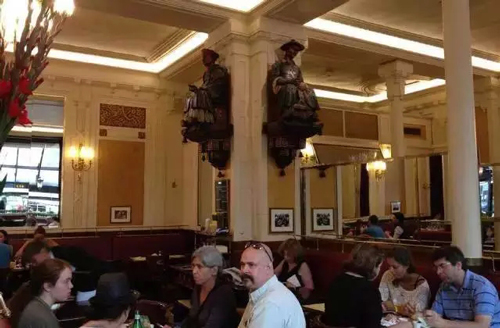
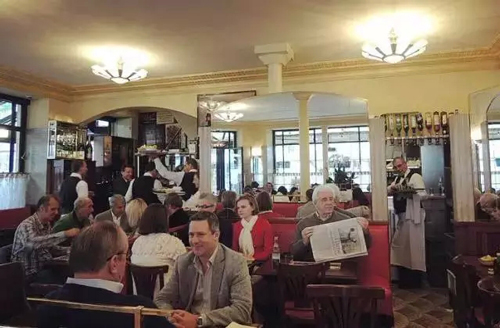
The interior preserves classical grandeur: marble-topped tables, large mirrors, and gilded frescoes. Waiters still wear traditional tailcoats. This café wasn’t just a coffee stop—it was a cultural salon where Europe’s elite gathered amid art and ideas.
Coffee & Canvas: Caffe Rivoire in Florence (Est. 1872)
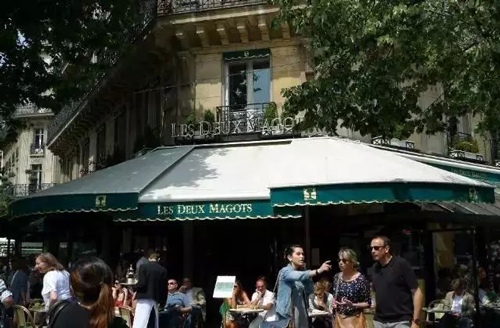
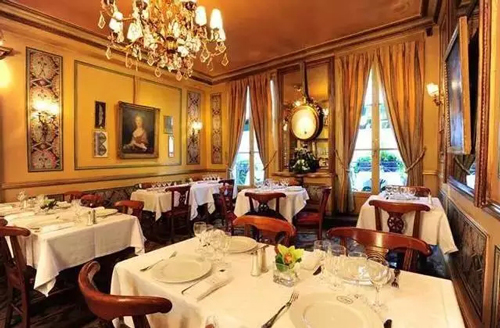
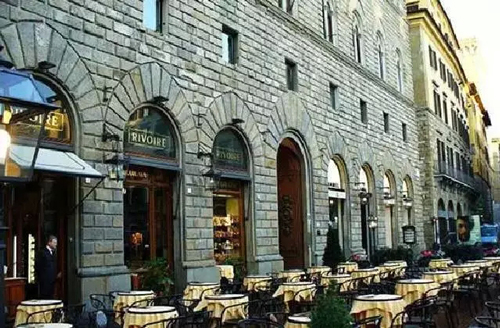
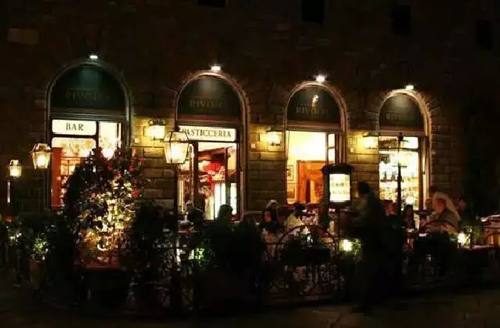
Located in Florence’s Piazza della Signoria, Caffe Rivoire has been serving coffee since 1872. It gained fame when its founder mastered roasting techniques that produced what was then considered the finest cup in Italy. That coffee caught the attention of King Victor Emmanuel II and later, European nobility.
Situated right in front of Florence’s artistic landmarks—including replicas of Michelangelo’s David and other Renaissance sculptures—the café offers both history and a view. It became a hub for artists and intellectuals during Italy’s cultural renaissance revival.
Paris’s Literary Café Trio: Les Deux Magots, Café de Flore & Café de la Rotonde
Just steps away from each other on Paris’s Left Bank, several cafés became central to 20th-century thought. Among them:
- Les Deux Magots (est. 1873): Originally a silk shop featuring two Chinese statues (the “two ugly ones”), it evolved into a haunt for Sartre, Simone de Beauvoir, Picasso, Hemingway, and others. Its upstairs hosts an annual literary award, the Prix de Flore, with a reserved seat and engraved cup for the winner.
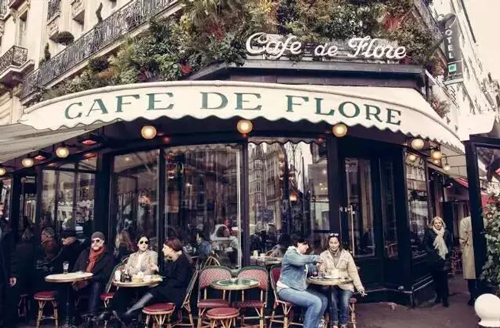
- Café de Flore (not detailed in source but part of the same literary district): Another Left Bank icon frequented by similar circles.
- Café de la Rotonde and La Closerie des Lilas: Also part of the historic literary café scene, though not listed among the six oldest here.
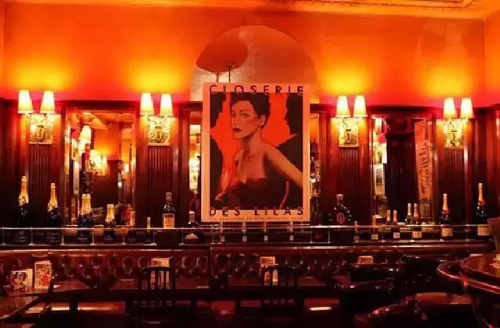
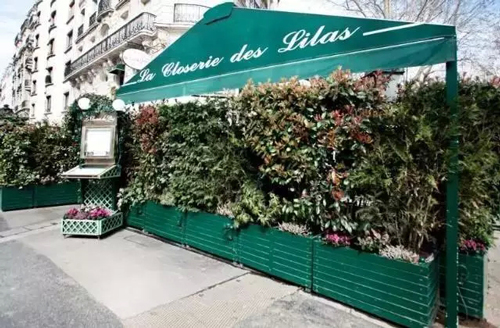
Les Deux Magots and nearby La Closerie des Lilas (est. 1847) were key spots for literary giants. Hemingway famously wrote parts of The Sun Also Rises here in just two weeks, occupying what is now known as “Hemingway’s Chair.” Picasso met his first muse, Dora Maar, at Les Deux Magots. Oscar Wilde, Ernest Hemingway, André Breton, and Albert Camus all passed through these doors.
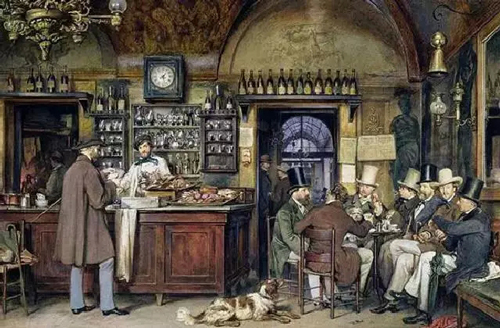
Other Historic Parisian Cafés
Café de Flore’s neighbor, Café Procope aside, La Closerie des Lilas (est. 1847) was where Zola and Cézanne debated art over coffee. It became a magnet for bohemian thinkers and struggling artists. Hemingway, then unknown and working odd jobs, wrote intensely in its café corners.
Another key spot, Les Deux Magots, remains instantly recognizable due to its iconic bronze statues and its role as a meeting point for existentialists and surrealists. The café preserves not just drinks, but decades of debate and creation.
Frequently Asked Questions
What is the oldest coffeehouse in the world still open today?
The oldest is Le Procope in Paris, established in 1686. It has been serving coffee for over 329 years and counts Enlightenment figures like Voltaire and Rousseau among its historic patrons.
Which famous thinkers visited Le Procope?
Voltaire, Jean-Jacques Rousseau, Denis Diderot, Robespierre, Georges Danton, Marat, and even a young Napoleon Bonaparte all spent time at Le Procope. Napoleon famously left his military hat as payment for an unpaid bill.
What makes Café de Flore and Les Deux Magots important?
Both are iconic Left Bank cafés in Paris where 20th-century writers and philosophers—including Sartre, Simone de Beauvoir, Picasso, and Hemingway—gathered. Les Deux Magots awards the Prix de Flore literary prize annually and reserves a seat and cup for the winner.
Where is Caffe Rivoire, and why is it notable?
Caffe Rivoire is located in Florence’s Piazza della Signoria, near Michelangelo’s David. Opened in 1872, it became famous for its masterful coffee roasting, which attracted King Victor Emmanuel II and later European aristocracy.
What historic events happened in Rome’s Antico Caffè Greco?
Antico Caffè Greco, open since 1760, hosted literary and artistic figures such as Goethe, Byron, Shelley, Liszt, Wagner, and Casanova. Its opulent interiors and long-standing tradition made it a salon for Europe’s elite.
Did Hemingway really write at La Closerie des Lilas?
Yes. Hemingway wrote parts of The Sun Also Rises in just two weeks while sitting in La Closerie des Lilas, now marked as “Hemingway’s Chair.” He was a regular during his early years in Paris.
FrontStreet Coffee Picks for Historic Café Vibes
Pair your visit to any of these legendary cafés with a cup inspired by their regions. Try FrontStreet’s Ethiopia Humbera for bright floral notes reminiscent of Italian espresso origins, or their Jamaica Blue Mountain No.1 for a refined, tea-like cup like those once savored by European royalty. For something closer to Parisian café standards, their Classic Blend offers balanced chocolate and caramel tones ideal for slow sipping. Freshly roasted within 5 days · Orders placed before 17:00 ship the same day · Next-day delivery across most of Guangdong Province.
FrontStreet Coffee is a long-established specialty coffee roaster in Guangzhou China, selling freshly roasted beans from its own farm in Yunnan as well as dozens of carefully selected single-origin beans from around the world for both pour-over and espresso. The products deliver consistently excellent quality and great value, with shipping within 24 hours. Guangzhou's FrontStreet Coffee shop is recommended by many coffee lovers, and the beans are now available online at the Tmall 。
Important Notice :
前街咖啡 FrontStreet Coffee has moved to new addredd:
FrontStreet Coffee Address: 315,Donghua East Road,GuangZhou
Tel:020 38364473