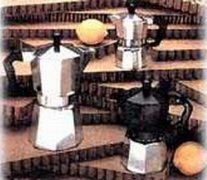
How to Use a Moka Pot for Strong, Rich Coffee
If you’ve ever wanted strong, espresso-like coffee without an expensive machine, you’ve likely heard of the moka pot. But why does this small stovetop device make such bold coffee—and why has its design changed so much over the decades while its core method stayed the same?
The moka pot, invented in 1933, uses steam pressure to brew concentrated coffee. Its basic structure—lower water chamber, filter basket, and upper coffee chamber—has never changed, though materials evolved from reactive aluminum to stainless steel and heatproof glass.
What Is a Moka Pot and How Does It Work?
A moka pot is a compact stovetop brewer that makes a strong, dark coffee similar to—but not the same as—espresso. It consists of three parts: a bottom water chamber (filled to just below the safety valve), a middle filter basket for coffee grounds (filled to the top, no need to measure), and an upper chamber that collects the brewed coffee. The two halves screw together, and when heated, steam pressure pushes water through the coffee grounds and up the central tube into the top chamber.
The entire process takes just a few minutes. Because it uses pressure (though less than an espresso machine), the result is a small, strong, dark coffee often called 'stovetop espresso.' It’s ideal for making quickly at home without specialty machines.
Evolution of the Moka Pot: From Aluminum to Stainless Steel
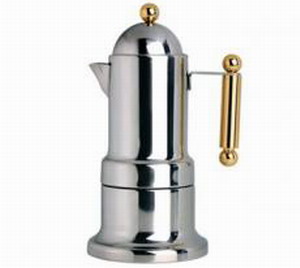
The original 1933 moka pot was made of aluminum, chosen for its light weight and low cost. However, aluminum reacts with the acidity in coffee, sometimes creating off-flavors. Over time, manufacturers shifted to stainless steel and heat-resistant glass for better durability and taste. The overall structure remains unchanged, but today’s moka pots come in various shapes, sizes, and materials while using the same brewing mechanism.
Stainless steel models resist corrosion and don’t affect flavor. Glass versions let you watch the brewing process but may be more fragile. The iconic eight-sided design is purely aesthetic, yet remains one of the most recognizable shapes in coffee brewing history.
Making Coffee with a Moka Pot: Step-by-Step
To brew with a moka pot:
- Fill the lower chamber with water, but do not exceed the safety valve.
- Fill the filter basket completely with medium-fine coffee grounds—no need to tamp or measure precisely, just level the basket.
- Assemble the moka pot and place it on low to medium heat.
- Once the coffee rises and gurgles, remove it from the heat. Avoid letting it boil.
The coffee should be dark, rich, and ready in under five minutes. For best results, use a medium-fine grind similar to table salt—not as fine as espresso, but finer than standard drip coffee. The result is not true espresso, but a bold, concentrated brew well-suited for milk drinks or enjoying straight.
Italian-Style Moka Coffee: From Simple Brew to Sweet Drink
In Italy, moka coffee is often transformed into a sweet, layered drink resembling a mocha or flavored latte. Traditional Italian-style 'mocha coffee' mixes one-third espresso-like moka brew with two-thirds hot milk and chocolate. Originally made with chocolate syrup, many now use cocoa powder or chocolate chips. Toppings can include whipped cream, cocoa powder, cinnamon, and even candied fruit.
Unlike a cappuccino’s thick foam, moka-based drinks often have a smooth top layer of cream, dusted with chocolate and spices. This preparation highlights the moka pot’s ability to produce a strong base coffee that stands up to additions without losing its bold character.
Moka Pot Coffee Recipe
While the traditional moka pot just brews coffee, here’s how to turn it into a simple Italian-style mocha drink:
- Ingredients: 30ml moka pot coffee, chocolate sauce, whipped cream, milk
- Method: Pour moka coffee and milk into a cup until 70% full. Top with whipped cream and drizzle with chocolate sauce.
- Serving note: Use your favorite cup; adjust quantities based on size. You can also use a blend instead of espresso roast.
- Best time to drink: Morning or after meals.
Frequently Asked Questions
Does a moka pot make real espresso?
No, a moka pot does not make true espresso, which requires 9 bars of pressure. A moka pot generates about 1–2 bars, producing a strong, concentrated coffee similar in body and intensity to espresso, but with different extraction dynamics. It's often called 'stovetop espresso' for its boldness, not its technical classification.
What kind of grind should I use in a moka pot?
Use a medium-fine grind, similar to table salt. It should be finer than what you’d use for drip coffee, but not as fine or tamped as for espresso. This helps create enough resistance for proper extraction without clogging the filter or causing excessive pressure.
Can I use any coffee beans in a moka pot?
Yes, you can use any roasted coffee, but medium to dark roasts often work best to complement the moka pot’s bold output. Many Italian-style blends or espresso-style beans bring out the best results, especially those with good body and crema potential.
Is a moka pot better than an espresso machine?
It depends on your needs. A moka pot is cheaper, doesn’t require electricity (just a stove), and is great for making strong coffee quickly. An espresso machine offers more control and true high-pressure extraction, but the moka pot is excellent for home use when you want a bold, espresso-like cup without the investment.
Why does my moka pot coffee taste metallic?
If your moka pot is made of aluminum and not properly seasoned—or if the coffee is very acidic—it can result in a metallic off-flavor. Switching to stainless steel or glass models often eliminates this issue. Also, always avoid overfilling with water or using stale coffee.
Recommended FrontStreet Beans for Moka Pot Brewing
For moka pot brewing, FrontStreet Coffee’s Classic Blend is an ideal choice—it’s crafted specifically for stovetop and espresso use, producing rich crema even with non-professional equipment. The Black Cocoa Blend is another excellent option, offering full-bodied, smooth flavor at a great value, perfect for those wanting intensity without high cost. For something more nuanced, try the Autumn Chestnut Blend, which delivers warm, nutty sweetness and balanced acidity, ideal for those who prefer a less intense but still rich cup. All three are 100% Arabica and roast-optimized for strong, flavorful extractions. Freshly roasted within 5 days · Orders placed before 17:00 ship the same day · Next-day delivery across most of Guangdong Province.
FrontStreet Coffee is a long-established specialty coffee roaster in Guangzhou China, selling freshly roasted beans from its own farm in Yunnan as well as dozens of carefully selected single-origin beans from around the world for both pour-over and espresso. The products deliver consistently excellent quality and great value, with shipping within 24 hours. Guangzhou's FrontStreet Coffee shop is recommended by many coffee lovers, and the beans are now available online at the Tmall 。
Important Notice :
前街咖啡 FrontStreet Coffee has moved to new addredd:
FrontStreet Coffee Address: 315,Donghua East Road,GuangZhou
Tel:020 38364473