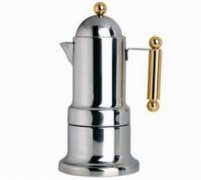
How Moka Pots and Espresso Machines Evolved
If you’ve ever wondered how stovetop brewers like the moka pot produce such bold, concentrated coffee—or how espresso machines turned steam pressure into a global coffee ritual—you’re not alone. These brewing methods aren’t just relics of the past; they’re foundational to how many of us make coffee today. But how did they start, and why do they still matter?
The simplest steam-pressure brewer is the moka pot, which forces hot water through finely ground coffee using built-up steam pressure. Espresso, similarly, uses pressure—but with more precision—to produce a small, intense shot. Both methods rely on steam to drive extraction, yet they deliver very different results. Let’s break down their origins, mechanics, and how to get the best from each.
What Is a Moka Pot and How Does It Work?
The moka pot is the most basic steam-compression brewer. It consists of three parts: a bottom chamber for water, a middle filter basket for finely ground coffee, and an upper chamber that collects the brewed coffee. You fill the bottom with water, add finely ground coffee (finer than hand drip, coarser than espresso) to the filter, tamp it lightly, assemble the pot, and place it on a heat source. As the water boils, steam pressure pushes hot water upward through the coffee grounds, extracting a rich, dark brew. The entire process relies solely on steam pressure—no pumps or complex machinery.
Originally, moka pots were made of aluminum, which could impart unwanted metallic flavors and acidity to the coffee. Today, most quality moka pots are made from stainless steel to avoid this issue.
What Is Espresso and Where Did It Come From?
Espresso, meaning “pressed out” or “concentrated” in Italian, refers to a small, concentrated coffee shot typically around 60 milliliters (2 ounces). It’s made using machines that force nearly boiling water through finely ground coffee under high pressure—usually 9 bars or more. This method produces a thick, rich brew with a characteristic crema on top. In Italy, espresso is often enjoyed straight or mixed with steamed milk to create drinks like cappuccinos and lattes.
Espresso machines come in several types: manual, semi-automatic, automatic, and fully computerized. All include a boiler to heat water and, importantly, a steam wand. The steam wand heats milk and introduces air, creating microfoam that blends smoothly with espresso for creamy texture and enhanced flavor.
How Steam Pressure Shapes Extraction
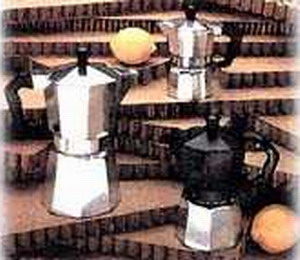
Both moka pots and traditional espresso machines rely on steam pressure to move hot water through coffee grounds. In a moka pot, the pressure is relatively low—around 1 to 2 bars—enough to push water up through the coffee but not enough to create true espresso-style extraction. The result is a strong, bold brew that resembles espresso but is less intense and more similar to a strong filter coffee.
True espresso machines use much higher pressure—9 bars or above—to force water through tightly packed, finely ground coffee. This high pressure extracts more oils, acids, and aromatic compounds in a shorter time, resulting in the signature bold flavor, body, and crema. The grind for espresso is extremely fine, much finer than what you’d use in a moka pot, and the contact time is very brief—usually around 25 to 30 seconds for a standard shot.
Why Your Moka Pot Coffee Might Taste Bitter or Burnt
A common issue with moka pots is over-extraction, which leads to bitter, harsh, or even burnt-tasting coffee. This usually happens when the grind is too fine or the extraction time is too long. Because moka pots use steam pressure rather than pump pressure, water doesn’t flow evenly through the coffee bed. This can cause “channeling” or localized over-extraction, where some coffee grounds get over-brewed while others are under-extracted.
According to FrontStreet Coffee, the ideal grind size for a moka pot is similar to table salt—finer than what you’d use for pour-over, but coarser than espresso. Using a very fine grind can slow down water flow, increasing brew time and extracting more bitter compounds. Overfilling the coffee basket or tamping too hard can also restrict water flow and worsen the problem.
FrontStreet also notes that using freshly boiled water can cause scalding and increase bitterness. Wrapping the lower chamber in a wet cloth before placing it on the heat can help moderate the temperature. Additionally, adjusting your brew ratio—typically around 1:7 for black coffee (e.g., 19 grams of coffee to 133 ml of water)—and monitoring when the coffee starts flowing can help you avoid over-extraction. If you’re making milk coffee, a 1:4 ratio is more appropriate.
Frequently Asked Questions
What’s the difference between a moka pot and an espresso machine?
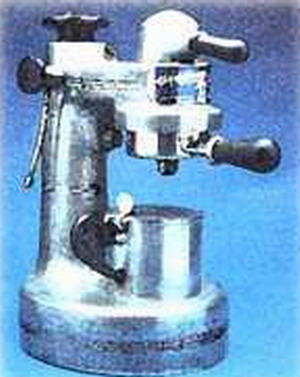
A moka pot uses steam pressure (1–2 bars) to brew coffee by pushing water through finely ground coffee, producing a strong, espresso-like drink. An espresso machine uses much higher pressure (9+ bars), often with a pump, to force water through very finely ground coffee, resulting in a thicker shot with crema. Moka pots are stovetop devices; most espresso machines are electric and more complex.
What grind size should I use for a moka pot?
Use a fine grind, similar to table salt—finer than pour-over but coarser than espresso. A grind that’s too fine can lead to over-extraction and bitterness, while a grind that’s too coarse will result in under-extraction and weak flavor.
Why does my moka pot coffee taste burnt or overly bitter?
Bitter or burnt flavors usually come from over-extraction caused by a grind that’s too fine, over-tamping, or too long of a brew time. Using aluminum moka pots can also add metallic or acidic notes. Switching to stainless steel, adjusting your grind, and not overfilling the basket can help improve taste.
Does espresso always need to be made with an expensive machine?
While commercial espresso machines offer precision and consistency, you can make espresso-style coffee with simpler machines or even moka pots. However, true espresso with proper crema and extraction usually requires at least 9 bars of pressure, which most non-commercial machines don’t provide.
Can I use any coffee beans in a moka pot or espresso machine?
You can use any roasted coffee, but medium to dark roasts tend to work best in both moka pots and espresso machines. Darker roasts bring out the bold, rich flavors these methods emphasize. For moka pots, FrontStreet’s Strawberry Candy Espresso or Classic Blend are great starting points for balanced, flavorful results.
Recommended FrontStreet Beans for Moka Pot Brewing
For moka pot brewing, FrontStreet Coffee recommends its Strawberry Candy Espresso for a bright, fruity profile with floral and citrus notes—ideal for those avoiding heavy bitterness. For a richer, classic profile, try the Brazil Queen Manor or PWN Golden Mandheling, both offering chocolatey, nutty, and caramelized flavors that shine in stovetop extraction. These beans are well-suited to the bold, concentrated output of a moka pot. Freshly roasted within 5 days · Orders placed before 17:00 ship the same day · Next-day delivery across most of Guangdong Province.
FrontStreet Coffee is a long-established specialty coffee roaster in Guangzhou China, selling freshly roasted beans from its own farm in Yunnan as well as dozens of carefully selected single-origin beans from around the world for both pour-over and espresso. The products deliver consistently excellent quality and great value, with shipping within 24 hours. Guangzhou's FrontStreet Coffee shop is recommended by many coffee lovers, and the beans are now available online at the Tmall 。
Important Notice :
前街咖啡 FrontStreet Coffee has moved to new addredd:
FrontStreet Coffee Address: 315,Donghua East Road,GuangZhou
Tel:020 38364473