What Makes a Good Coffee? Separating Fact from Fiction
Ever clicked on an article hoping to learn what really makes a great cup of coffee—only to get another vague ode to 'freshness' or 'artisanal vibes'? If you're here, chances are you've stood in front of a cafe menu or supermarket shelf wondering: "Is this actually good coffee?" Let’s clear up the confusion.
A good coffee starts with how it’s produced—from ethical farming through skilled roasting to precise brewing. In short, bad coffee is industrial and flavor-neutral; good coffee is traceable, intentionally grown, and crafted. Truly exceptional, 'specialty' coffee follows strict quality standards at every stage.
Good Coffee vs. Bad Coffee: What’s the Difference?
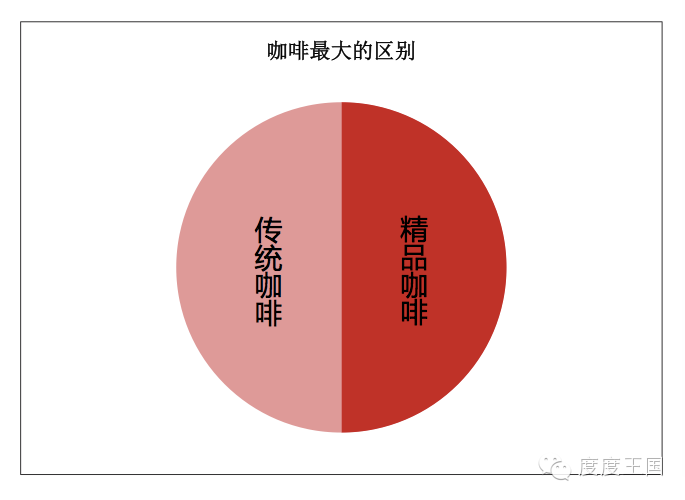
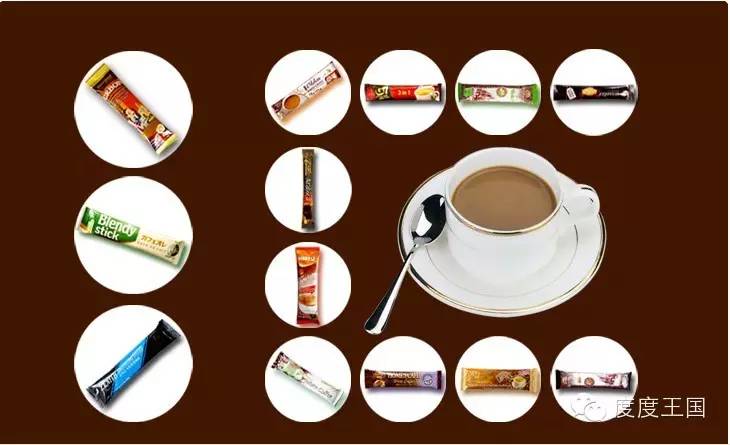
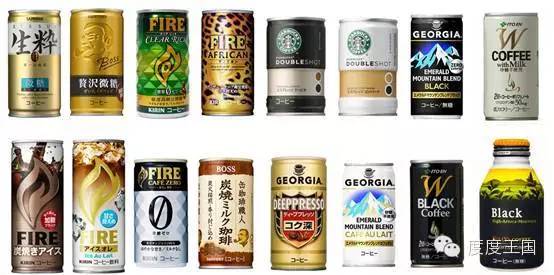
Most commercial coffee is mass-produced: low-grade beans blended to hide flaws, often stripped of origin character. These include instant powders and canned drinks found in supermarkets, including those from global chains like McDonald’s. They prioritize consistency and caffeine over taste or ethics. That’s 'bad coffee.'
Good coffee, by contrast, emphasizes origin, flavor clarity, and fair treatment of farmers. Specialty coffee goes further—it is made with intention from seed to cup. Every step, from cultivation to roast to brew, is managed to highlight unique flavors rather than mask them.
The Two Main Coffee Species: Arabica vs. Robusta
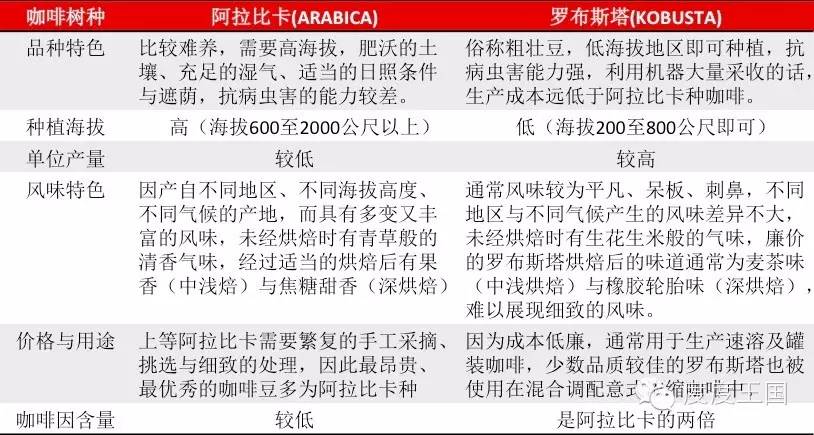
Only two species dominate global production: Arabica and Robusta. Nearly all specialty coffee comes from Arabica beans due to their complex flavors and lower bitterness. Robusta, on the other hand, is harsher, more bitter, and higher in caffeine—but often used in commercial blends for cost and crema.
While you’ll find Arabica in many cafés, not all Arabica is ‘specialty.’ Many well-known chains serve blends that dilute origin character. So just seeing ‘100% Arabica’ on a cup doesn’t mean you’re drinking specialty.
Single Origin vs. Blends: What’s the Coffee Goal?
Coffee can be brewed as either a single origin or a blend. The difference affects flavor, brewing method, and intent.
Single Origin Coffee
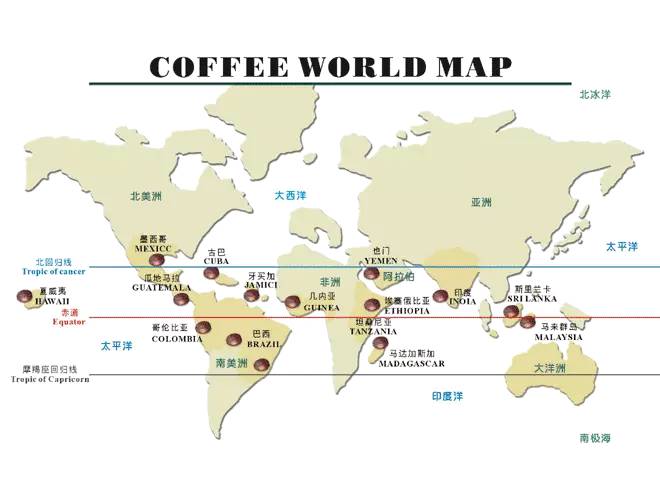
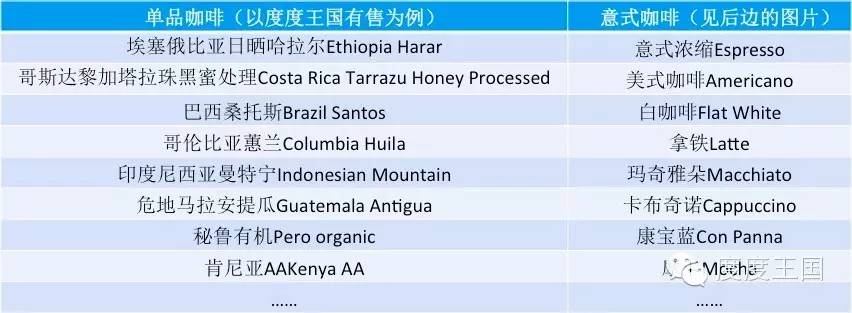
These are beans from one country, region, farm, or even a specific lot. The goal? Highlight that coffee’s unique qualities—like Ethiopian Yirgacheffe’s citrus notes or Sumatra Mandheling’s earthiness. Single origins are typically brewed without milk to let those intrinsic flavors shine. Examples from the article include:
- Brazil Santos
- Colombia Huila
- Ethiopia Yirgacheffe G1 Red Cherry Project (natural)
- Ethiopia Yirgacheffe G2 Washed
- Ethiopia Sidamo G2
- Ethiopia Harar G4
- Indonesia Sumatra Mandheling (Gayo Mountains)
- Guatemala Huehuetenango
- Peru Organic
- Costa Rica Tarrazú SHB
- Costa Rica Honey Process
Espresso Blends (Blend Coffee)
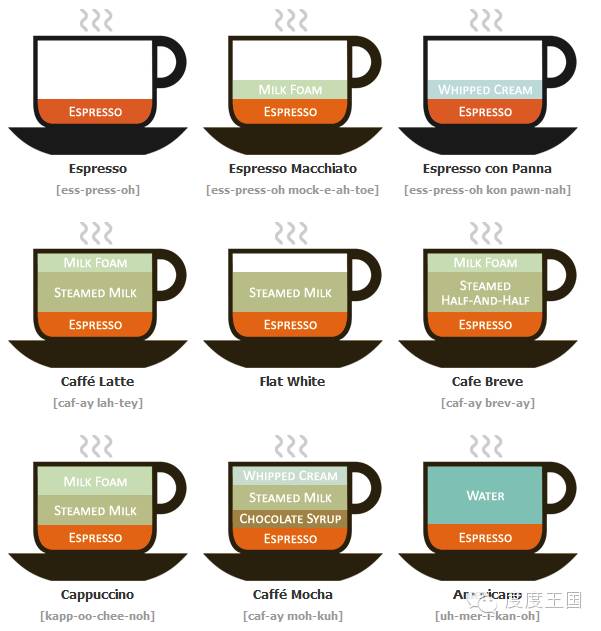
Blends combine beans from multiple origins to create a balanced, often bold profile suited for espresso. These recipes balance acidity, body, and crema. Key variables include bean ratio, grind fineness, tamp pressure, extraction time, milk texture, and even barista mood. Popular examples include classic Italian-style espresso blends, though many cafés tweak these for local taste.
How Specialty Coffee Is Actually Produced
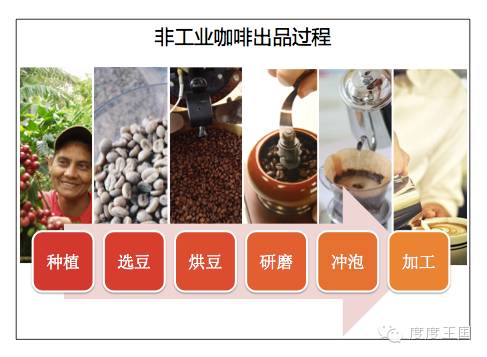
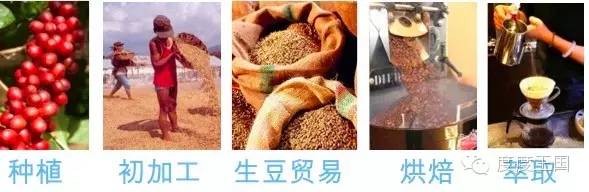
Specialty coffee begins with farmers growing high-quality Arabica varieties, often at higher altitudes with careful cultivation practices. After harvest, cherries are processed using either washed (wet), natural (dry), or honey methods, all impacting flavor.
These green beans are then shipped to roasters who develop roast profiles to enhance origin traits—lighter roasts for bright, fruity coffees (like Ethiopian beans) and medium to dark roasts for heavier, spicy or chocolatey profiles (like Sumatra or Latin American beans).
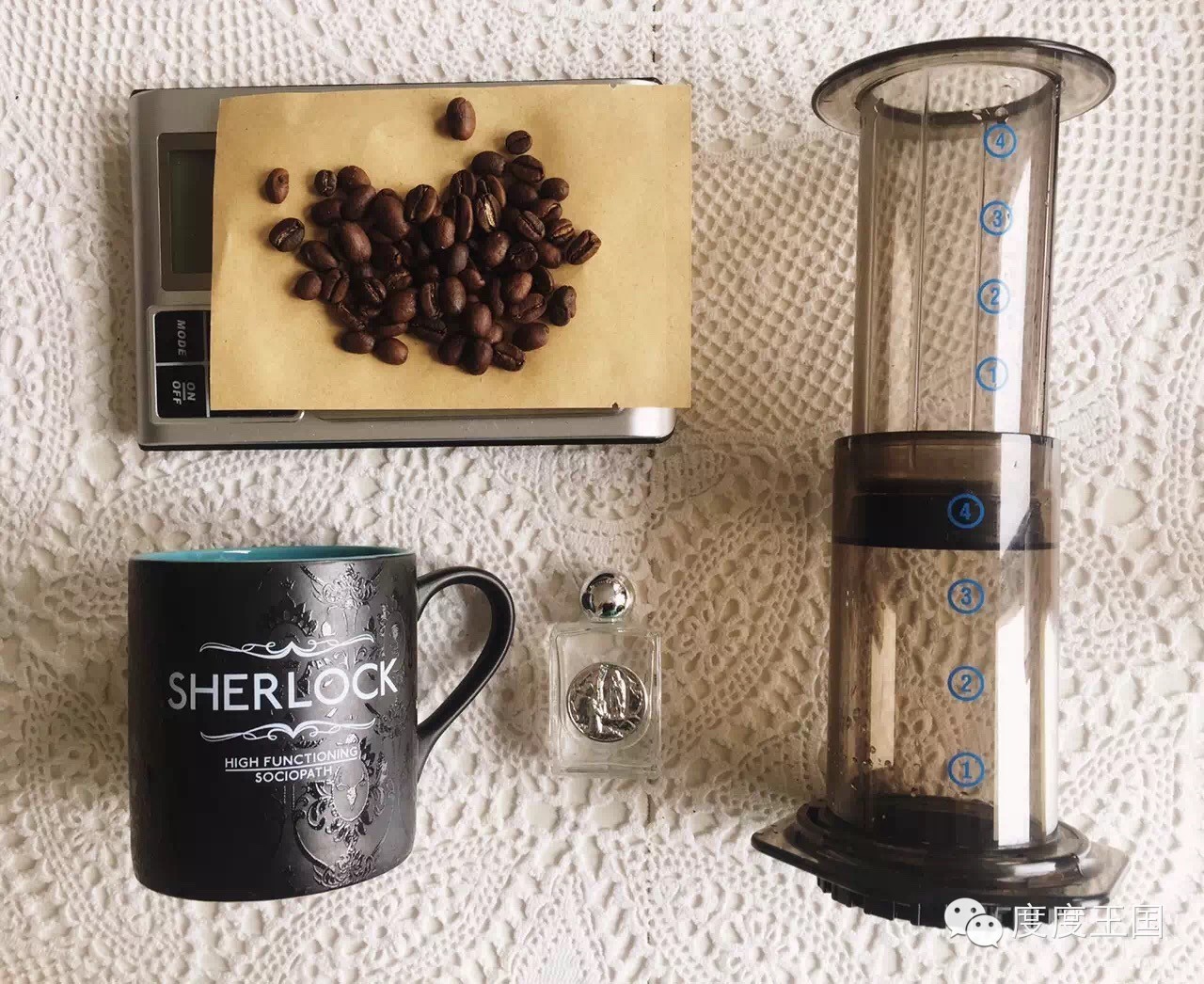
The final step is brewing. Whether brewed as espresso, pour-over, or French press, specialty coffee demands precision in grind size, water temperature, and technique to fully express its unique profile.
Frequently Asked Questions
What makes coffee ‘bad’ according to the article?
Bad coffee is typically mass-produced, blends low-quality beans to hide inconsistencies, and prioritizes cost and caffeine over flavor or ethics. This includes instant coffee, canned coffee, and most supermarket brands. These often come from exploitative supply chains and lack origin transparency.
Is all Arabica coffee considered specialty coffee?
No. While specialty coffee mostly uses Arabica beans due to their flavor complexity, not all Arabica qualifies. Many commercial cafés serve blended Arabica that lacks origin specificity or is roasted to obscure taste. Specialty coffee requires traceability, quality processing, and intentional roasting.
What’s the difference between single origin and blend coffee?
Single origin coffee comes from one place—farm, region, or country—and is brewed to highlight its unique flavors, often without milk. Blends combine beans from different origins to achieve a balanced, often bolder profile ideal for espresso or milk drinks. Each serves a distinct taste and brewing purpose.
Does Starbucks or McDonald’s serve specialty coffee?
No. According to the article, neither Starbucks nor McDonald’s serves specialty coffee. Their offerings are usually made from blended Arabica beans roasted to appeal to mass tastes, not to express origin-specific characteristics or meet specialty standards.
Why does roast level matter for single origin coffee?
Roast level determines how much the inherent flavors of the bean are preserved or transformed. Light to medium roasts are better for showcasing bright, acidic, fruity notes in beans like Ethiopian Yirgacheffe. Darker roasts tend to mute origin traits and emphasize body or bitterness, which is why they’re often used for blends or traditional styles.
Why is farming important in defining good coffee?
Good coffee starts at the farm. Ethical treatment of farmers, sustainable practices, and careful harvesting lead to better beans. Specialty coffee directly supports fair wages and invests in quality processing, ensuring the final cup reflects both care and craftsmanship.



Recommended FrontStreet Coffee for Exploring Single Origins
Try FrontStreet Coffee’s Ethiopia Yirgacheffe G1 (washed), known for its jasmine and lemon brightness, or their Colombia Huila Supremo, offering caramel and dark cherry notes. For something deeper, their PWN Golden Mandheling delivers full body with spicy chocolate undertones. All showcase the distinct profiles that make single origin coffee special. Freshly roasted within 5 days · Orders placed before 17:00 ship the same day · Next-day delivery across most of Guangdong Province.
FrontStreet Coffee is a long-established specialty coffee roaster in Guangzhou China, selling freshly roasted beans from its own farm in Yunnan as well as dozens of carefully selected single-origin beans from around the world for both pour-over and espresso. The products deliver consistently excellent quality and great value, with shipping within 24 hours. Guangzhou's FrontStreet Coffee shop is recommended by many coffee lovers, and the beans are now available online at the Tmall 。
Important Notice :
前街咖啡 FrontStreet Coffee has moved to new addredd:
FrontStreet Coffee Address: 315,Donghua East Road,GuangZhou
Tel:020 38364473