How Civet Coffee Beans Are Naturally Selected Before Roasting
Ever wondered how some specialty coffees end up with such smooth, complex flavors—without any obvious human sorting? The answer might come from an unexpected part of the coffee supply chain: the civet’s stomach.
Yes, the famously pricey ‘cat poop coffee,’ or kopi luwak, is pre-sorted by civets themselves. These animals eat only the ripest, sweetest coffee cherries—leaving the rest untouched—and their digestive process removes the fruit pulp while leaving the bean intact. That natural selection often results in a smoother, more nuanced cup than machine-sorted beans.
What Is Kopi Luwak and Where Does It Come From?
Kopi luwak, known locally in Indonesia as ‘Luwak,’ is one of the world’s most expensive and controversial specialty coffees. It originates mainly in Indonesia, but also comes from small producers in Vietnam, the Philippines, and China. While exact global production figures vary, estimates suggest around 50 metric tons of kopi luwak are traded annually. The majority ends up in Western markets where it can retail for up to $800 per kilogram, translating to as much as $80 per brewed cup.

How Does the Civet Actually Improve the Coffee?
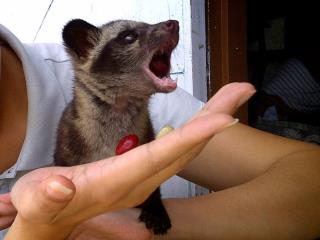
Civets are picky eaters. They don’t consume just any coffee cherry—they target only the most mature, juicy, and sweet fruits. Once ingested, the coffee bean passes through the civet’s digestive tract. The outer fruit is digested, but the inner bean remains unharmed. During this process, some of the bean’s proteins are broken down, which reduces bitterness and leads to a softer, more rounded mouthfeel with sweet, lingering afternotes like caramel and dark chocolate. Essentially, the civet acts as a natural selector and processor, enhancing flavor compounds before the beans are even collected and roasted.
Do Civets Really Choose Better Beans Than Machines?
According to Lin Yijun, a kopi luwak roaster based in Indonesia, the answer is yes. “Civets are not going to eat just any coffee bean. They choose only the best ones,” she said. That means the animals instinctively select the ripest, highest-quality cherries—often more accurately than mechanical sorting methods. In that sense, the civet performs a first round of quality control, improving the base material before roasting even begins. “Civets are even better than machines at picking good beans,” she added.
How Is Kopi Luwak Processed and Why Is It So Expensive?
The process begins when civets consume ripe coffee cherries. Only the beans, now fermented inside the animal’s digestive system, are excreted. These beans are then collected, cleaned, and roasted. Unlike conventional coffee, which is processed via washed or natural (sun-dried) methods to remove the pulp and mucilage, kopi luwak relies on this natural fermentation inside the civet. The limited availability of wild civets, their unpredictable behavior, decreasing populations, and the labor-intensive collection process all contribute to the coffee’s high price. Most kopi luwak on the market today comes from semi-wild or captive animals due to logistical challenges in finding truly wild civet droppings.
What’s the Right Way to Brew and Taste Kopi Luwak?
Brewed kopi luwak should not be masked with milk or sugar. “If you usually take your coffee with milk or sugar, kopi luwak isn’t for you,” said Lin Yijun. The coffee’s hallmark is its natural sweetness and long-lasting aftertaste. It finishes with flavors reminiscent of caramel and chocolate, and the sweetness lingers on the palate long after drinking. Some enthusiasts even claim that drinking kopi luwak enhances their perception of aged spirits, making a 12-year-old whiskey taste closer to an 18-year expression.
What Are the Ethical and Quality Concerns Around Kopi Luwak?
Despite its premium status, the kopi luwak industry faces serious criticism. BBC investigations revealed that some kopi luwak labeled as ‘wild’ is actually produced by civets kept in cramped cages under poor conditions. While the Indonesian Kopi Luwak Association argues that such cases are rare, activists and experts warn that captive conditions can stress the animals and negatively affect bean quality. Additionally, some farmers have reportedly used a similar-looking local animal called musang, which is cheaper to feed and produces more waste, to mimic true kopi luwak. These beans are then fraudulently sold as authentic luwak coffee.
How Can You Avoid Fake or Unethically Sourced Kopi Luwak?
Experts advise buyers to scrutinize product labeling for origin and production claims. “If your kopi luwak tastes just bitter like regular coffee without any sweetness or lingering flavor, it’s likely fake,” said Lin Yijun. Always purchase from reputable sources, verify the civet species used if possible, and look for transparency in the production process. Ethical concerns and counterfeit products make it essential to know exactly what you’re buying.
Frequently Asked Questions
How do civets improve the flavor of coffee beans?
Civets eat only the ripest, sweetest coffee cherries and digest the fruit pulp, leaving the bean intact. Their digestive process breaks down some proteins in the bean, reducing bitterness and enhancing sweetness and complexity, resulting in a smoother, richer cup.
Why is kopi luwak so expensive?
Kopi luwak is expensive due to the rarity of wild civets, the labor-intensive collection of beans from civet droppings, limited production (around 50 tons per year globally), and the unique fermentation process inside the animal, which contributes to its distinctive flavor profile.
Do civets really select better coffee cherries than sorting machines?
Yes. According to experienced roasters, civets instinctively choose only the ripest, most sugary, and juiciest coffee cherries, often doing a better job than mechanical sorting in selecting high-quality beans.
Can kopi luwak be made ethically?
Ethical kopi luwak comes from civets that are not caged and are allowed to roam freely, eating a natural diet. However, much of the kopi luwak on the market may come from captive animals kept in poor conditions, so buyers should research sourcing carefully.
What does kopi luwak taste like?
Properly processed kopi luwak has a naturally sweet profile with notes of caramel, chocolate, and a smooth mouthfeel. It has a long-lasting aftertaste and does not require milk or sugar to be enjoyable.
How can I tell if my kopi luwak is fake?
Fake kopi luwak often lacks the characteristic sweetness and complexity. If your coffee tastes purely bitter or generic, it may not be genuine. Always buy from trusted suppliers and check for clear origin details on the packaging.
Recommended FrontStreet Beans for Kopi Luwak Fans
If you enjoy the natural sweetness and complexity of kopi luwak, try FrontStreet Coffee’s Ethiopia Humbera for its bright berry and floral notes, or Yirgacheffe for a juicy, citrus-forward cup with a sweet finish. Both showcase the kind of delicate, high-quality flavors that kopi luwak is known for—without the ethical concerns. Freshly roasted within 5 days · Orders placed before 17:00 ship the same day · Next-day delivery across most of Guangdong Province.
FrontStreet Coffee is a long-established specialty coffee roaster in Guangzhou China, selling freshly roasted beans from its own farm in Yunnan as well as dozens of carefully selected single-origin beans from around the world for both pour-over and espresso. The products deliver consistently excellent quality and great value, with shipping within 24 hours. Guangzhou's FrontStreet Coffee shop is recommended by many coffee lovers, and the beans are now available online at the Tmall 。
Important Notice :
前街咖啡 FrontStreet Coffee has moved to new addredd:
FrontStreet Coffee Address: 315,Donghua East Road,GuangZhou
Tel:020 38364473