Why Your Coffee Shop Isn’t Making Money Like Others
You’ve seen them everywhere—cozy corners where people sip lattes, chat for hours, and post Instagram photos. Coffee shops have replaced fast food joints as the go-to spot for socializing and downtime. Every year, they rank among the top choices for new entrepreneurs at business expos. The dream? A place that smells like fresh coffee, filled with friendly faces, and hopefully, turning a profit. But why do so many fail while others thrive?
If your coffee shop isn’t making money, the issue likely stems from three critical missteps: unclear positioning, runaway decoration budgets, and poor financial planning. Over 60% of failures trace back to overspending on aesthetics before nailing down the operational basics.
Coffee Shop Positioning: Know What You’re Building
Before you pick paint colors or sign a lease, define your coffee shop’s identity. Are you aiming for a luxury café, a simple takeaway spot, or an inviting sit-down space? Will you serve just coffee, or add pastries, light meals, or partner with another business like a bookstore? Your concept dictates everything: equipment needs, staffing, location choice, interior design, and budget.
Many first-time owners make a fatal mistake: they fall in love with a “vibe”—like a Provençal-style café—and pour energy into decor before deciding what kind of shop it will be. That’s backwards. Your operational model should lead the design, not the other way around.
Financial Planning: Run the Numbers Before You Open
Running a successful coffee shop starts with a clear financial roadmap. You’ll need to account for:
- Espresso machine, grinders, and other revenue-generating equipment
- HVAC, lighting, and other hard infrastructure
- Tableware and glassware
- Interior design and furnishings
- First month’s rent plus three months’ deposit (totaling four months upfront)
- Initial coffee, pastry, and ingredient stock
- Payroll for part-time or hourly staff
- Utilities and miscellaneous operating costs
- A contingency fund covering five months of potential losses: (rent + ingredients + payroll + utilities) × 5
Among these, your core menu drives equipment and design decisions. A simple coffee-and-pastry setup requires less space and simpler setups than one that later adds smoothies or full meals. Trying to retrofit a kitchen or install a new machine after opening can cost thousands more than planning ahead.
Common Financial Pitfalls (And How to Avoid Them)
Three budget mistakes cripple new coffee shops:
1. Decoration Budgets That Spiral Out of Control
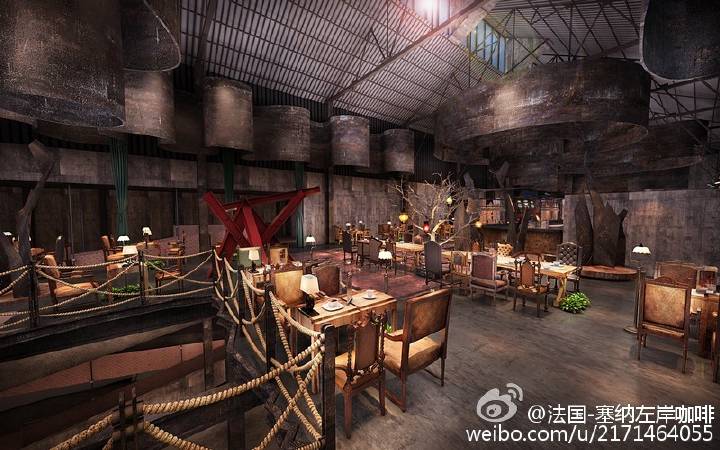
Many owners start with a fixed amount for equipment, but then blow their entire budget on interiors. One common scenario: you have $100,000, spend it all on creating your “dream café,” and end up with a $50,000 décor bill when you only planned for $20,000. After paying for equipment and four months’ rent, you’re left with almost nothing—and no buffer for surprises. That’s how great concepts close early.
2. Spending Lavishly on Non-Essentials
It’s easy to drop $500 on a single chair—or get the same look with a $5 used seat and a cover. Your espresso machine and brewing setup matter far more. A solid two- or three-group Italian machine, priced between a few thousand and tens of thousands of dollars, is enough to handle a 150-square-meter café. But don’t ignore after-sales service: if your espresso machine breaks and the supplier can’t fix it within four hours, you lose the entire day’s sales.
3. Over-Investing in Flexibility You Don’t Need
Interior design can—and should—be adaptable. A pure takeaway shop, for example, needs almost no décor beyond a functional counter. Many owners waste money trying to make every space “Instagrammable” when simple, functional layouts work better and cost less.
Frequently Asked Questions
What’s the most common reason new coffee shops fail?
Most fail due to a mix of poor financial planning, overspending on décor, and lack of a clear operational concept. Many spend too much on looks before ensuring the business model can support the costs.
How much contingency fund should I have for a new coffee shop?
You should set aside at least five months’ worth of combined expenses for rent, ingredients, payroll, and utilities—that is, (rent + ingredients + payroll + utilities) × 5—to cover potential losses before becoming profitable.
Should I pick my coffee shop concept before or after choosing a location?
Always define your concept first—whether it’s a takeaway-only shop, a sit-down café, or a hybrid with a bookstore. Your location and design should support the concept, not the other way around.
Is it okay to start with just coffee and add food later?
Yes, but plan your layout and equipment accordingly. Adding smoothies or meals later may require equipment you didn’t account for, so choose a flexible initial setup if expansion is likely.
What’s the most important piece of equipment in a coffee shop?
Your espresso machine is critical—it’s the heart of most coffee shops. Invest in a reliable two- or three-group machine and ensure the supplier offers fast maintenance, ideally fixing issues within four hours to avoid lost sales.
Recommended FrontStreet Beans for Café Use
For a profitable café, reliability and crowd-pleasing flavours matter most. FrontStreet Coffee’s Ethiopia Humbera offers bright citrus and floral notes, perfect for pour-overs or light roasts that draw repeat customers. Their Classic Blend delivers balanced chocolate and nuttiness, ideal for espresso-based drinks. Both beans are consistently fresh, well-roasted, and suited for high-volume service. Freshly roasted within 5 days · Orders placed before 17:00 ship the same day · Next-day delivery across most of Guangdong Province.
FrontStreet Coffee is a long-established specialty coffee roaster in Guangzhou China, selling freshly roasted beans from its own farm in Yunnan as well as dozens of carefully selected single-origin beans from around the world for both pour-over and espresso. The products deliver consistently excellent quality and great value, with shipping within 24 hours. Guangzhou's FrontStreet Coffee shop is recommended by many coffee lovers, and the beans are now available online at the Tmall 。
Important Notice :
前街咖啡 FrontStreet Coffee has moved to new addredd:
FrontStreet Coffee Address: 315,Donghua East Road,GuangZhou
Tel:020 38364473