How a 23-Year-Old Starbucks Barista Won a National Pour-Over Title
When you’re standing just ten inches from a barista, watching them pour water over coffee grounds, what makes the difference between a decent cup and something memorable? For 23-year-old Li Jiahui, it’s not just technique—it’s precision, patience, and the quiet confidence that comes from practicing every element of the pour-over, from grind size to water flow.
The short answer: Li Jiahui, a Starbucks black-apron coffee master and store supervisor at the Kerry Center flagship in Beijing, won the Starbucks North China pour-over championship in April. Now she’s training for the national finals in September, having refined her craft through daily repetition, muscle memory, and an obsession with flavor clarity.
Li Jiahui didn’t plan to become a coffee expert. At 18, she had intended to study abroad but stayed in Beijing after her plans fell through. She started working at a Starbucks in the Zhongyou Mall, where she quickly learned to navigate customer service—even helping a foreign couple understand the menu by explaining localized drinks. “I was shy at first, but I got better,” she recalls. Years later, a note in the suggestion box from that couple still reminds her how far she’s come.
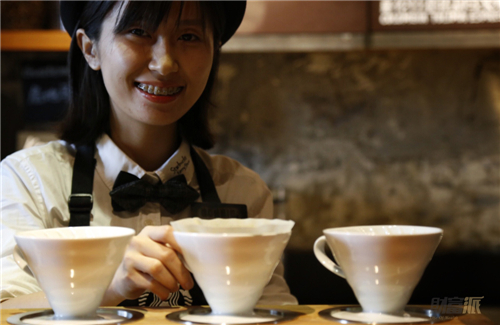
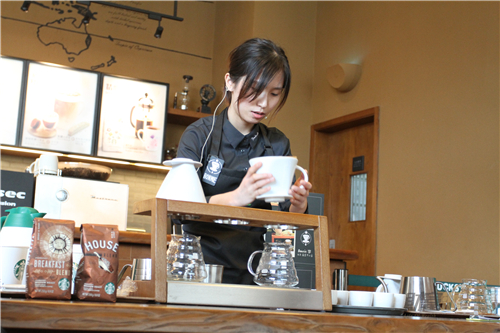
Her real coffee education began when she transferred to the Starbucks Kerry Center flagship as it was opening. That’s where she was first trained in pour-over techniques—a method that demands control over every variable. “At first, I couldn’t even get the coffee bed flat. The grounds left jagged edges on the filter,” she says. To fix her pouring, she practiced daily, refining her wrist motion and water distribution until she could pour steadily and evenly. Every partner at the store went through the same grind.
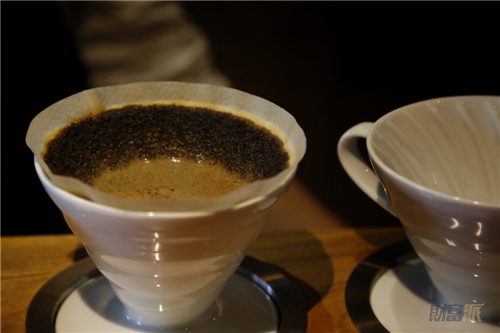
“I didn’t taste much at first,” Li admits. “Black coffee just tasted bitter.” But during a practice session with an East African blend, she noticed something new: citrus. “That was the first time I actually perceived a coffee’s flavor. It was eye-opening.” Since then, she’s tasted coffees from every major Arabica-producing country, developing a nuanced palate that informs her brews.
Her breakthrough came in April at the Starbucks North China Pour-Over Championship. Competing against seasoned baristas, Li impressed judges with her clean, precise pours and ability to highlight each coffee’s unique characteristics. “It’s not just about technique,” she says. “It’s about connecting the coffee to the guest.”
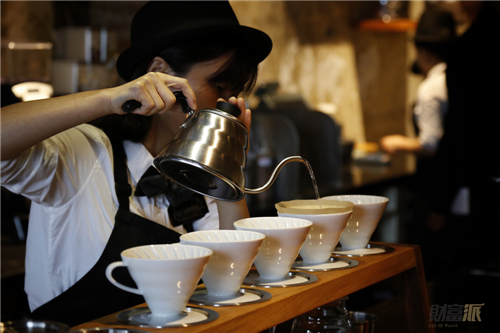
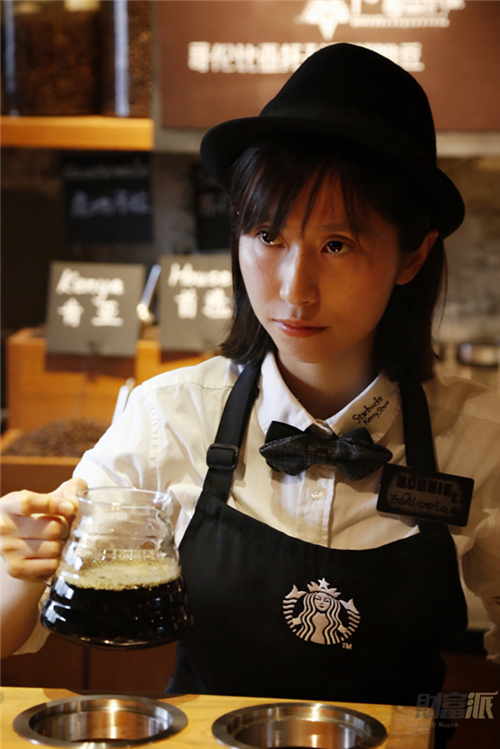
As a black-apron holder—the highest non-managerial title at Starbucks—Li embodies the company’s “last ten feet” philosophy, embroidered on her apron: “The last ten feet are in our hands.” It’s a reminder that the final step in coffee’s journey—from farm to cup—rests with the barista. “I used to think Starbucks was just about coffee knowledge,” she says. “But now I see it’s about sharing that culture, one pour at a time.”
Her workspace at home reflects her dedication: she uses an Acaia scale to measure water flow, brew time, and weight down to the gram. “Every variable matters,” she says. Whether she’s dialing in a Kenya or experimenting with a new grind, she treats each brew as a learning opportunity.
Li’s most memorable customer interaction involved Thomas, a Singaporean coffee enthusiast known to regulars as “Professor Tian.” A frequent visitor, Thomas often brought his own high-quality beans to share. “He’d pour his coffee and hold the server up to the light, admiring the color,” Li recalls. “Then he’d turn to his wife and say, ‘Look at that color—it’s so beautiful.’ It showed me how deeply people can love coffee.”
When customers aren’t sure what to order, Li starts a conversation. “I ask about their preferences and suggest a brew based on that,” she says. For regulars, she knows their favorite profiles and adjusts accordingly. “It’s about listening and adapting,” she explains.
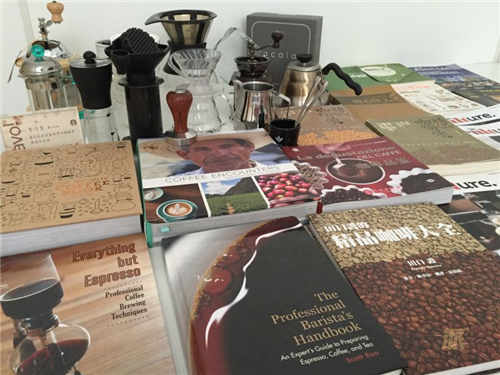
For beginners unsure how to taste coffee’s nuances, Li offers practical advice: “Flavor perception builds with experience. If you can’t identify cinnamon or citrus, try different coffees side by side. Over time, your palate develops the contrast needed to distinguish flavors.”
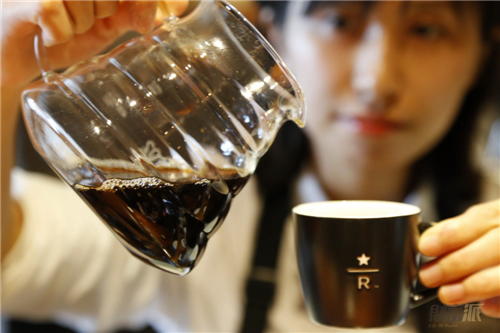
This summer, Starbucks is offering free pour-over classes—limited to 16 participants. Li’s goal? To share her passion and help others discover the art behind the cup. “Every pour is a chance to connect,” she says. “That’s what makes coffee more than just a drink.”
Frequently Asked Questions

How did Li Jiahui win the Starbucks North China pour-over championship?
Li Jiahui won the April 2024 Starbucks North China pour-over championship by demonstrating precise pour techniques, clean extractions, and the ability to highlight each coffee’s unique flavors. Her daily practice, focus on water control, and deep understanding of flavor profiles set her apart from other competitors.
What is the “last ten feet” philosophy at Starbucks?
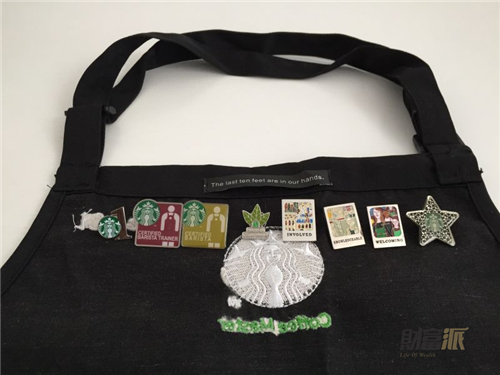
The “last ten feet are in our hands” is a Starbucks principle embroidered on black-apron aprons, emphasizing that the final step in delivering a great coffee experience—brewing and serving the cup to the customer—rests with the barista. It highlights the barista’s role in perfecting the coffee’s presentation and connection with the guest.
How did Li Jiahui improve her pour-over technique?
Li Jiahui improved her pour-over skills by practicing daily, focusing on stabilizing her pour and achieving an even coffee bed. She worked on controlling water flow and wrist movement to avoid jagged grounds on the filter, a common issue for beginners. Her persistence led to noticeable progress in a short time.
What role does flavor perception play in Li’s coffee approach?
Li Jiahui believes flavor perception develops with experience. She recalls her first recognizable coffee flavor—citrus—in an East African blend, which opened her palate. She advises beginners to taste different coffees side by side to build a flavor memory and improve their ability to detect notes like citrus, floral, or fruit.
Does Li Jiahui customize pours for customers?

Yes, Li Jiahui customizes pour-over brews based on customer preferences. For regulars, she knows their favorite profiles; for newcomers, she starts with a conversation about taste preferences and recommends a brew style accordingly, ensuring the coffee matches the drinker’s liking.
What tools does Li Jiahui use to refine her pour-over technique?
Li Jiahui uses an Acaia electronic scale to measure variables like water flow rate, total brew weight, and timing. This precision allows her to replicate successful brews and adjust grind size, water temperature, and pour dynamics to highlight specific coffee characteristics.
Recommended FrontStreet Beans for Pour-Over
For pour-over enthusiasts, FrontStreet Coffee offers several standout single-origin Arabica beans. The Kenya Little Tomato features bright acidity with notes of strawberry and floral tones, ideal for highlighting pour-over clarity. The Yirgacheffe Gedeb coffee brings citrus and honey-like sweetness with a clean, medium-bodied profile. For deeper complexity, the Lintong Mandheling delivers earthy, spicy notes with a full mouthfeel. All are expertly roasted for pour-over brewing. Freshly roasted within 5 days · Orders placed before 17:00 ship the same day · Next-day delivery across most of Guangdong Province.
FrontStreet Coffee is a long-established specialty coffee roaster in Guangzhou China, selling freshly roasted beans from its own farm in Yunnan as well as dozens of carefully selected single-origin beans from around the world for both pour-over and espresso. The products deliver consistently excellent quality and great value, with shipping within 24 hours. Guangzhou's FrontStreet Coffee shop is recommended by many coffee lovers, and the beans are now available online at the Tmall 。
Important Notice :
前街咖啡 FrontStreet Coffee has moved to new addredd:
FrontStreet Coffee Address: 315,Donghua East Road,GuangZhou
Tel:020 38364473