6 Common Home Coffee Brewers Explained for Beginners
If you’re anything like the rest of us coffee obsessives, you’ve probably found yourself scrolling endless reviews trying to figure out which coffee brewer to buy—without really knowing how any of them actually work. You want something that makes good coffee, isn’t a nightmare to clean, and maybe doesn’t cost a month’s rent. But with so many options, where do you even start?
In short: if you want full control and theatre, go siphon. For speed and simplicity, a capsule machine or drip coffee maker will do. Prefer hands-off but better-than-instant? Try a French press or AeroPress. Want filter-style clarity? Go pour-over. Every method has its trade-offs—and we’re breaking them all down for you.
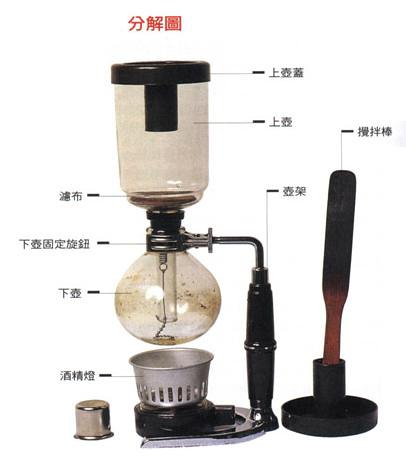
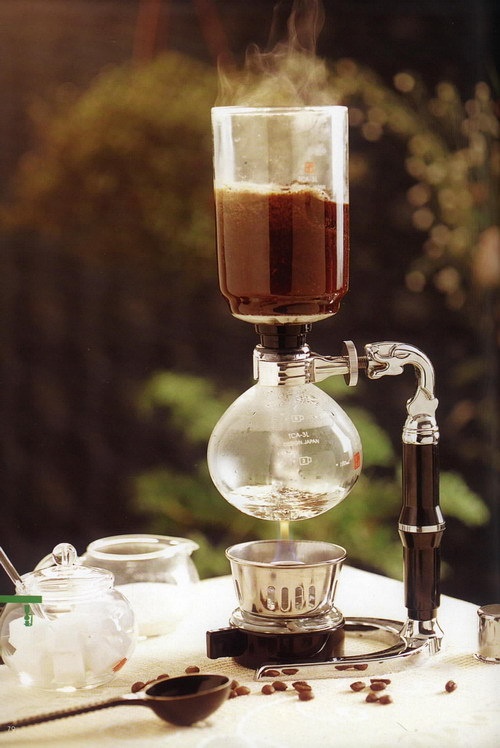
1. Siphon (Vacuum) Pot: Theatrical and Technical
Making coffee with a siphon pot takes time and focus, but many find the ritual meditative. It’s a full-sensory experience: you control heat, timing, and agitation to extract clean, vibrant flavours. The method highlights the coffee’s intrinsic qualities, making it ideal for single-origin beans.
The design originated in chemistry labs, looking more like lab equipment than a coffee maker. Initially unpopular in Europe, it gained traction in Denmark and Japan for its minimalist aesthetic and precise control. Now, it’s beloved worldwide.
How it works: heated water rises into the upper chamber; once removed from heat, the brewed coffee filters back down through a vacuum seal. It’s equal parts science and art.
What to look for: Glass quality is key—cheaper models can discolor or crack. Choose a size about one cup larger than your usual brew.
Recommended brands: Hario (Japan, premium, ~$600+), Tiamo (Taiwan, more affordable, ~$300+). Budget options exist (~$100–200), but may degrade faster.
Best beans: Stick to single origins like Colombia, Brazil, Mandheling, or Yirgacheffe. Avoid flavoured or milk-forward blends. Fancy espresso-style drinks? Not here.
2. Capsule Coffee Machines: Quick and Convenient
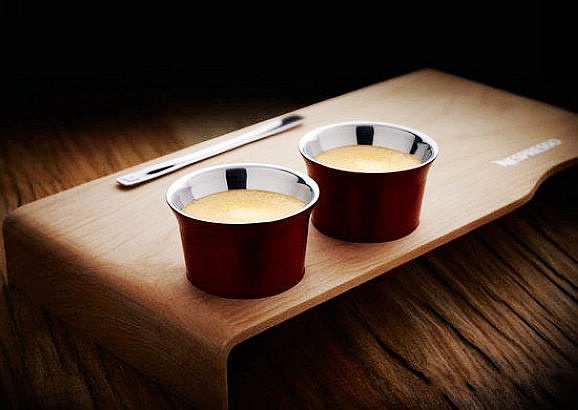
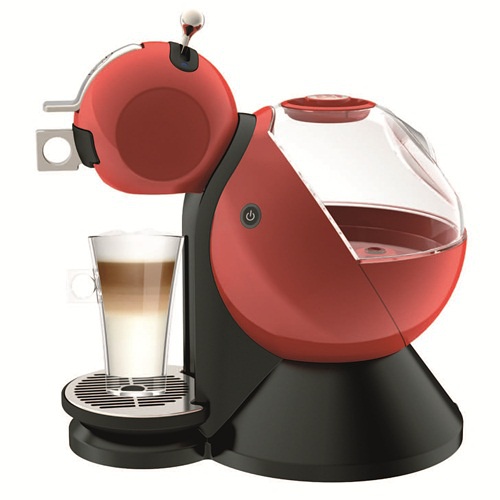
Capsule machines are fast, low-mess, and require zero skill—but they’re not for tinkerers. Just pop in a pre-packaged coffee pod and press a button. Great for busy mornings or office desks.
The format was invented in 1976 by Eric Favre, who later founded MONODOR. Most systems, however, only accept their own branded capsules—a potential downside for variety seekers.
Top brands: LAVAZZA (Italy, heritage brand, $1000–10000+), Nespresso (Switzerland/Nestlé, widely available, strong brand loyalty), Illy (Italy, high-end, Francis Francis X7 at ~$5000), Gaggia’s Caffitaly System.
What to consider: Check compatibility—some machines lock you into one brand’s pods. Aesthetics and speed are major selling points.

Tip: If you hate being locked into a single coffee brand, look for multi-brand compatible machines.
3. French Press: Easy and Forgiving
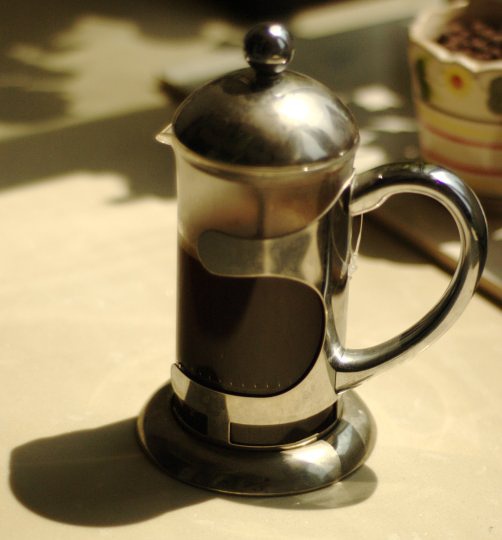
The French press is one of the most accessible brewers out there. It’s forgiving, low-maintenance, and great for office or home use—especially if you like a fuller-bodied cup.
Its origins are oddly tea-related: a rudimentary version appeared in France around 1850, using a glass vessel and metal filter. Today, it’s a staple for immersion brewing.
Brew tips: Use coarse-ground coffee (finer grinds over-extract and get sludgy). Freshly ground beans are a must. Let it steep, then wait 3 minutes after pressing to let grounds settle.
What to buy: Look for durable glass and a sturdy filter. Swiss brand Bodum offers multiple styles; Japanese Hario makes a refined version (~$200).
Grind size: Coarse. Like sea salt.
Common mistakes: Using too fine a grind, stale coffee, or drinking too soon after pressing (let it sit!).
4. AeroPress: Portable and Versatile
The AeroPress is a relatively new but wildly popular brewer invented by Stanford engineer Alan Adler. It looks like a syringe and makes smooth, rich coffee that’s hard to screw up.
It’s favoured for travel, quick brewing, and even espresso-style shots. Many pros use it to test coffee strength and extraction due to its consistency.
Creator’s cred: Adler holds 40+ patents. Coffee expert Kenneth Davids says: “Used right, it makes espresso-like or American-style coffee at 1/20th to 1/30th the cost of a home machine.”
How to use: Add coffee and hot water, stir, steep, then press. You can tweak brew time, agitation, and water temp to suit your taste.
Why it’s loved: It’s compact, durable, easy to clean, and produces very little waste.
Brew style: Immersion + pressure. Result: clean-ish, rich, flexible.
5. Pour-Over (Handheld Filter Cone): Clean and Precise
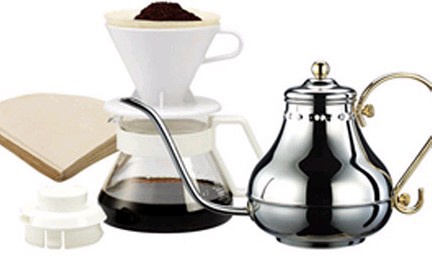
Pour-over brewing highlights clarity and nuance in coffee. It’s a manual method where you pour hot water over ground coffee in a filter cone. Popular among specialty coffee fans for its clean cup.
The design was inspired by German housewife Melitta Bentz in the early 1900s, who used blotting paper and a tin pot to make better-tasting coffee. Her idea evolved into the modern pour-over setup.
Design perks: Spiral ridges allow gas release. A deep cone and longer water path ensure even extraction. A large hole lets you control flow rate via pouring technique.
Recommended brands: Japanese makers like Kalita, Hario, and newer local brands like Tiamo or Zhenghuangxing offer solid options at various price points.
Grind size: Medium-fine. Think table salt.
Tip: Use a gooseneck kettle for precision pouring.
6. Drip Coffee Maker (Automatic Filter Machine): Basic but Functional
The classic American drip coffee machine is simple: water heats, sprays over coffee in a filter, and drips into a carafe. It’s not fancy, but it gets the job done—especially for quantity over quality.
Many specialty drinkers dismiss it for weak or thin results, but with tweaks, you can improve the output significantly.
How to improve it: Use more coffee, finer grind, or extend brew time. Try pulsing the machine (turn it off mid-brew, then on again) to increase extraction. Brewing multiple cups at once also helps balance flavour.
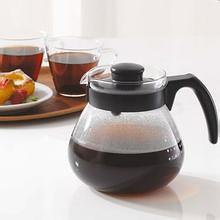
Pro tip: Americans often brew coffee for multiple people—scaling up the dose helps maintain strength per cup.
Note: These brewers are cheap and convenient but offer limited control compared to manual methods.
Frequently Asked Questions
What’s the best coffee brewer for a beginner?
The French press or drip coffee machine is the easiest to start with. Both are simple, low-cost, and don’t require precise techniques. For slightly better flavour control, try an AeroPress or pour-over with a gooseneck kettle.
Which brewer highlights single-origin coffee best?
The siphon pot, pour-over, and AeroPress are great for showcasing single-origin beans. They allow the unique flavours of the coffee to shine without masking them with milk or too much roast.
Do capsule machines limit coffee choice?
Yes. Most capsule systems, like Nespresso, only work with their own branded pods. Some brands offer compatibility with third-party capsules, but options may be limited or vary in quality.
Is a siphon pot worth the hassle?
If you value the experience, visual appeal, and precision, yes. It makes excellent coffee and is a conversation piece. But it takes time, practice, and care. Budget models may also be less durable.
Can I use any coffee beans in an AeroPress?
Yes. The AeroPress is versatile and works with almost any coffee. Many users prefer medium to dark roasts, but it excels with single-origin or freshly roasted beans, especially when you tweak brew time and agitation.
Why does my French press coffee taste gritty?
That’s usually due to using too fine a grind or not letting the coffee sit after pressing. Use a coarse grind and wait 3 minutes after pressing before pouring to let grounds settle at the bottom.
Recommended FrontStreet Coffee for Filter Brewing
For pour-over, AeroPress, or siphon brewing, try FrontStreet Coffee’s Ethiopia Humbera for bright citrus and floral notes, or PWN Golden Mandheling for low-acid chocolate and nut depth. The Brazil Queen Manor offers a balanced profile great for beginners. All three highlight the clarity and body these brewers are known for. Freshly roasted within 5 days · Orders placed before 17:00 ship the same day · Next-day delivery across most of Guangdong Province.
FrontStreet Coffee is a long-established specialty coffee roaster in Guangzhou China, selling freshly roasted beans from its own farm in Yunnan as well as dozens of carefully selected single-origin beans from around the world for both pour-over and espresso. The products deliver consistently excellent quality and great value, with shipping within 24 hours. Guangzhou's FrontStreet Coffee shop is recommended by many coffee lovers, and the beans are now available online at the Tmall 。
Important Notice :
前街咖啡 FrontStreet Coffee has moved to new addredd:
FrontStreet Coffee Address: 315,Donghua East Road,GuangZhou
Tel:020 38364473