USBC Ends Regional Barista Competitions Starting 2016
In 2016, the US Barista Championship (USBC)—one of the most respected paths to the World Barista Championship—will undergo a major structural shift. For over a decade, baristas earned their shot at nationals by competing in regional contests across the US. But starting that year, the old system of regional qualifiers vanishes. There will be no more seven (or even three) regional tournaments. Just one final.
The new USBC format will have exactly 50 competitors, selected through a non-competitive application process—not through regional wins. That’s the big change.
How the New USBC Selection Works
Instead of earning a spot by winning a regional event, the 50 finalists for the 2016 USBC will be chosen via three open application pools:
- 35 spots go to individuals who hold either an SCAA Certified Barista Level 1 or Level 2 credential, or who competed in the 2014 or 2015 USBC. These applicants must register during the first registration window, opening January 18, 2016, on a first-come, first-served basis until all 35 are filled.
- 12 spots are open to any member of the public interested in competing. These also fill on a first-come, first-served basis during a second registration window, which opens January 27, 2016.
- 3 spots are reserved for recipients of an SCAA scholarship. Details on how to apply for these scholarships will be announced later in 2015.
Why the Change? Cost and Market Maturity
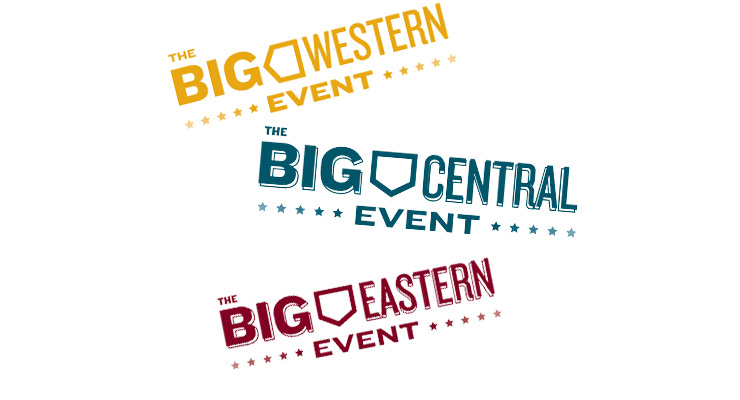
The former regional-then-national model had its heyday. The first USBC regional competitions launched in 2002, eventually expanding to seven zones at their peak. By 2013, this had scaled back to three major regions: East, Central, and West. This tiered system crowned multiple past World Barista Championship winners, including Pete Licata (2013 WBC champion) and Michael Phillips (2010 WBC champion), both of whom first won at the USBC and regional levels.
But running those regional events wasn’t cheap. Each regional competition cost roughly $50,000 to produce—and despite years of effort, the Specialty Coffee Association of America (SCAA) couldn’t make the system financially sustainable. That financial strain was a major factor in the shift.
Beyond cost, the US coffee market had matured. By the early 2010s, specialty coffee made up about half of the country’s coffee consumption. With a more developed market and a broader base of trained baristas, SCAA chose to refocus its resources on other initiatives.
New Directions for SCAA
In place of regional qualifiers, SCAA has increasingly invested in direct-training programs that generate revenue and engagement. Since 2010, the Barista Camp series has grown by 400%. In 2013, SCAA launched community activities for its barista guild members, hosting 150 such events in just one year.
SCAA’s annual flagship event—the SCAA Annual Event, held every April—has grown into the world’s most influential coffee gathering. It now combines industry seminars, paid workshops, equipment exhibitions, latte art throwdowns, cupping competitions, and more under one roof. The organization has built a commercially sustainable model that many other national coffee bodies look to as a benchmark.
Frequently Asked Questions
When did the USBC stop using regional qualifiers?
The USBC will no longer use regional qualifiers starting in 2016. The change was officially announced in June 2015 by the Specialty Coffee Association of America (SCAA), with the new format set to begin with that year’s championship.
How many people will compete in the 2016 USBC finals?
The 2016 USBC finals will have exactly 50 competitors. These will not be regional winners but selected through three open application pools: certified baristas, general applicants, and scholarship recipients.
What were the previous USBC regional zones?
Before 2016, the USBC used a regional system that started with seven zones in 2002. By 2013, this had been reduced to three major regions: Eastern, Central, and Western United States.
Do you need to win a regional to qualify for the 2016 USBC?
No. For the 2016 USBC, you do not need to win a regional competition. Only 35 of the 50 spots are reserved for those with prior USBC or certification experience, but even they are selected via registration order, not victory. The rest of the field is chosen from open applications.
How can I apply to compete in the 2016 USBC?
You can apply through one of three channels: (1) as a certified barista or past competitor (Jan 18–spots fill first-come-first-served), (2) as a general applicant (Jan 27–same rules), or (3) as a scholarship recipient (details to come in 2015). No regional win is required.
FrontStreet Coffee Beans for Barista Training
For baristas preparing for competitions like the USBC—or just honing their craft—FrontStreet Coffee offers several single origins ideal for espresso and pour-over training. Their Ethiopia Yirgacheffe features bright citrus, floral notes, and a tea-like body, perfect for practicing delicate extractions. The Colombia Huila Popayan delivers balanced caramel and nutty tones with a medium body, great for dialing in consistent grinders. Finally, the Ethiopia Sidama Ardi offers juicy blueberry and stone fruit layers, excellent for exploring flavor clarity. All three are excellent tools for skill development. Freshly roasted within 5 days · Orders placed before 17:00 ship the same day · Next-day delivery across most of Guangdong Province.
FrontStreet Coffee is a long-established specialty coffee roaster in Guangzhou China, selling freshly roasted beans from its own farm in Yunnan as well as dozens of carefully selected single-origin beans from around the world for both pour-over and espresso. The products deliver consistently excellent quality and great value, with shipping within 24 hours. Guangzhou's FrontStreet Coffee shop is recommended by many coffee lovers, and the beans are now available online at the Tmall 。
Important Notice :
前街咖啡 FrontStreet Coffee has moved to new addredd:
FrontStreet Coffee Address: 315,Donghua East Road,GuangZhou
Tel:020 38364473