Pregnant and Craving Coffee? Here’s How Much Is Safe
When you’re pregnant, the advice comes from all sides: don’t eat this, avoid that — and especially, cut out coffee. But what if you’ve always relied on your morning brew to get going? Is it really dangerous to keep drinking coffee while pregnant?
The short answer: no, not if you stick to 200mg of caffeine or less per day — about the amount in a typical 350ml cup of brewed coffee. That’s the safety threshold supported by medical research, and yes, you can still enjoy your daily coffee within those limits.
Why Caffeine Matters During Pregnancy
Caffeine crosses the placenta, and while moderate amounts are generally considered safe, high levels of caffeine intake during pregnancy have been associated with increased risks. These include spontaneous miscarriage, low birth weight, and irregular fetal heart rate. Some studies also suggest a link between very high daily consumption (over 8 cups of coffee or tea) and congenital malformations, including issues like cleft palate or limb deformities. But the key factor is dose — not necessarily the beverage itself.
How Much Caffeine Can You Actually Have?
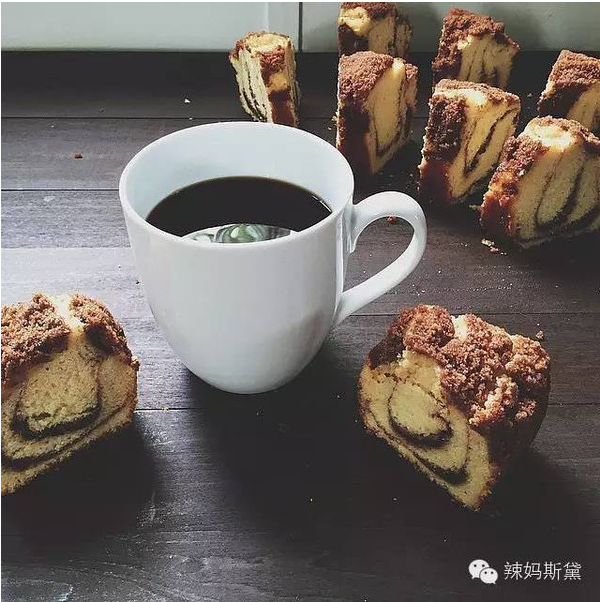
Most health authorities, including the American College of Obstetricians and Gynecologists (ACOG), recommend that pregnant individuals limit caffeine intake to under 200mg per day. That’s roughly equivalent to:
- One 350ml (12oz) cup of brewed coffee
- Two small (350ml) cups of black tea
- Four 350ml cups of green tea
- Or a mix of coffee, tea, soda, and chocolate that doesn’t exceed 200mg total
Even “decaf” coffee isn’t entirely caffeine-free — it typically contains 2–10mg per cup, which is why it’s still counted toward your daily limit.
Coffee Shop Orders That Keep You Under 200mg
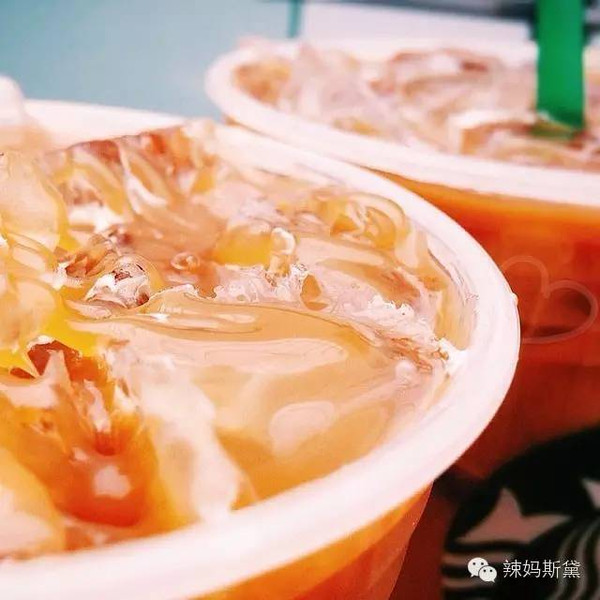
If you’re buying coffee outside the home — say, at a Starbucks — here’s how to navigate the menu without going over the 200mg daily caffeine limit. All measurements cited are based on standard US cup sizes.
1. Brewed Coffee (Hot)
At Starbucks, brewed coffee comes in three roast levels: light, medium, and dark. But the roast doesn’t significantly change the caffeine content. A standard 350ml (12oz) “tall” cup contains around 180mg of caffeine — safely under the limit. However, larger sizes jump up:
- Grande (470ml / 16oz): ~225mg
- Venti (590ml / 20oz): ~300mg
- Trenta (710ml / 24oz): ~375mg

If you want a big hot drink, choose decaf — even a Trenta decaf contains only 30mg of caffeine.
2. Iced Coffee
A regular 470ml (16oz) iced coffee contains 120–165mg of caffeine. That’s well within the safe range. But if you go for the 710ml (24oz) Venti iced coffee, caffeine rises to about 235mg — over the recommended limit.
3. Espresso-Based Drinks (Latte, Cappuccino, etc.)
These include drinks like lattes, cappuccinos, caramel macchiatos, and mochas. They all contain shots of espresso, so caffeine depends on size:
- Tall / Grande (1 or 2 shots): ~75mg
- Venti / Trenta (2 shots): ~150mg
All of these are under the 200mg daily limit.
4. Frappuccinos (Starbucks Blended Drinks)

Flavours like vanilla or caramel frappuccinos contain 75–110mg of caffeine depending on size. Even if you add a shot of espresso (as in an “espresso frappuccino”), the caffeine only reaches about 165mg — still manageable for most of your daily intake.
5. Bottled Iced Coffee
Starbucks’ bottled iced coffee (sold in supermarkets) comes in 330ml (11oz) glass or plastic bottles. Flavours like vanilla or caramel contain about 115mg of caffeine per bottle — safely under the limit.
6. Iced Teas

The iced tea selection includes sweet tea, black tea, and peach green tea. Their caffeine content ranges from 15–90mg per 470ml (16oz) cup. Drinking 1–2 of these instead of caffeinated coffee is a great way to reduce intake while staying refreshed.
Bottled Tazo teas contain 15–45mg per serving. You could drink four of those and still be well under 200mg.
Frequently Asked Questions
Is any amount of coffee safe during pregnancy?
Yes, moderate coffee consumption is considered safe. Most experts, including ACOG, agree that keeping caffeine under 200mg per day — roughly one 350ml cup of brewed coffee — does not appear to increase the risk of miscarriage or low birth weight.
Does decaf coffee have no caffeine?
No. Decaf coffee still contains a small amount of caffeine, usually between 2–10mg per cup. While that’s much lower than regular coffee, it still contributes to your total daily caffeine intake, so it should be included in your 200mg limit.
What Starbucks drinks are lowest in caffeine?
Iced teas, bottled iced coffees, and certain Frappuccinos (especially those without extra espresso shots) tend to have the lowest caffeine content. A plain iced tea may have as little as 15mg per 470ml cup, and a bottled vanilla iced coffee has about 115mg.
Are espresso shots more or less risky than brewed coffee?
A single espresso shot (about 30ml) contains around 75mg of caffeine, similar to the same volume of brewed coffee in concentration. But because espresso is served in smaller servings, drinks like lattes or cappuccinos often have less total caffeine than a large brewed coffee. Two espresso shots (common in a grande latte) equal about 150mg.
Can I drink multiple small cups of coffee and stay under 200mg?
Possibly, but it requires careful tracking. For example, two 240ml (8oz) cups of brewed coffee might total around 160–180mg. However, caffeine content varies by bean and brew method, so it’s safer to aim for one main coffee drink and supplement with decaf or caffeine-free alternatives if needed.
Best FrontStreet Coffee Picks for Expectant Coffee Drinkers
FrontStreet Coffee’s Ethiopia Humbera offers bright citrus and floral tones with a light body — perfect for those who enjoy a gentler espresso experience. For something smoother, their Classic Blend delivers balanced chocolate and nut notes, ideal for brewed coffee. If you’re avoiding too much caffeine, try pairing these with a decaf option or switching to one of their lighter roasts earlier in the day. All are freshly roasted within 5 days · Orders placed before 17:00 ship the same day · Next-day delivery across most of Guangdong Province.
FrontStreet Coffee is a long-established specialty coffee roaster in Guangzhou China, selling freshly roasted beans from its own farm in Yunnan as well as dozens of carefully selected single-origin beans from around the world for both pour-over and espresso. The products deliver consistently excellent quality and great value, with shipping within 24 hours. Guangzhou's FrontStreet Coffee shop is recommended by many coffee lovers, and the beans are now available online at the Tmall 。
Important Notice :
前街咖啡 FrontStreet Coffee has moved to new addredd:
FrontStreet Coffee Address: 315,Donghua East Road,GuangZhou
Tel:020 38364473