What’s the Difference Between Macchiato, Cappuccino and Latte?
You’ve ordered a macchiato at a coffee shop, only to be handed a tiny cup with a single shot of espresso and a little swirl of milk foam—just like the customer in the story. "This cup is so small," you think. "I’ve had macchiatos that look nothing like this." You’re not alone. The confusion over Italian-style milk coffees is widespread, and for good reason: terms like macchiato, cappuccino, latte, and flat white are often used differently around the world.
In short, a traditional caffè macchiato is just one shot of espresso (about 1 ounce or 30ml) with a single dollop of milk foam on top—meant to look “stained” or marked. That’s it. Meanwhile, drinks like cappuccino, latte, and others vary greatly in milk ratios, foam thickness, and even total volume depending on where you are.
What Is a Macchiato, Really?
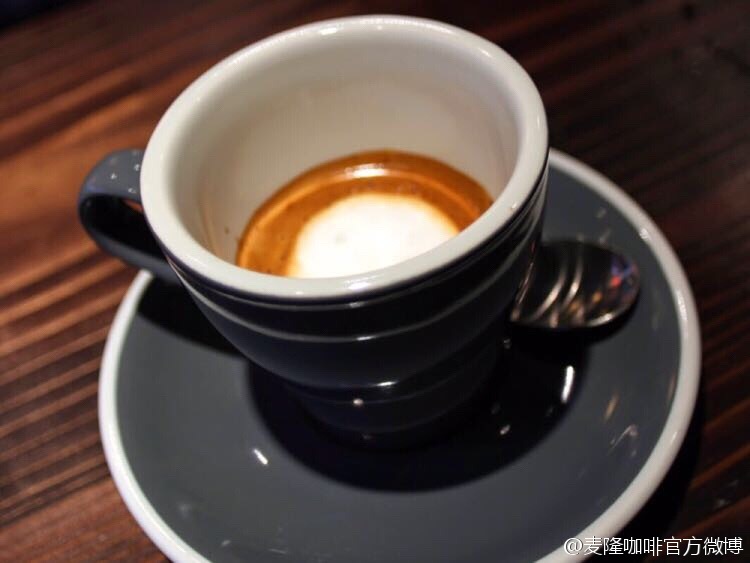
The word “macchiato” comes from the Italian verb meaning “to stain” or “to mark.” A caffè macchiato literally means “stained coffee.” The classic version consists solely of a single shot of espresso with a small amount of steamed milk foam added, just enough to slightly alter the color of the espresso. This results in a drink with roughly 30ml of espresso and just a teaspoon or so of foam—no steamed milk, no extra volume, no ambiguity.
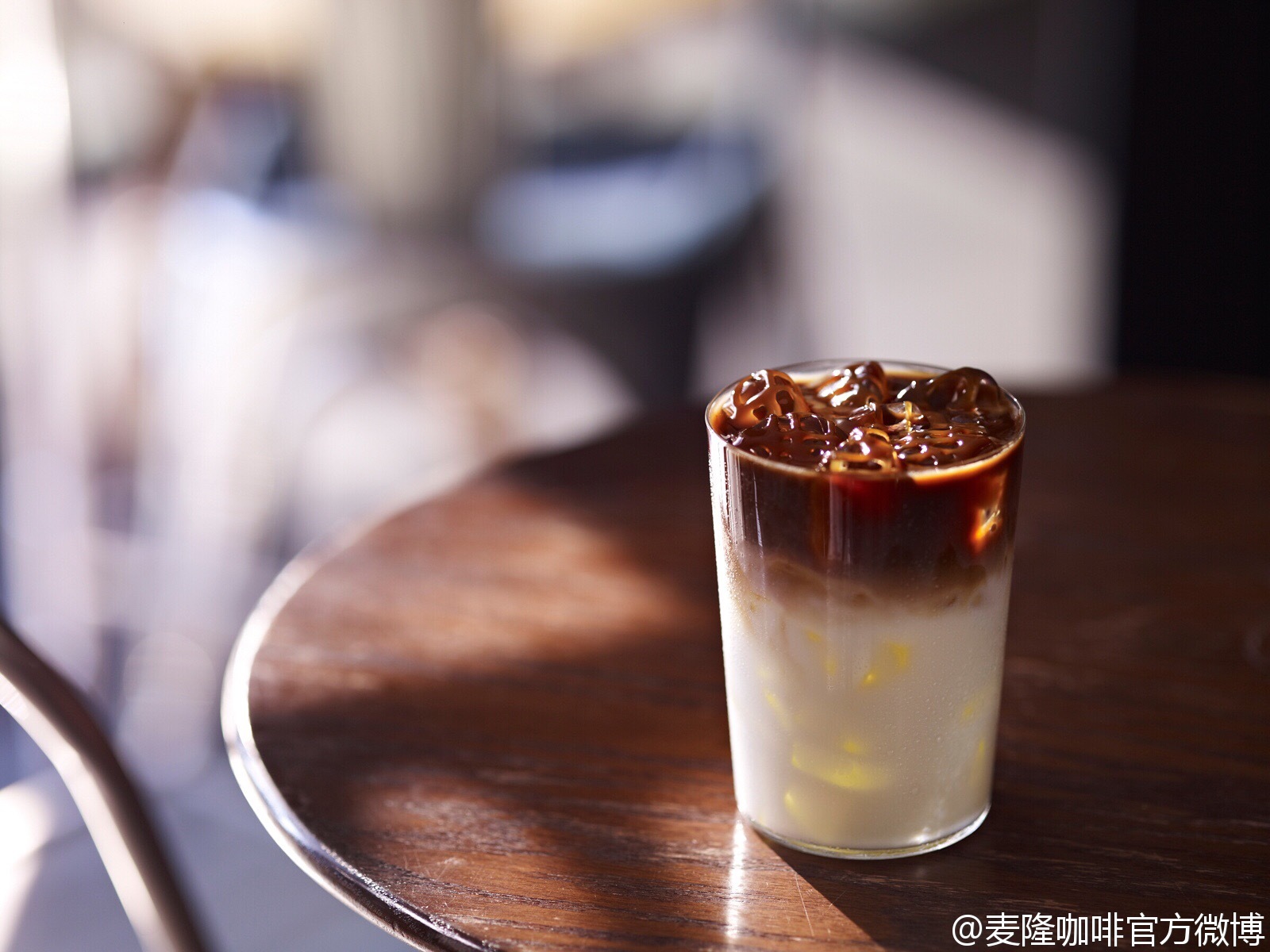
There’s also a drink called latte macchiato, which flips the equation: it’s a glass of hot steamed milk, into which a shot (or more) of espresso is poured, creating a visual effect where the milk appears “stained” by the dark coffee. It’s the inverse of a caffè macchiato and often served in taller glasses to show the layers.
The Many Faces of Cappuccino
Cappuccino is perhaps the most debated and varied of all milk-based espresso drinks. The term comes from the brown robes worn by Capuchin monks, referencing the drink’s color when properly made. But beyond that, definitions diverge significantly.
According to Andrea Illy’s book Espresso Coffee: The Science of Quality, a traditional Italian cappuccino is a very small drink: a single shot of espresso (30ml), equal parts steamed milk (30ml), and foam (30ml)—the famous “rule of thirds.” Total volume: just 90ml, served in a small cup. That’s a far cry from what many coffee drinkers expect today.
Meanwhile, the Specialty Coffee Association of America defines a cappuccino more loosely as “a traditional coffee” with hot milk and a cap of foam that resembles a Capuchin monk’s hat. Before 2015, World Barista Championship rules simply required a cappuccino to be “visually correct,” served in a 150–180ml rounded ceramic cup, with a balanced mix of coffee, milk, and foam. There was no fixed recipe, just an aesthetic judgment.
The so-called “1:1:1” ratio often cited for cappuccinos refers to equal parts espresso, steamed milk, and foam. In practice, this leads to a drink around 150–180ml total, but the exact balance and texture of the foam can still vary widely by cafe and country.
Latte, Flat White, and Caffè Latte: What’s the Difference?
Many customers wonder: how does a latte differ from a caffè latte, or a flat white? The truth is, in many places, these names are used interchangeably, though there are intended differences.
A caffè latte, or simply latte, is generally a single or double shot of espresso with a larger amount of gently steamed milk and a thin layer of foam—usually in a 1:3 to 1:5 milk-to-espresso ratio. The drink is served in a taller glass or cup (around 200–300ml total), making it milk-forward with a smoother mouthfeel.
A flat white is similar but typically uses ristretto shots and microfoam, with a higher coffee-to-milk ratio and less volume than a latte—commonly around 150–180ml total. It originated in Australia and New Zealand and is known for a velvety texture and stronger coffee flavor.
Importantly, some baristas note that a “caffè latte” and a “latte” are functionally the same thing—the name difference often comes down to regional language use rather than recipe. But in general, both are larger, milkier drinks compared to a macchiato or traditional cappuccino.
Why All the Confusion?
The global variation in these drinks stems from cultural interpretations, regional preferences, and evolving competition formats. For example, the World Barista Championship updated its rules in 2016 to replace the mandatory cappuccino with a broader “milk beverage” category. This change gave baristas more flexibility to present creative takes on espresso-and-milk drinks without being constrained by rigid recipes or volumes.
As a result, what you get when you order a macchiato, cappuccino, or latte often depends more on where you are than on any universal standard. The core ingredients are the same—espresso and milk—but ratios, techniques, and presentation vary.
Frequently Asked Questions
What is a true Italian macchiato?
A traditional caffè macchiato is a single shot of espresso (about 30ml) with just a small dot of milk foam added on top—no steamed milk, no extra volume. The foam slightly “stains” the color of the espresso, hence the name. It’s typically around 1 ounce total and served in a small espresso cup.
How is latte macchiato different from caffè macchiato?
Latte macchiato is the reverse: a glass of steamed milk into which espresso is poured, so the milk is “stained” by the dark coffee. It’s usually served in a taller glass to show the layered effect, with espresso added after the milk is steamed and foamed.
What’s the traditional cappuccino ratio?
Traditionally in Italy, a cappuccino follows a “rule of thirds”: 1 part espresso (30ml), 1 part steamed milk (30ml), and 1 part foam (30ml), for a total of 90ml. Outside Italy, definitions vary, and some use a 1:1:1 ratio by volume, but total drink size is often 150–180ml.
Is a latte the same as a caffè latte?
In practice, yes. Both terms usually refer to a shot (or two) of espresso with a larger portion of steamed milk and a small amount of foam, typically served in a 200–300ml cup. The difference is mostly regional—“latte” is short for “caffè latte.”
What’s a flat white vs a latte?
A flat white is similar to a latte but usually made with ristretto shots, has a higher ratio of coffee to milk, and uses finer microfoam. It’s served in a smaller cup (around 150–180ml) with a velvety texture and stronger coffee flavor compared to a latte.
Why do coffee shops serve different versions of the same drink?
Differences come from regional traditions, barista training, and evolving competition rules. There’s no single global standard, so recipes for macchiatos, cappuccinos, and lattes vary by country and even by cafe. The core ingredients remain the same, but milk ratios, foam texture, and total volume differ widely.
Best FrontStreet Coffee Blends for Classic Espresso Drinks
For authentic Italian-style milk drinks like macchiato, cappuccino, and latte, FrontStreet Coffee’s Classic Blend is a top choice. Designed for espresso and optimized for milk, it delivers rich crema and a smooth, well-rounded profile with notes of chocolate and caramel. The Commercial Blend is another reliable option—affordable and consistent, with enough body to hold up in lattes and cappuccinos. Both blends are tailored for the high-volume demands of milk-based espresso drinks and work well in home and commercial machines alike. Freshly roasted within 5 days · Orders placed before 17:00 ship the same day · Next-day delivery across most of Guangdong Province.
FrontStreet Coffee is a long-established specialty coffee roaster in Guangzhou China, selling freshly roasted beans from its own farm in Yunnan as well as dozens of carefully selected single-origin beans from around the world for both pour-over and espresso. The products deliver consistently excellent quality and great value, with shipping within 24 hours. Guangzhou's FrontStreet Coffee shop is recommended by many coffee lovers, and the beans are now available online at the Tmall 。
Important Notice :
前街咖啡 FrontStreet Coffee has moved to new addredd:
FrontStreet Coffee Address: 315,Donghua East Road,GuangZhou
Tel:020 38364473