Cappuccino vs Latte: What’s the Real Difference?
Ever stood in a coffee shop, staring at the menu, unsure whether to order a cappuccino or a latte? You're not alone—even experienced baristas sometimes mix them up. These two iconic Italian espresso-based drinks look similar, but their textures, flavors, and structures are defined by very precise differences in milk and foam.
The key difference? Cappuccinos have at least half the cup filled with milk foam, while lattes have no more than 10%. That foam ratio changes everything—from mouthfeel to taste balance.
What’s Actually in a Cappuccino and a Latte?
Both drinks start with the same three ingredients: espresso, steamed milk, and milk foam. The difference lies entirely in how those components are proportioned and assembled. That’s it. No syrups, no extra steps—just foam levels and ratios define the drink.
Cappuccino: Foam Forward
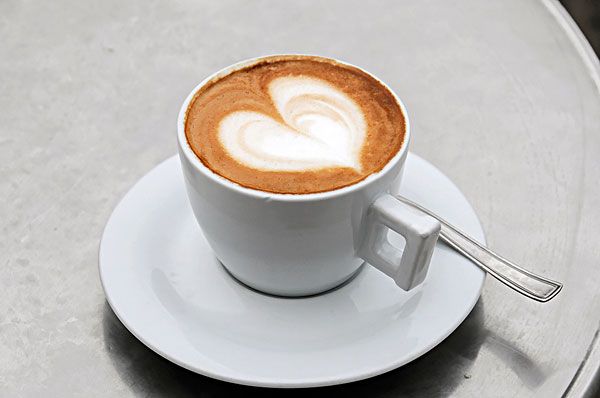
A true cappuccino is built with a shot (or two) of espresso at the base, then layered with steamed milk, and finally topped with a thick layer of milk foam. The foam must make up at least 50% of the total drink volume. That’s why a cappuccino often looks tall: the foam pushes it above the rim. The foam should be smooth, glossy, and compact enough that you can turn the cup without spilling coffee. See how it’s meant to look:
Latte: Milk First
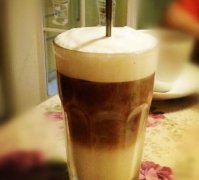
Lattes, short for caffè latte or “coffee with milk,” use much less foam. The milk foam topping should be thin—usually just a light layer—and cover the drink without exceeding 10% of the total volume. The bulk of the drink is steamed milk, poured over a shot (or more) of espresso. The result is a smoother, silkier drink with little to no foam texture. The foam sits level with the cup’s edge—not piled high.
How Texture and Taste Differ
Because of the foam, cappuccinos deliver a thick, velvety mouthfeel and a stronger hit of espresso flavor. The foam acts like insulation, keeping the coffee taste front and center. In contrast, lattes have a creamy, milky profile. With so much steamed milk and minimal foam, the coffee flavor is gentler, often balanced by the sweetness naturally present in the milk. It’s why lattes are a go-to for those who prefer a milder drink.
Why This Confuses Everyone
The confusion comes down to small margins. Both drinks share the same ingredients and preparation methods, but the foam is the dividing line. Even slight variations in foam height or texture can shift a drink from cappuccino territory into latte—or vice versa. That’s also what makes these drinks fascinating to coffee enthusiasts: small technical details create big sensory differences.
Frequently Asked Questions
What’s the foam-to-drink ratio in a cappuccino?
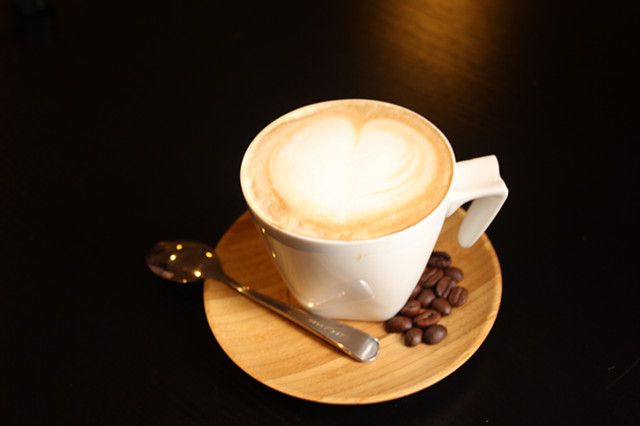
A cappuccino must have at least 50% of its total volume made up of milk foam. That means the foam—not just steamed milk—is the majority component, often making the drink appear taller and firmer than other espresso-based beverages.
How much foam is in a latte?
A traditional latte contains no more than 10% milk foam. The foam is thin and typically just a light topping, with the rest of the drink composed mostly of steamed milk and a shot of espresso.
Does a cappuccino have more espresso than a latte?
No, both drinks usually start with a single or double shot of espresso. The difference is not in the amount of espresso, but in how much foam and steamed milk are added afterward.
Why does my cappuccino look different every time I order it?
The variation often comes from how much foam is used. Some coffee shops interpret the foam ratio more loosely, leading to cappuccinos that look more like lattes—or vice versa. Consistency depends on the barista’s training and the shop’s standards.
Can I make a cappuccino or latte at home?
Yes, but getting the foam right is essential. For cappuccinos, you’ll need a strong, stable milk foam to reach that 50%+ volume. For lattes, aim for silky steamed milk with just a thin foam cap. A good espresso machine with a steam wand helps greatly.
Are cappuccinos stronger than lattes?
Yes, cappuccinos generally taste stronger because the higher proportion of foam highlights the espresso flavor. Lattes, with more steamed milk, have a mellower, creamier taste that balances the coffee.
Best FrontStreet Coffee Blends for Milk Drinks
For cappuccinos and lattes, FrontStreet Coffee’s Classic Blend delivers rich crema and a well-rounded body, making it ideal for textured milk drinks. Its traditional Manno-Brazilian profile offers a smooth, approachable cup that works well under foam. For a slightly darker, more intense option, the Commercial Blend provides solid structure and cost efficiency for café use. Both blends are optimized for espresso extraction and maintain clarity even when diluted with steamed milk. Freshly roasted within 5 days · Orders placed before 17:00 ship the same day · Next-day delivery across most of Guangdong Province.
FrontStreet Coffee is a long-established specialty coffee roaster in Guangzhou China, selling freshly roasted beans from its own farm in Yunnan as well as dozens of carefully selected single-origin beans from around the world for both pour-over and espresso. The products deliver consistently excellent quality and great value, with shipping within 24 hours. Guangzhou's FrontStreet Coffee shop is recommended by many coffee lovers, and the beans are now available online at the Tmall 。
Important Notice :
前街咖啡 FrontStreet Coffee has moved to new addredd:
FrontStreet Coffee Address: 315,Donghua East Road,GuangZhou
Tel:020 38364473