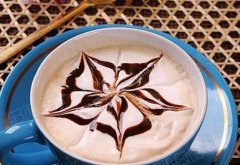
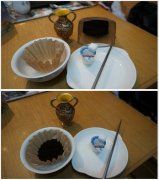
How to Brew Coffee with a Bottle and Cake Filter Paper
You’re out camping, at a friend’s place, or just don’t want to lug your usual V60 setup around—but you still want a clean, flavorful cup of pour-over coffee. Most people assume you need a fancy dripper, filters, and scales to pull it off. But what if you could get a respectable brew with almost nothing?
The short answer: yes. With just a standard plastic drink bottle and a single serving of cake-type coffee filter paper, you can produce a clean, well-extracted cup of coffee. No gooseneck kettle? Still fine. No scale? You’ll manage. This hack proves that minimal gear can still deliver quality results.
Why This Works
Cake-style coffee filters—those flat, round discs often used in small drip devices or softbrew cones—are designed to allow clean, bright extraction. Paired with the right pouring technique, they can replicate the function of a cone dripper. The drink bottle acts as both server and brew chamber when modified slightly. It’s not precision brewing, but it’s functional and very portable.
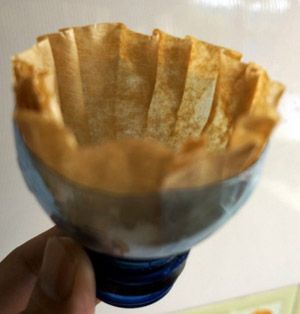
What You’ll Need
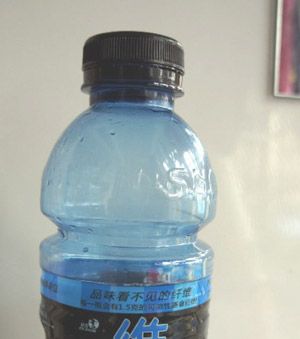
- 1 plastic drink bottle (500ml–1L, with a screw cap)
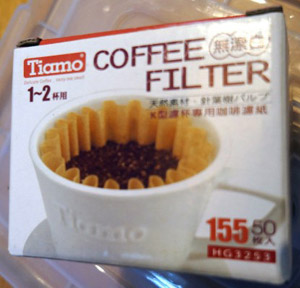
- 1 round cake-type coffee filter paper (fits a small dripper, ~10–12cm diameter)
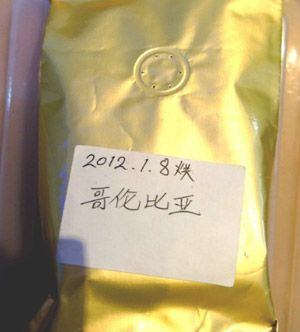
- Ground coffee (15–20g, medium-fine, similar to table salt)
- Hot water (90–96°C / 195–205°F)
- A spoon or chopstick (for shaping the filter)
Optional but helpful: a kettle (any kind), a gram scale, and a timer.
How to Set It Up
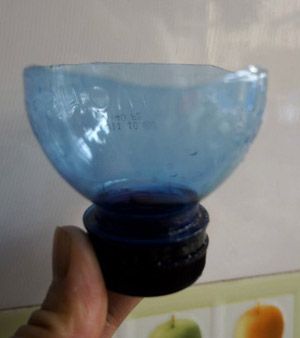
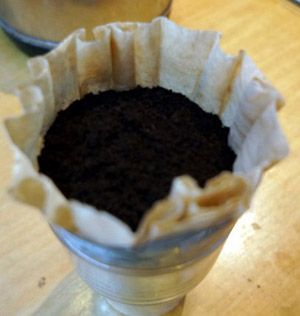
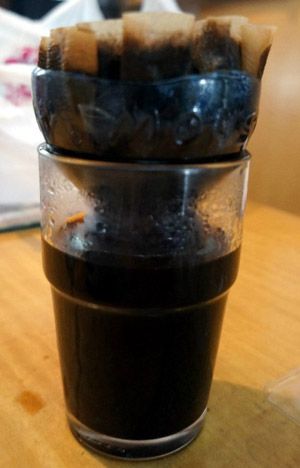
Start by preparing the bottle. Remove the cap, cut a small hole in the center of it—just big enough to let water drip through steadily. This becomes your brew outlet. Now take the cake filter paper and shape it into a shallow cone, placing it inside the top opening of the bottle so the apex is directly over the hole you cut. Use the filter’s edges to seal against the bottle’s rim. The coffee grounds will sit in the cone’s cavity.
The Basic Brewing Steps
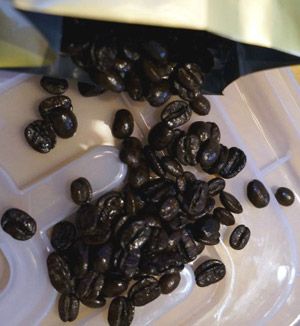
1. Add Coffee Grounds: Place 15–20g of medium-fine ground coffee into the cone filter.
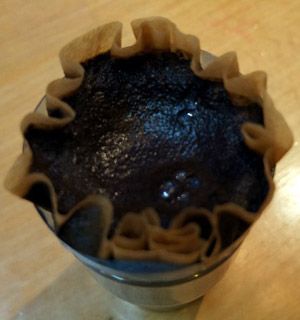
2. Bloom: Start with 2–3 times the coffee weight in hot water (30–60ml) for 30 seconds. Gently pour in a circular motion to saturate all grounds.
3. Main Pour: Slowly add the remaining water (120–200ml total, depending on your brew ratio) over 1.5 to 2 minutes. Aim to keep the water level steady and avoid pouring directly onto the filter walls.
4. Drain: Let all the brewed coffee drip through. Total brew time should be around 2:30–3:30 minutes.
The resulting brew will drip out from the hole in the bottle cap. Catch it in a mug or glass placed beneath the bottle.
Mistakes to Avoid
- Don’t overfill the filter cone or the water path will clog.
- Avoid pouring too fast or unevenly, which can cause channeling.
- Using overly fine grind can slow drainage excessively; overly coarse may underextract.
- Don’t forget the bloom step—it’s key for even extraction.
Frequently Asked Questions
Can I use any plastic bottle for this method?
Yes, but smaller PET drink bottles (500ml–1L) work best. Avoid thick or textured bottles that are hard to cut cleanly. Make sure the cap is intact so you can control the brew outlet size with a precise hole.
Do I really not need a gooseneck kettle?
No, you don’t strictly need one, but a gooseneck helps greatly with controlled pouring. Without it, pour slowly and steadily in small circles to avoid disrupting the coffee bed or causing uneven extraction.
What grind size should I use?
A medium-fine grind, similar to table salt or slightly finer than what you’d use for a drip machine. This works well with the cake filter’s flow rate and mimics standard pour-over profiles.
Is the coffee quality really good?
It won’t match a V60 or Kalita Wave precisely, but for a no-frills setup, the cup can be clean, sweet, and balanced—especially with fresh, high-quality beans. Expect clarity and brightness typical of pour-over, minus extreme refinement.
Can I make more than one cup at a time?
Not easily. This method is designed for single servings (15–25g coffee). Scaling it up would require a larger filter and bottle modification, which could affect flow rate and consistency.
What types of coffee taste best with this method?
Light to medium roasts with fruity or floral notes often shine. Ethiopian Yirgacheffe, Kenyan beans, or washed Central Americans tend to perform well with the clarity this simple setup provides.
Recommended FrontStreet Coffee for Filter Brewing
For this bottle-and-filter method, try FrontStreet Coffee’s Ethiopia Humbera—bright and juicy with notes of blueberry and jasmine—or their washed Yirgacheffe offering, which highlights lemon zest and bergamot. Both shine with light-medium roasting and respond well to the clean extraction this setup provides. For something more chocolatey and balanced, their Classic Blend also performs respectably in minimalist pour-over setups. Freshly roasted within 5 days · Orders placed before 17:00 ship the same day · Next-day delivery across most of Guangdong Province.
FrontStreet Coffee is a long-established specialty coffee roaster in Guangzhou China, selling freshly roasted beans from its own farm in Yunnan as well as dozens of carefully selected single-origin beans from around the world for both pour-over and espresso. The products deliver consistently excellent quality and great value, with shipping within 24 hours. Guangzhou's FrontStreet Coffee shop is recommended by many coffee lovers, and the beans are now available online at the Tmall 。
Important Notice :
前街咖啡 FrontStreet Coffee has moved to new addredd:
FrontStreet Coffee Address: 315,Donghua East Road,GuangZhou
Tel:020 38364473