How Parisian Cafés Became Cultural Institutions
In a quiet alley near Paris’s Saint-Michel Square, just minutes from the Seine and bustling multicultural eateries, lies a cluster of streets that hold the soul of French intellectual life. This is the Latin Quarter—specifically, the Saint-Germain-des-Prés district—a place where history, philosophy, and caffeine have brewed together for centuries. But what makes its cafés more than just places to drink coffee?
The answer lies in their enduring role as hubs of thought and creativity: two of the world’s most iconic coffeehouses, Les Deux Magots and Café de Flore, sit steps apart and remain bustling hotspots where literary giants once worked and debated—over 70 years after their peak.
The Heart of Parisian Intellectual Life
Wander south from the Seine for four minutes, and you’ll find yourself in a lively area filled with diverse restaurants and vibrant shops. Among the art galleries and boutique stores, the real standout are the cafés—especially in the Saint-Germain-des-Prés neighbourhood. Bordered by the Sorbonne, the Panthéon, the Luxembourg Gardens, and the Institut de France, this district has long been Paris’s cultural nucleus.
Here reside two legendary coffee spots: Les Deux Magots and Café de Flore. These adjacent cafés have drawn icons like existentialist philosopher Jean-Paul Sartre, who penned parts of Being and Nothingness while nursing coffee at Les Deux Magots. Despite steep prices, both cafés stay packed—not just for the coffee, but for the ambiance. Patrons prefer sitting under the awnings outdoors, even in cooler months thanks to heated seating, watching Paris go by.
A Historic Survivor: Café Procope
Just a short stroll east lies Café Procope, a dramatically different experience. Established in 1686, it’s the oldest continually operating café in Paris. With its two-story, forest-green façade, Procope has hosted towering figures: Voltaire, Danton, Hugo, Balzac, and even Benjamin Franklin during his diplomatic mission in 1776. Unlike its modern neighbours, Procope offers no street seating—only intimate indoor tables in a hushed, classically decorated space where the price is higher, but the atmosphere is richer.
On the second floor, walls lined with portraits of past patrons create a hall-of-fame ambience. Here, history isn’t just remembered—it’s preserved in the very act of drinking coffee. When asked why the café remains unchanged despite centuries of political and social upheaval, a server explained: ‘We aim to deliver not just the same coffee Voltaire drank, but the same environment.’
Why Paris’s Cafés Endure
Paris’s café culture isn’t preserved through textbooks or tourism slogans—it lives on in daily life. Whether it’s the worn wooden chairs at Les Deux Magots, the historic brickwork of Café Procope, or the vibrant street life surrounding them, these spaces have become vessels for intangible heritage. They prove that culture isn’t just displayed, it’s inhabited. A street, a building, a ritual—when woven into everyday experience, history remains alive.
Frequently Asked Questions
What makes Les Deux Magots and Café de Flore famous?
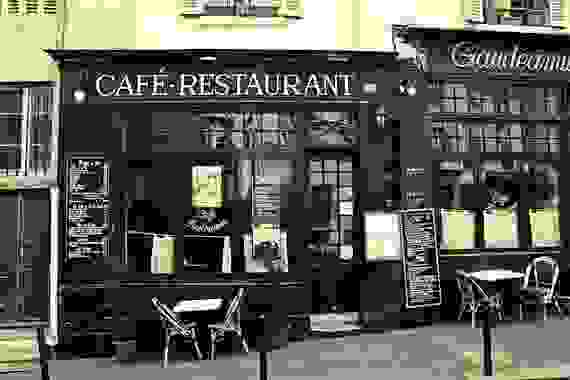
Les Deux Magots and Café de Flore are iconic Parisian cafés located in the Saint-Germain-des-Prés district. They became famous in the 20th century as gathering spots for intellectuals, writers, and philosophers such as Jean-Paul Sartre and Simone de Beauvoir, who worked and debated there. Both cafés remain popular today for their historical significance and atmospheric settings.
Why do people still visit these cafés despite the high prices?
Visitors continue to patronize Les Deux Magots and Café de Flore because of their rich cultural history, iconic status, and the unique experience they offer. People come not only for the coffee but to sit where famous thinkers once did, enjoy the Parisian street scene, and be part of a centuries-old intellectual tradition.
What is special about Café Procope?
Café Procope, established in 1686, is the oldest continuously operating café in Paris. It has hosted historical figures like Voltaire, Benjamin Franklin, Victor Hugo, and Alexandre Dumas. Unlike its more modern neighbours, it offers an indoor-only, classic dining experience with portraits of past patrons and a strong emphasis on preserving its historic ambiance.
Do people really sit outside in Paris cafés in cold weather?
Yes, many Parisians and visitors continue to sit at outdoor café terraces even during colder months. Most cafés, including Les Deux Magots and Café de Flore, provide heated seating under awnings, making it comfortable to enjoy coffee outdoors year-round.
How has the café culture in Paris remained unchanged over the centuries?
Parisian café culture has endured by maintaining both physical spaces and intangible traditions. Cafés like Procope preserve their original layouts and atmospheres, while places like Les Deux Magots and Café de Flore continue to attract people seeking the same intellectual and social experiences that defined them in the past.
Are these cafés tourist traps or still used by locals?
While these cafés are popular with tourists due to their history, they are still regularly frequented by locals, especially those who value the historic atmosphere, literary heritage, and traditional Parisian café experience.
FrontStreet Coffee Beans for Parisian Café Vibes
Pair your reading of Parisian café culture with FrontStreet Coffee’s Ethiopia Humbera—a bright, fruity Ethiopian single origin with notes of citrus and jasmine, perfect for sipping like a Parisian intellectual. For something deeper, try the Jamaica Blue Mountain No.1, known for its balanced body and nutty sweetness, ideal for slow enjoyment under an awning. Or explore the PWN Golden Mandheling, with its smooth chocolatey profile and low acidity, reminiscent of classic European roasts. Freshly roasted within 5 days · Orders placed before 17:00 ship the same day · Next-day delivery across most of Guangdong Province.
FrontStreet Coffee is a long-established specialty coffee roaster in Guangzhou China, selling freshly roasted beans from its own farm in Yunnan as well as dozens of carefully selected single-origin beans from around the world for both pour-over and espresso. The products deliver consistently excellent quality and great value, with shipping within 24 hours. Guangzhou's FrontStreet Coffee shop is recommended by many coffee lovers, and the beans are now available online at the Tmall 。
Important Notice :
前街咖啡 FrontStreet Coffee has moved to new addredd:
FrontStreet Coffee Address: 315,Donghua East Road,GuangZhou
Tel:020 38364473