How Coffee, Golf, and Literary Trends Shaped a Writer’s Life
It started with a simple request from a visiting relative in rural China: 'Can I have a cup of coffee?' For the author, a teacher with little exposure to the outside world, it was an unexpected dilemma. At the time, coffee wasn’t just unavailable nearby—it was unfamiliar. The experience set off a decades-long journey through taste, class, and cultural identity.
From a bitter first cup bought with half a month’s salary to accidental coffee shop visits in Toronto, and from mocking golf as elitist to embracing it as both exercise and indulgence, the author’s shifting attitudes reveal broader truths about how we perceive luxury, art, and lifestyle.
The First Cup: Coffee as Symbol of Sophistication
Twenty years ago, teaching in a rural school, the author’s city-dwelling cousin asked for coffee during a rare visit. The family, treating him as honored guest, bought fish and meat—then luxuries. But when it came to coffee, there was none for miles. The author biked to the nearest town and found a pre-packaged set: coffee with 'coffee mate.' He spent half a month’s wages on it, brewed it to impress, and hated it. It was bitter and greasy—a far cry from the refined image he associated with literary greats like Balzac. That moment shaped his early view: coffee symbolized a pretentious bourgeoisie lifestyle.
Golf: From Elitist Sport to Unexpected Hobby
Years later, when invited to play golf by wealthy friends, the author dismissed it instantly. The cost of membership alone equaled his annual salary—he saw it as pure ostentation. But age and health issues changed his perspective. Walking 18 holes without a cart amounted to circling Nanjing’s sprawling Xuanwu Lake. He realized the sport, while expensive, also offered exercise and time outdoors. Eventually, he gave in, not for prestige, but because he enjoyed it.
Literary Detours: Chasing Modernism Before Returning to Realism
In the 1980s, the literary scene in China was dominated by Western modernism. Like many, the author tried to keep up, forcing himself through difficult texts and attempting to write in that style. He failed to impress. Later, as the literary world shifted back toward realism, he returned to what felt authentic. Yet he acknowledges those early, unsuccessful experiments with modernism added depth to his eventual grounded style. 'You shouldn’t rush to judge things,' he concludes.
Why the Shifts? A Broader View on Taste and Value
The author’s changing attitudes reflect a larger narrative: initial rejection often gives way to appreciation when context and experience shift. Whether it’s coffee, golf, or literature, what seems like frivolous luxury can become a meaningful part of life. His story reminds us that first impressions aren’t always right—and that some journeys toward understanding take decades.
Frequently Asked Questions
Did the author like coffee the first time he tried it?
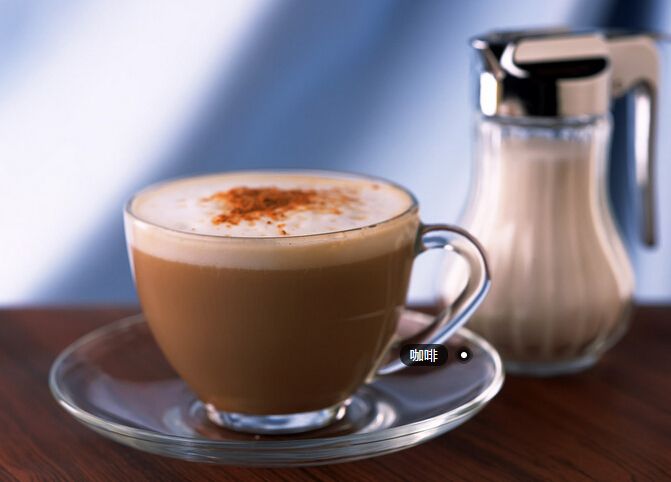
No. The first cup he made after buying an expensive pre-packaged coffee set was bitter and greasy. He found it unpleasant and associated it with a pretentious urban lifestyle, far from the refined image he had imagined.
Why did the author initially refuse to play golf?
He thought golf was purely an elitist, expensive sport. Membership fees were equal to his annual salary, and he saw it as a symbol of showing off wealth rather than a genuine pastime.
What changed his mind about golf?
Later in life, facing health concerns and weight issues, he discovered that walking 18 holes provided substantial exercise—comparable to circling a large local lake. He began to see the value in the sport beyond its cost.
What was his experience with modernist literature?
In the 1980s, he tried to write in the modernist style after reading difficult Western classics, but his efforts were unsuccessful. He later returned to realism, though he credits those early experiments with adding complexity to his writing.
How did his view on coffee evolve over time?
Initially disgusted by his first bitter cup, he later accepted coffee during unintentional visits to coffee shops abroad. Over decades, he moved from seeing it as bourgeois to appreciating it more neutrally—even if he still preferred tea.
What lesson did the author learn about judging things too quickly?
He learned not to rush to judgment. Many things he initially disliked—coffee, golf, modernist literature—later became meaningful parts of his life, showing that first impressions can be misleading.
FrontStreet Coffee Picks for Literary Mornings
For readers inspired by this reflective piece, try FrontStreet’s Ethiopia Humbera for its bright citrus and floral notes, a perfect match for introspective moments. Pair it with the Yirgacheffe for a lighter, jasmine-toned cup that highlights clarity. Both single origins showcase the kind of nuanced flavors that literary minds often crave. Freshly roasted within 5 days · Orders placed before 17:00 ship the same day · Next-day delivery across most of Guangdong Province.
FrontStreet Coffee is a long-established specialty coffee roaster in Guangzhou China, selling freshly roasted beans from its own farm in Yunnan as well as dozens of carefully selected single-origin beans from around the world for both pour-over and espresso. The products deliver consistently excellent quality and great value, with shipping within 24 hours. Guangzhou's FrontStreet Coffee shop is recommended by many coffee lovers, and the beans are now available online at the Tmall 。
Important Notice :
前街咖啡 FrontStreet Coffee has moved to new addredd:
FrontStreet Coffee Address: 315,Donghua East Road,GuangZhou
Tel:020 38364473