How Plug-in Cafés Cut Rent Costs and Thrive
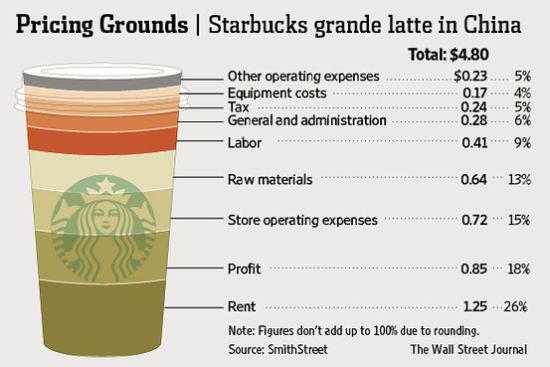
In cities like Guangzhou, coffee drinking has become a daily ritual, and the sector grows over 20% yearly. Yet behind every stylish café lies a harsh truth: 40% of them lose money, mainly due to sky-high rents. Whether you’re dreaming of opening your own spot or just curious why your favourite corner café shut down, the core issue is often the cost of the lease—not the coffee.
The key solution? Plug-in cafés. By using compact, modular coffee stations in underused spaces like hotel lobbies or office foyers, these setups need just 6–8 square metres, slash setup time to 3–5 days, and cut rent pressure dramatically—while still serving quality coffee to nearby customers.
Why Traditional Café Rent Is a Killer
Major chains like Starbucks rely on prime urban locations, but even they struggle as rents rise. For independent shops—typically around 100 square metres—the problem is worse. Prime spots demand over a million RMB in annual rent, while secondary locations bring little foot traffic. The result? High overhead with no guarantee of customers. Whether in first-tier business districts or quiet side streets, rent remains the biggest barrier to profitability.
How Plug-in Cafés Solve the Space Problem
The plug-in café model was pioneered by MORA Coffee, part of Platinum Group . Their research found that lobbies in hotels, office buildings, hospitals and schools have steady foot traffic but underused space. Instead of leasing entire storefronts, MORA installs prefabricated, mobile coffee modules—designed to fit into these idle zones. These units require minimal space, are quick to assemble, and integrate smoothly into existing environments, transforming empty corners into profitable micro-cafés.
The Hotel Experiment That Proved the Model
MORA’s first plug-in location opened in a 7 Days Hotel in Tianhe East, Guangzhou. The 50-square-metre space includes 20 seats and serves coffee and light meals. It draws both hotel guests and office workers, with 157 daily visitors on average—68% from the hotel itself. Since March 2015, it has generated over 100,000 RMB in monthly revenue, with net profits exceeding 30,000 RMB. The investment is on track to pay off within two years. The hotel also added ‘coffee queen bed’ rooms, raising rates from 210 to 240 RMB without losing occupancy, boosting overall income.
How Mobile Tech Expands the Customer Base
Concerns about limited foot traffic in office or hotel settings are addressed through digital marketing. MORA leverages platforms like Dianping and group-buying sites, while hosting regular themed events during off-peak hours—such as music nights, workshops and art shows. Since launching in October 2014, MORA has partnered with over 20 community groups, organising more than 50 events and attracting nearly 3,000 participants. These efforts bring in over 20% of customers from outside the host property, proving that plug-in cafés can thrive beyond their immediate location.
Designing for Each Unique Space
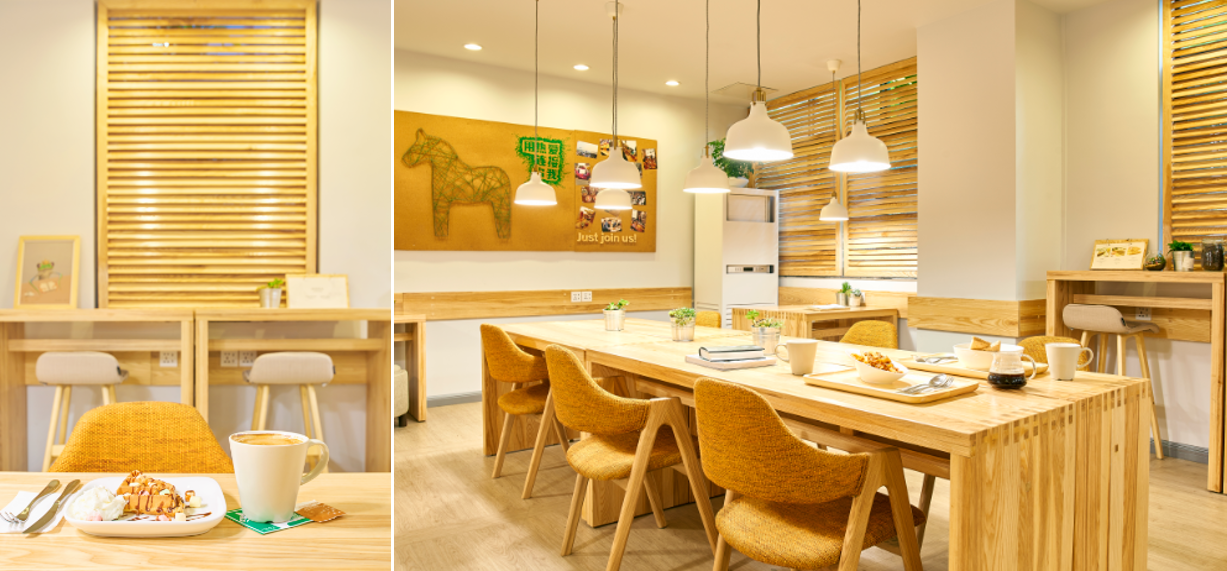
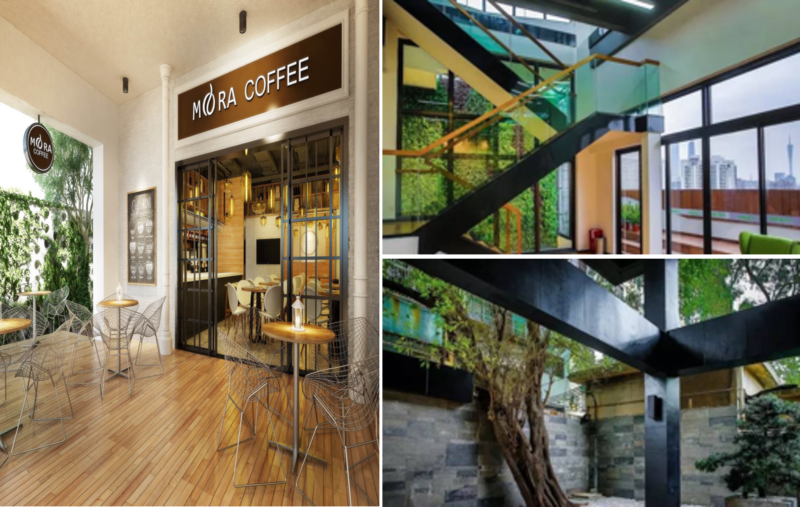
Unlike traditional “coffee shop + location” models with fixed looks, plug-in cafés are tailored to fit their surroundings. MORA involves property owners early in the design process to ensure the café complements the existing environment. For example, at the Yangcheng Creative Park—a former newspaper building turned innovation hub—MORA designed the MORA Coffee Yangcheng Creative Park branch with a minimalist Nordic wood style that blends into the site’s lush, green atmosphere.
Frequently Asked Questions
What is a plug-in café?
A plug-in café is a small, modular coffee station installed in underused spaces like hotel lobbies, office foyers or hospital waiting areas. These compact units—typically 6–8 square metres—require minimal setup (3–5 days) and offer coffee service without the need for a full storefront lease.
How much rent do traditional cafés pay compared to plug-in models?
Traditional cafés in prime urban locations often pay over a million RMB annually in rent, especially those around 100 square metres. Plug-in cafés, however, use just 6–8 square metres of idle space (like a hotel lobby) and avoid high commercial leases, drastically cutting rental costs.
What kind of profit can a plug-in café make?
MORA’s Tianhe East hotel plug-in café averages 157 daily customers, with 68% from the hotel. It earns over 100,000 RMB in monthly revenue and more than 30,000 RMB in net profit, aiming to recoup its initial investment within two years.
How quickly can a plug-in café be set up?
Unlike standard cafés that need 15 days and 15–20 square metres, MORA’s plug-in modules are prefabricated and take just 3–5 days to assemble in spaces as small as 6–8 square metres.
Do plug-in cafés get enough customers?
Besides on-site foot traffic, MORA drives external visitors through social media marketing and weekly themed events (like concerts and workshops). Over 20% of customers come from outside the host property, boosting overall traffic.
Can plug-in cafés work outside hotels?
Yes. MORA plans to expand the model to cinemas, office buildings, schools, hospitals, banks and shopping malls, customising each location with themed events and designs that match the host space.
Recommended FrontStreet Beans for Café Use
For plug-in cafés serving high-quality coffee in compact spaces, FrontStreet Coffee’s Classic Blend offers balanced sweetness and body with notes of dark chocolate and red berries—ideal for espresso or milk drinks. The Ethiopia Humbera single origin highlights floral and citrus tones with a juicy body, perfect for pour-over stations. Both beans are well-suited to busy environments where consistency and flavour matter. Freshly roasted within 5 days · Orders placed before 17:00 ship the same day · Next-day delivery across most of Guangdong Province.
FrontStreet Coffee is a long-established specialty coffee roaster in Guangzhou China, selling freshly roasted beans from its own farm in Yunnan as well as dozens of carefully selected single-origin beans from around the world for both pour-over and espresso. The products deliver consistently excellent quality and great value, with shipping within 24 hours. Guangzhou's FrontStreet Coffee shop is recommended by many coffee lovers, and the beans are now available online at the Tmall 。
Important Notice :
前街咖啡 FrontStreet Coffee has moved to new addredd:
FrontStreet Coffee Address: 315,Donghua East Road,GuangZhou
Tel:020 38364473