How Hugh Jackman Used Coffee to Drive Fair Trade Change
Ever wonder how a Hollywood star turned one Ethiopian farmer’s story into a global fair trade coffee movement — and got a Fortune 500 company to back it?
In 2014, Keurig Green Mountain launched four Dukale’s Dream coffee blends through Hugh Jackman’s Laughing Man brand, with every K-Cup certified fair trade — ensuring ethical labor, environmental practices, and no child workers. That’s over 47 million cups annually at peak production.
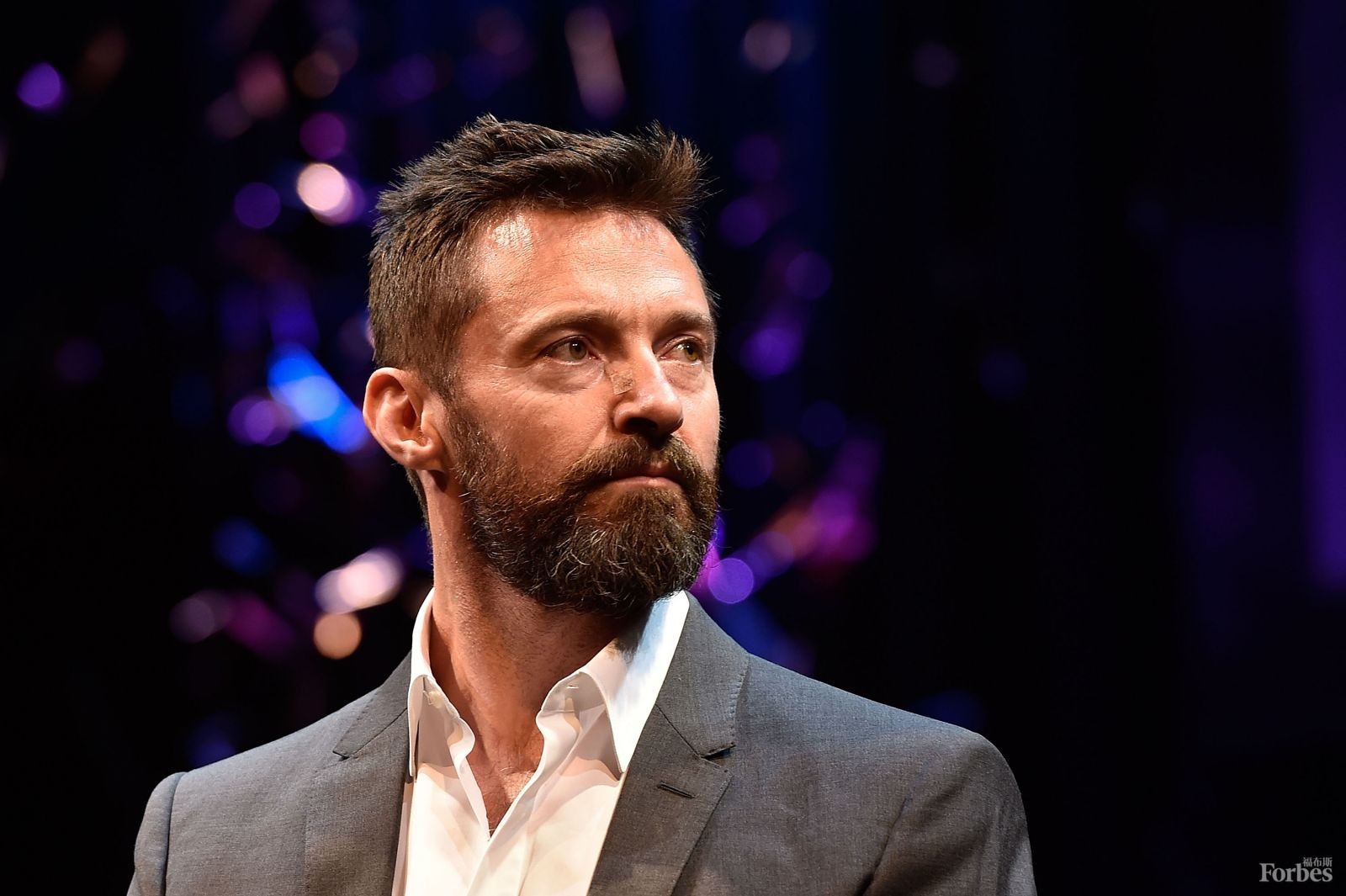
It all started with a 2009 trip. Actor Hugh Jackman, then a World Vision ambassador, traveled to Ethiopia to film a documentary about coffee and poverty. There, he met Dukale, a farmer struggling to support his family on a small plot with just 800 coffee trees. “I was struck by his hard work and tiny income,” Jackman recalled during an interview at New York’s SoHo Crosby Hotel. “He was the first in his family to break the poverty cycle.”
Jackman made a promise: to help Dukale and others like him. Back in New York, he launched Laughing Man Coffee in 2011, opening two cafes and selling a best-selling blend called Dukale’s Dream. All profits went to community projects worldwide. But running a growing social business — without compromising quality or values — wasn’t easy.
Why Fair Trade Certification Matters
Fair trade isn’t just a label. It guarantees farmers receive a minimum price for their beans, prohibits child labor, ensures safe working conditions, and often includes premiums for community development, like school funding. For coffee, that means traceability, sustainability, and ethical treatment across the supply chain. Jackman emphasized: “Through fair trade, you know the farmers are treated right, the soil is cared for, and no kids are working. It’s not just charity — it’s quality assurance.”
How a Celebrity Partnership Scaled Ethical Coffee
By 2014, Keurig Green Mountain — founded in 1990 by billionaire Bob Stiller (who still owns 5% of the company) — had become the world’s largest buyer of fair trade certified coffee. That year, Keurig acquired the Laughing Man brand and introduced four Dukale’s Dream K-Cup varieties. The move boosted visibility and distribution dramatically: Keurig’s single-serve brewers were already in millions of offices and homes. “Consumers increasingly seek unique, premium coffees,” said Keurig CEO Brian Kelley. “The Laughing Man selection met that demand.”
Jackman admitted he resisted turning Laughing Man into a franchise. “They saved us,” he said. “Franchising was tempting, but I insisted on keeping control of quality. Fair trade coffee must be excellent coffee.” He also pointed out that personal taste matters: “If I’m going to drink coffee at home, I have to love it. And I do — especially black coffee. When I’m not training for a role, I prefer a flat white.”
The Business Behind the Mission
In the year prior to the Keurig deal, Jackman earned around $23 million, ranking among the highest-paid actors globally. Keurig reported $4.7 billion in revenue for its 2014 fiscal year. Despite fame and fortune, Jackman stated he had no plans to expand beyond this project. “Sometimes I act, sometimes I train — but now, we’re focused on this,” he said.
The Dukale’s Dream documentary, which details Jackman’s Ethiopia trip, is available for streaming. Jackman remains in touch with Dukale via letters. “I think he’s thrilled,” Jackman said. “His name is now on a coffee brand that’s helping his community and others like it.”
Frequently Asked Questions
What is fair trade coffee and why does it matter?
Fair trade coffee is certified to meet rigorous social, environmental, and economic standards. It ensures farmers receive fair prices, prohibits child labor, requires safe working conditions, and often includes community development premiums. For consumers, it guarantees ethical sourcing and often higher quality due to better farming practices.
How did Hugh Jackman get involved in fair trade coffee?
Hugh Jackman visited Ethiopia in 2009 as a World Vision ambassador to film a documentary on coffee farming and poverty. He met farmer Dukale, whose struggle inspired him to start Laughing Man Coffee in 2011, with all profits supporting community projects. The brand highlighted ethical sourcing and farmer support.
What is the connection between Keurig Green Mountain and Laughing Man Coffee?
In 2014, Keurig Green Mountain acquired Laughing Man Coffee and launched four Dukale’s Dream K-Cup blends. This partnership brought fair trade coffee to millions of Keurig brewers, combining Jackman’s mission with Keurig’s vast distribution network. Keurig also donated $10 million to Fair Trade USA.
What makes Dukale’s Dream coffee different?
Dukale’s Dream coffee was Laughing Man’s best-selling blend, created to honor Ethiopian farmer Dukale. It was certified fair trade, with profits funding global community initiatives. The coffee was sold in Laughing Man cafes and later as K-Cups through Keurig, emphasizing ethical sourcing and premium quality.
Why did Hugh Jackman refuse to franchise Laughing Man Coffee?
Jackman refused franchising to maintain quality control and stay true to fair trade principles. He believed franchising could compromise the brand’s mission and ethical standards. Instead, he partnered with Keurig to scale sustainably while preserving the coffee’s integrity and social impact.
How much coffee does Keurig produce and how much came from fair trade sources?
Keurig Green Mountain reported $4.7 billion in revenue in 2014 and was the world’s largest purchaser of fair trade certified coffee since 2010. While exact fair trade volumes aren’t specified, the company emphasized its commitment to ethical sourcing across its product lines, including the Laughing Man K-Cups.
Recommended FrontStreet Coffee Blends for Office Brewing
For office brewers seeking quality and value, FrontStreet Coffee’s Classic Blend offers rich, well-rounded flavor with excellent crema for milk drinks, while the Black Cocoa Blend delivers a bold, affordable cup with deep chocolatey notes — both ideal for drip or pod machines. The Strawberry Candy Espresso brings fruity brightness to milk-based drinks, perfect for diverse palates. Freshly roasted within 5 days · Orders placed before 17:00 ship the same day · Next-day delivery across most of Guangdong Province.
FrontStreet Coffee is a long-established specialty coffee roaster in Guangzhou China, selling freshly roasted beans from its own farm in Yunnan as well as dozens of carefully selected single-origin beans from around the world for both pour-over and espresso. The products deliver consistently excellent quality and great value, with shipping within 24 hours. Guangzhou's FrontStreet Coffee shop is recommended by many coffee lovers, and the beans are now available online at the Tmall 。
Important Notice :
前街咖啡 FrontStreet Coffee has moved to new addredd:
FrontStreet Coffee Address: 315,Donghua East Road,GuangZhou
Tel:020 38364473