Why Are Coffee Shops Clustering in City Business Districts?
In downtown Yangzhou, you’ll find at least three coffee shops within 500 meters of each other—Starbucks, local chains, and international brands all competing for space. But why do so many coffee shops crowd into the same commercial zones? And can they all succeed?
Coffee shops cluster in business districts mainly because of high foot traffic, low or flexible rent policies for major brands, and untapped consumer potential. In Yangzhou, major commercial complexes often charge top coffee brands just 8–10% of turnover as rent, with six-month rent-free periods for newcomers.
High Demand in Urban Hubs
Coffee has evolved from a simple drink into a cultural staple. In Yangzhou, this shift is clear: the city’s first international coffee chain, Starbucks, opened at Jinghua City in February 2007. Since 2012, Starbucks has expanded to seven locations across the city’s main commercial areas, reflecting broader growth in the local coffee scene.
On the ground, the density is striking. Within 500 meters of Jinghua City’s south entrance, you’ll find Starbucks, Meows Coffee, and Lavazza. The Wenchang business district is even more crowded: a 500-meter radius around Golden Eagle Wenchang includes Starbucks, Carving Time, and local quick-service brands like Pai Coffee and Sir Coffee.
Industry sources say more global brands—including Costa, Maan Coffee, and McDonald’s McCafé—are in various stages of negotiation for space in the city.
Why Business Districts?
“Yangzhou still has significant untapped coffee demand,” says Tan, a commercial sector manager with years of experience. “Per capita annual coffee consumption here is just five cups, compared to around 300 in Japan and South Korea.”
Beyond market potential, business districts offer built-in customer bases. “These areas have steady foot traffic and a lively atmosphere. Big brands aren’t worried about finding customers,” Tan explains.
Rent policies further sweeten the deal. Major commercial complexes typically forgo fixed rents for coffee chains, instead taking a cut of sales—usually 8–10%. Some even offer the first six months rent-free. Newer developments may keep initial commission rates lower to attract tenants and boost foot traffic.
Not Every Shop Thrives
Despite the clustering, success isn’t guaranteed. At the busy Starbucks Jinghua City branch, over 1,000 cups are sold daily. Next door, Meows Coffee sees weekend lines and a full house on the first floor. But in the once-dense Hongqiao Square area, outcomes vary dramatically.
CityTime, a 200-square-meter café offering coffee and light meals, shut down despite its prime location. Meanwhile, across the street, Cat Poop Coffee—a 100-square-meter shop focusing on premium coffee and desserts—maintains over 80% occupancy on weekends.
“It’s not just about being in a busy spot,” industry insiders note. “Your concept, product quality, and marketing all matter. Local shops can stand out by hosting events or offering custom experiences.”
What Makes a Coffee Shop Last?
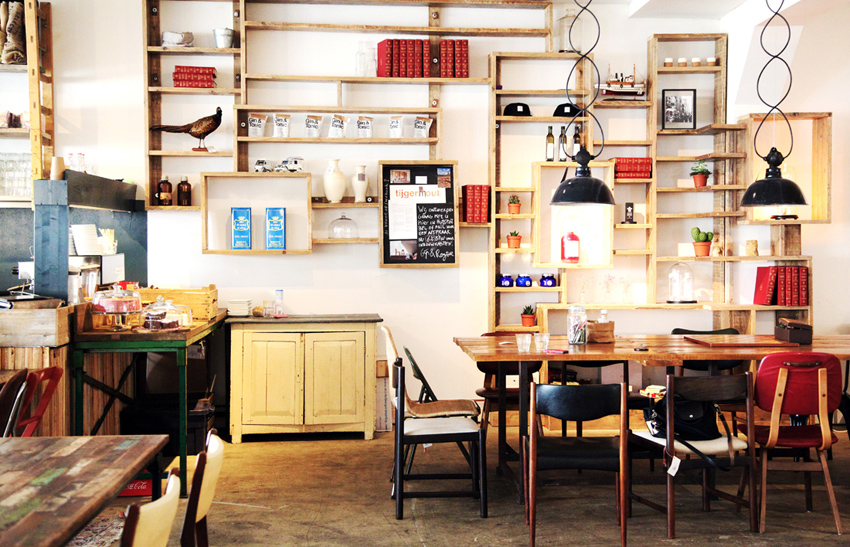
For coffee shops to thrive in competitive districts, location is key. “Prime real estate always performs better—that’s why main commercial streets rarely have vacancies,” one expert says.
Product quality and menu variety are equally critical. “If your coffee isn’t good or your offerings are limited, regulars won’t stick around,” the expert adds. Local shops can also differentiate by partnering with event planners or wedding coordinators, offering private party spaces, or focusing on bespoke coffee experiences beyond just sit-in service.
Frequently Asked Questions
Why do so many coffee shops open near each other in city centers?
Coffee shops cluster in city centers because these areas have high foot traffic, established consumer demand, and favorable rent policies for major brands. Commercial complexes often offer low or no fixed rent, instead taking a percentage of sales (typically 8–10%), with some providing initial rent-free periods to attract well-known chains.
Is it profitable for coffee shops to be in business districts?
Many coffee shops in business districts are profitable, especially well-known brands, due to steady customer traffic and flexible rental agreements. However, success varies—some smaller or less differentiated shops struggle even in prime locations, as seen with closures in areas like Hongqiao Square.
What rent advantages do big coffee brands get in city centers?
Big coffee brands often avoid fixed rents in city centers, instead paying a turnover-based commission of around 8–10%. Many also receive six months of free rent when opening. New commercial developments may offer even lower initial rates to attract tenants.
Why do some coffee shops fail despite being in busy areas?
Even in busy districts, coffee shops can fail due to poor product quality, limited menu options, weak branding, or lack of differentiation. Success depends on more than location—it also requires consistent coffee quality, a strong concept, and effective marketing or event hosting.
How can local coffee shops compete with global chains in busy districts?
Local coffee shops can compete by offering unique atmospheres, hosting events, providing private party spaces, or creating customized coffee experiences. Flexibility in operations and community engagement help smaller shops stand out against larger, more uniform chains.
Recommended FrontStreet Beans for Urban Cafés
For city coffee shops, FrontStreet Coffee’s Ethiopia Humbera offers bright floral and citrus notes with a juicy body—perfect for pour-overs. Their PWN Golden Mandheling delivers a creamy, sweet profile with almond and brown sugar undertones, ideal for espresso or milk drinks. Both beans highlight quality and consistency, helping urban cafés stand out. Freshly roasted within 5 days · Orders placed before 17:00 ship the same day · Next-day delivery across most of Guangdong Province.
FrontStreet Coffee is a long-established specialty coffee roaster in Guangzhou China, selling freshly roasted beans from its own farm in Yunnan as well as dozens of carefully selected single-origin beans from around the world for both pour-over and espresso. The products deliver consistently excellent quality and great value, with shipping within 24 hours. Guangzhou's FrontStreet Coffee shop is recommended by many coffee lovers, and the beans are now available online at the Tmall 。
Important Notice :
前街咖啡 FrontStreet Coffee has moved to new addredd:
FrontStreet Coffee Address: 315,Donghua East Road,GuangZhou
Tel:020 38364473