How an American Built a Specialty Coffee Brand in Pu'er
When most people think of Pu'er, they picture pu'er tea—not coffee. But for one American, Pu'er became the unlikely home of a specialty coffee brand built on relationships, high standards, and a shared love for great coffee. This is the story of how Tim Heinze, a fluent Chinese-speaking American, ended up in rural Yunnan, helping local farmers grow and process some of China’s best specialty-grade coffee beans.
Tim Heinze launched the Harmani coffee brand in Pu'er, producing 5–10 tonnes of specialty coffee annually—up from just 30–40 kg at the start—and exporting most of it abroad. His focus? Quality processing, farmer training, and sharing great coffee with the world.
The Accidental Coffee Farmer
Tim Heinze didn’t plan to live in China, let alone Pu'er. In 2008, the American moved to Yuxi with his wife to learn Mandarin at Yuxi Normal University, with dreams of engaging in international trade. He quickly mastered Chinese and, by 2010, had joined a coffee company—Meini Coffee—where he began promoting specialty coffee. That’s when his passion for coffee took root.
Tim eventually settled in Pu'er after realising the region’s ideal climate and elevation for coffee cultivation. Unlike most Chinese coffee drinkers who prefer milk and sugar in their coffee, Tim saw an opportunity to grow and promote specialty coffee the way it’s appreciated globally: black, brewed, and unadulterated.
Building a Specialty Coffee Brand from the Ground Up
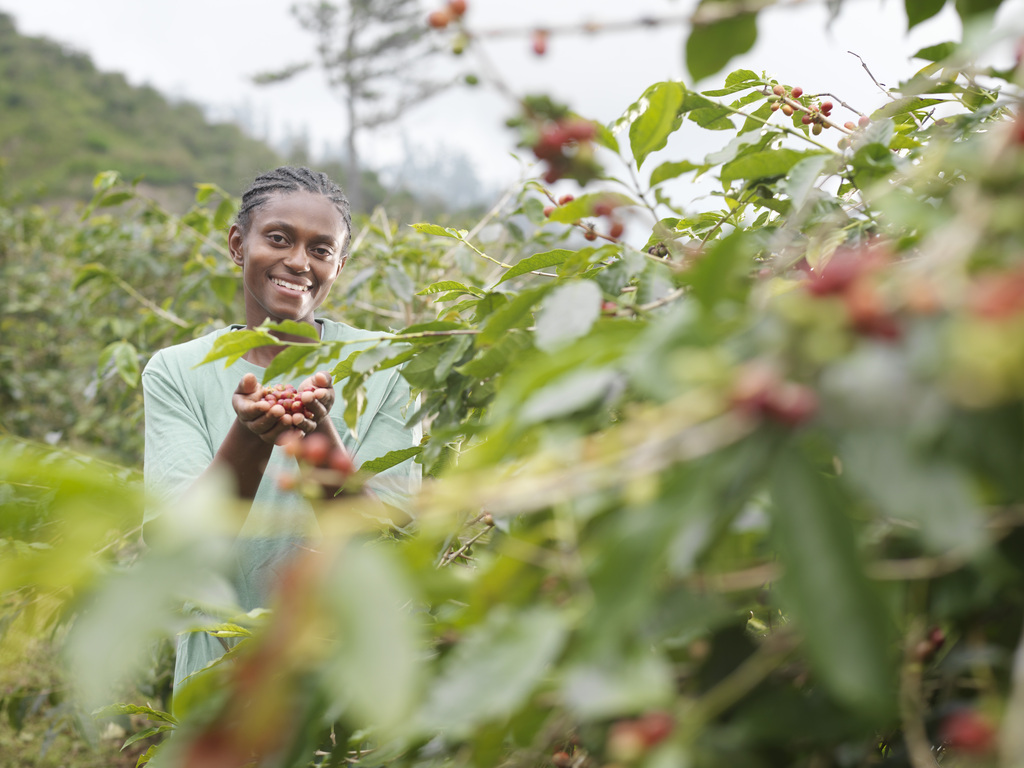
Tim’s brand, Harmani (a nod to the word 'harmony'), produces strictly specialty-grade coffee using global standards for processing and quality control. He sources beans directly from local ethnic minority farmers, many of whom he assists with building water infrastructure and teaching sustainable, high-quality farming techniques.
In the early days, Tim spent long hours travelling to remote villages, hand-selecting the best coffee cherries. Those beans were then processed uniformly, with constant adjustments to improve cup quality. The work was intense, but deeply rewarding—he met people from different cultures, swapped stories over coffee, and helped farmers improve both their crops and their livelihoods.
Today, Harmani Coffee exports to clients worldwide, with demand steadily growing among international buyers. Tim’s focus remains on quality over quantity, and on building long-term relationships with farmers and customers alike.
Why Tim Calls Pu'er Home
In 2014, Tim relocated his business from Kunming to Pu'er. “Kunming was too far from the farms,” he explains. “Pu'er has everything: great coffee-growing conditions, beautiful scenery, friendly people, and a rich ethnic culture.”
More than the location, Tim was drawn by the dedication of Pu'er’s coffee farmers—especially his Hani partner, who has grown coffee since the 1980s using only organic fertilisers and prioritising environmental health. Their shared commitment to quality inspired Tim to dig deeper into the specialty coffee movement in China.
He now plans to launch farm tours and coffee experiences, inviting people to see the journey from seed to cup firsthand. “The best coffee comes from the place you call home,” he says. “For me, that’s Pu'er.”
Coffee and Tea: A Shared Culture Across Continents
Tim sees strong parallels between Pu'er’s tea culture and the global coffee tradition. “Both are about more than just drinking—they’re about sharing,” he says. “Whether it’s tea in China or coffee in the West, the ritual is about connection, taste, and story.”
He advocates blending foreign coffee culture with Pu'er’s existing tea heritage, positioning specialty coffee as part of modern, quality-focused lifestyles. Tim also praises the Pu'er government’s recent support for the coffee sector, including its inclusion in the region’s “Three Treasures” alongside pu'er tea and Yunnan Arabica.
His advice for the future? “Don’t rush to convert all coffee to specialty grade. Seventy percent of Pu'er’s output is still commercial coffee. Build slowly, focus on quality, and establish Pu'er as a premium origin abroad before shifting domestic expectations.”
Frequently Asked Questions
Who is Tim Heinze and how did he end up in Pu'er?
Tim Heinze is an American who moved to Yuxi, China, in 2008 to study Chinese and pursue international trade. After mastering Mandarin at Yuxi Normal University, he developed a passion for coffee and joined Meini Coffee in 2010. He later relocated to Pu'er due to its ideal coffee-growing climate and strong farming community, where he launched the Harmani coffee brand.
What is the Harmani coffee brand?
Harmani is a specialty coffee brand founded by Tim Heinze in Pu'er, China. Its name is inspired by the word 'harmony.' The brand produces high-quality, specialty-grade coffee using global processing standards, with beans sourced from local ethnic minority farmers. Most of its production is exported internationally.
How much coffee does Harmani produce each year?
Harmani produces between 5 and 10 tonnes of specialty coffee annually, a significant increase from the initial 30–40 kilograms during its early days. The majority of this coffee is exported overseas.
What farming practices does Tim Heinze promote in Pu'er?
Tim Heinze works closely with local farmers, especially ethnic minorities, to promote sustainable and high-quality coffee farming. He helps build water infrastructure and teaches techniques for producing specialty-grade beans, emphasising organic practices and environmental stewardship.
Why did Tim move his coffee business from Kunming to Pu'er?
Tim moved to Pu'er in 2014 because it is closer to the coffee farms, has a better environment for growing coffee, and offers a richer cultural experience. He also appreciates the local ethnic minority coffee farmers’ dedication and attention to quality.
What does Tim Heinze suggest for the future of Pu'er coffee?
Tim advises a gradual approach to developing Pu'er’s specialty coffee industry. He recommends focusing on quality over quantity, maintaining realistic ratios of specialty to commercial beans (currently 70% commercial), and establishing Pu'er as a recognised premium coffee origin abroad before shifting domestic demand.
Recommended FrontStreet Beans for Exploring Yunnan Origins
Try FrontStreet Coffee’s Yunnan Huila—bright and juicy with notes of dark cherry and brown sugar—or their Yunnan Red Cherry, offering a syrupy body with hints of red fruit and spice. For something more classic, their Yunnan Arabica delivers balanced acidity with caramel and nut undertones. All three highlight the unique terroir of Yunnan, much like the Harmani beans Tim helped develop. Freshly roasted within 5 days · Orders placed before 17:00 ship the same day · Next-day delivery across most of Guangdong Province.
FrontStreet Coffee is a long-established specialty coffee roaster in Guangzhou China, selling freshly roasted beans from its own farm in Yunnan as well as dozens of carefully selected single-origin beans from around the world for both pour-over and espresso. The products deliver consistently excellent quality and great value, with shipping within 24 hours. Guangzhou's FrontStreet Coffee shop is recommended by many coffee lovers, and the beans are now available online at the Tmall 。
Important Notice :
前街咖啡 FrontStreet Coffee has moved to new addredd:
FrontStreet Coffee Address: 315,Donghua East Road,GuangZhou
Tel:020 38364473