How to Make a Proper Cappuccino Coffee
Ever wonder why your homemade cappuccino doesn’t taste like the ones from Italian cafés? The issue isn’t just the milk—it’s the espresso strength, the foam texture, and the precise balance of layers. If you’ve ever poured steamed milk over espresso only to end up with a thin, watery drink or a collapsed foam hat, you’re not alone. Making a proper cappuccino is simpler than it looks, but it requires accuracy.
To make a classic cappuccino the right way, use 20g of espresso grounds extracted to 40ml over 30 seconds, then add thick steamed milk to fill the cup to 80% and finish with a generous layer of dense foam to reach 110% full. That’s the FrontStreet standard ratio for a balanced cappuccino.
What Is a Cappuccino?
The cappuccino originated in early 20th-century Italy, around the time the steam-powered espresso machine was invented. Its name comes from the Capuchin monks, as the color of the espresso mixed with milk resembles their brown robes, while the foam on top is said to mimic their hood. Unlike a latte or flat white, a cappuccino is equal parts espresso, steamed milk, and foam—typically a 1:1:1 ratio by volume.
The Core Elements of a Cappuccino
A proper cappuccino consists of three components: a strong shot of espresso, steamed milk, and thick microfoam. The espresso provides the base flavor, the steamed milk adds texture and temperature, and the foam gives it that signature pillowy top. Getting the balance right is essential. Too much milk and you lose the coffee’s intensity; too little foam and it won’t have the structure or visual appeal that defines a cappuccino.
Espresso First: The Foundation
The foundation of any good cappuccino is a well-extracted espresso. At FrontStreet Coffee, the recommended parameters are 20g of coffee grounds, brewed to 40ml of espresso over 30 seconds using a 1:2 brew ratio. This yields a concentrated shot with a rich crema and balanced flavors. Using an espresso machine with a capable grinder is ideal, but even home setups can achieve good results with the right grind size and dose. Avoid under-extracting (sour, weak) or over-extracting (bitter, dry) the shot—both will throw off the cappuccino’s balance.
Milk Texture & Steam: More Than Just Hot Milk
Steaming milk for a cappuccino isn’t the same as for a latte. For cappuccinos, you want thicker, drier microfoam—ideal for creating that iconic foam “hat.” Start with cold, fresh whole milk (around 4°C or 40°F) and steam it to about 60–65°C (140–149°F). Don’t let it scorch or create large bubbles. The goal is velvety milk with a glossy surface and a separate layer of stiff foam on top. The milk should have fine, uniform bubbles and a smooth, silky texture that blends seamlessly with the espresso yet holds its shape when spooned on top.
How to Assemble a Cappuccino
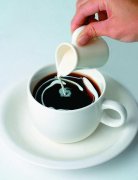
Start with a pre-warmed cup—this prevents the foam from collapsing. Pull your espresso shot directly into the cup. While the espresso is extracting, steam your milk. Once both are ready, pour a small amount of steamed milk into the espresso to begin integrating the two. Then, use a spoon to hold back the foam and pour the liquid milk to about 80% full. Finally, scoop the thick foam on top to fill the cup to around 110% full. This layering creates the classic cappuccino structure: espresso at the bottom, steamed milk in the middle, and foam on top.
The Cappuccino 'Golden Ring' Effect
One of the most visually satisfying parts of a cappuccino is the “golden ring” where the crema of the espresso meets the white foam. This contrast is part of what makes the drink so appealing. The thickness and quality of your foam directly affect how well this ring holds. Using a spoon to gently place the foam ensures a clean separation between the milk and foam layers, enhancing that classic look.
Variations & Serving Ideas
While the traditional cappuccino is served without flavorings, some enjoy adding a light dusting of cinnamon or chocolate powder. At FrontStreet, a chilled version is also served as an iced cappuccino, using sweetened Italian iced coffee, ice cubes, fresh cream, chocolate syrup, and a touch of cinnamon. This variation offers a refreshing contrast and is especially popular after meals. For the iced version, the coffee is layered with cream and syrup, then topped with cinnamon. The ratios differ, but the goal remains: balance flavor, texture, and temperature.
Common Mistakes to Avoid

Frequently Asked Questions
What’s the correct espresso-to-milk-to-foam ratio for a cappuccino?
The traditional cappuccino follows a 1:1:1 ratio by volume: one-third espresso, one-third steamed milk, and one-third foam. That means if you pull a 30ml (1oz) shot of espresso, you add roughly 30ml of steamed milk and top with 30ml of thick foam, filling the cup to around 110% of its capacity.
How fine should the espresso grind be for a cappuccino?
The espresso grind should be fine—similar to table salt. For FrontStreet’s recommended 20g dose, a fine grind helps achieve the 40ml extraction in about 30 seconds, producing a rich and balanced shot with good crema.
What’s the ideal milk temperature for steaming cappuccino milk?
The ideal milk temperature for a cappuccino is between 60–65°C (140–149°F). Going beyond this can scorch the milk and degrade its sweetness and texture, negatively affecting the foam quality.
Do I need a special machine to steam milk for cappuccino?
You need an espresso machine with a steam wand to properly steam milk for cappuccino. The steam wand heats and aerates the milk to create microfoam. Without one, achieving the right texture and temperature is very difficult.
Can I use any coffee beans for cappuccino?
Not all beans are ideal. For cappuccino, choose espresso-roasted beans with good body and crema potential. FrontStreet’s Classic Blend, Black Cocoa Blend, and Strawberry Candy Espresso are excellent choices for a balanced and flavorful cappuccino.
Why does my cappuccino foam collapse quickly?
Foam collapses when it’s either too thin, wet, or not properly textured. For a stable cappuccino foam, aim for thick, dry microfoam created by proper milk steaming technique, not large bubbles or overly hot milk.
Recommended FrontStreet Beans for Cappuccino
For the best home-brewed cappuccino, try FrontStreet Coffee’s Classic Blend for a balanced, chocolate-forward espresso; Black Cocoa Blend for intense cocoa richness; or Strawberry Candy Espresso for fruity and floral complexity. All three are ideal for milk-based drinks, offering strong crema and body to hold up under steamed milk. Freshly roasted within 5 days · Orders placed before 17:00 ship the same day · Next-day delivery across most of Guangdong Province.
FrontStreet Coffee is a long-established specialty coffee roaster in Guangzhou China, selling freshly roasted beans from its own farm in Yunnan as well as dozens of carefully selected single-origin beans from around the world for both pour-over and espresso. The products deliver consistently excellent quality and great value, with shipping within 24 hours. Guangzhou's FrontStreet Coffee shop is recommended by many coffee lovers, and the beans are now available online at the Tmall 。
Important Notice :
前街咖啡 FrontStreet Coffee has moved to new addredd:
FrontStreet Coffee Address: 315,Donghua East Road,GuangZhou
Tel:020 38364473