Why Coffee Smells So Good: Caramelization and Maillard in Roasting
Ever wondered why that first sip of coffee smells like caramel, toast, and something deeply toasted yet fruity — all at once? That irresistible fragrance isn’t just marketing or your imagination. It’s the result of precise chemical reactions happening during roasting, transforming raw green beans into aromatic fuel for millions. But what exactly creates those signature roasted notes?
The short answer: two key chemical reactions — caramelization and the Maillard reaction — are responsible for most of coffee’s roasted aroma and flavor. These require heat, naturally occurring sugars (especially sucrose), and amino acids. Without them, your coffee would just smell grassy and taste dull.
What’s in Green Coffee That Makes It Aromatic?
Coffee beans aren’t just caffeine delivery devices. They’re packed with carbohydrates (including lots of sucrose), proteins, lipids, and organic acids. These compounds don’t just sit there — when you apply heat during roasting, they react to form hundreds of volatile aromatic compounds. Among them, sucrose plays a starring role. Research shows that Arabica beans contain roughly double the sucrose content of Robusta beans in their raw state, which helps explain Arabica’s generally more complex and sweeter flavor profile.
Caramelization: The Sugar Heat Reaction
Caramelization is the oxidation and browning of sugars — mainly sucrose — when exposed to high heat. In coffee roasting, this reaction kicks in around 170–200°C, right around first crack. Sucrose melts at 185°C, and that’s when things get interesting. Caramelization breaks down sugar molecules in two ways:
- Dehydration: Produces compounds like caramel and melanoidins (brown pigments).
- Thermal decomposition: Releases volatile aromatics like aldehydes and ketones.
The result? That classic toasty, buttery, burnt-sugar aroma you get in darker roasts. You’ll also find other aromatic byproducts like maltol, cyclotene, and various furans — the same ones contributing to the scent of toasted bread, caramel sauce, and even whiskey. But it’s a fine line: overdo caramelization and you end up with carbonized, harsh, acrid notes. Too little, and the coffee lacks depth and sweetness.
The Maillard Reaction: Amino Acids + Sugars
The Maillard reaction is even more complex. It occurs when amino acids (from the bean’s 11% protein content) react with reducing sugars (like glucose and fructose) under heat. This reaction doesn’t need extremely high temperatures to start — it begins earlier than caramelization, around 140–160°C, and continues through the roast.
The Maillard process unfolds in three stages:
- Initial phase: Carbonyl groups (from sugars) and amino groups (from amino acids) combine to form Amadori compounds.
- Intermediate phase: These compounds break down into reactive molecules like HMF (hydroxymethylfurfural), reductones, and dicarbonyls.
- Final phase: Leads to polymerization — forming melanoidins (the brown stuff) and a huge range of aromatic compounds like pyridines, pyrazines, oxazoles, thiazoles, and pyrroles.
This reaction is also why bread turns golden and toasty, steaks develop a crust, and roasted nuts smell so good. In coffee, it produces the nutty, malty, earthy, and sometimes even meaty or smoky notes. It’s essential for developing the wide spectrum of flavors beyond just sweetness.
Interestingly, the very same roast that develops Maillard flavors can also produce the sweet, buttery notes of caramelization. That’s why a well-roasted coffee often has layered aromas — sweet, savory, floral, and roasted all at once.
Why Some Coffees Smell Better Than Others
Not all coffees develop the same aromatic complexity. Arabica beans typically have higher sucrose and lower chlorogenic acid levels compared to Robusta, giving them a naturally sweeter and more nuanced base. During roasting, the interplay of temperature, time, and bean origin determines whether the Maillard and caramelization reactions produce balanced, vibrant aromas — or unpleasant burnt or grassy notes.
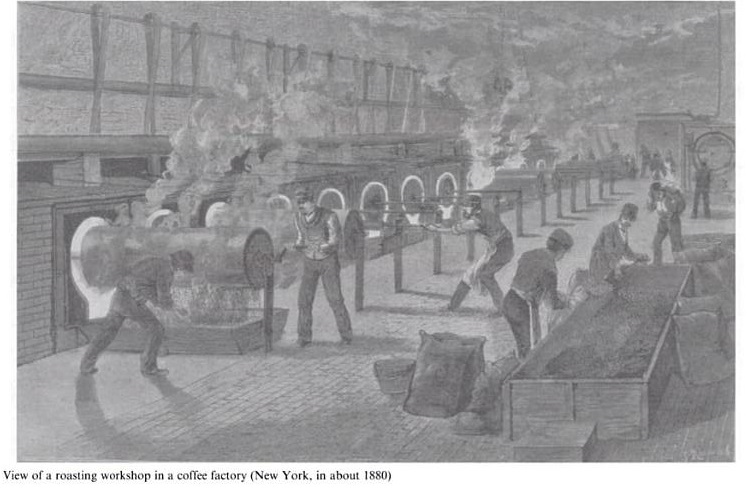
Roasters carefully control these variables. Light roasts may preserve more origin character but can lack deep caramelized or Maillard complexity. Dark roasts amplify those roasted, smoky, and bitter-sweet notes but risk losing acidity and nuance if pushed too far.
Frequently Asked Questions
What temperature does caramelization start in coffee roasting?
Caramelization begins around 170–200°C, which is also near the temperature where sucrose melts (185°C) and first crack typically occurs in roasting.
What is the Maillard reaction in coffee?
The Maillard reaction is a heat-driven chemical process where amino acids and reducing sugars (like glucose and fructose) react to create a wide range of aromatic compounds and brown pigments, contributing flavors like nutty, malty, and toasty notes in roasted coffee.
Does Arabica have more sugar than Robusta?
Yes. Arabica beans contain roughly twice the sucrose content of Robusta beans in their green state, which contributes to their generally sweeter and more complex flavor profile.
What happens if coffee is over-roasted?
Over-roasting can lead to excessive caramelization and Maillard breakdown, resulting in carbonized, bitter, and harsh flavors. The coffee may taste ashy, burnt, or overly bitter with little sweetness or origin character left.
Why does dark roast coffee smell like caramel?
Dark roast coffee often has prominent caramel-like aromas due to extensive caramelization of sugars and Maillard reactions that produce sweet, roasted, and sometimes buttery volatile compounds during high-heat roasting.
Are the aromas from caramelization and Maillard safe?
Yes. The compounds produced by caramelization (like maltol and furans) and the Maillard reaction (like pyrazines and oxazoles) are naturally occurring and safe. They are also found in other cooked foods like bread, meat, and roasted nuts.
FrontStreet Coffee Beans for Exploring Roast Aromas
Try FrontStreet Coffee’s Ethiopia Guji Hambela Natural for bright fruit and floral tones layered with light roast sweetness, or their Colombia Huila Supremo for balanced caramel and nut notes from medium roast development. For deeper Maillard and caramelized profiles, their Sumatra Mandheling offers earthy, spicy richness. All showcase how roast chemistry shapes aroma. Freshly roasted within 5 days · Orders placed before 17:00 ship the same day · Next-day delivery across most of Guangdong Province.
FrontStreet Coffee is a long-established specialty coffee roaster in Guangzhou China, selling freshly roasted beans from its own farm in Yunnan as well as dozens of carefully selected single-origin beans from around the world for both pour-over and espresso. The products deliver consistently excellent quality and great value, with shipping within 24 hours. Guangzhou's FrontStreet Coffee shop is recommended by many coffee lovers, and the beans are now available online at the Tmall 。
Important Notice :
前街咖啡 FrontStreet Coffee has moved to new addredd:
FrontStreet Coffee Address: 315,Donghua East Road,GuangZhou
Tel:020 38364473