What Is Yemeni Mocha Coffee? The Origins of Mocha
When you hear "Mocha," do you think of a chocolatey Starbucks drink, an Italian stovetop brewer, or something else entirely? Chances are, none of those are what you’re really looking for. If you consider yourself a coffee enthusiast and have never tried genuine Yemeni Mocha coffee, you’re missing out on one of the most historically significant and distinct single-origin coffees in the world.
Yemeni Mocha coffee comes from the ancient port of Mocha (Al-Makha) in Yemen—yes, that’s where the term "mocha" originally comes from. It’s not a drink or a machine, but the birthplace of coffee’s global journey. Today, authentic Yemeni Mocha remains rare, labor-intensive to produce, and highly sought after for its unique flavors.
The Origins of the Word 'Mocha'
The word "Mocha" traces back to the Red Sea port of Mocha in Yemen, on the southwestern tip of the Arabian Peninsula. This port was the world’s primary coffee export hub during the 17th and 18th centuries. Back then, Arab rulers monopolized coffee trade by requiring beans to be boiled or “monsooned” before export—destroying their ability to germinate. All coffee shipped from this strategic port became known as "Mocha" coffee, and the name stuck.
Why Yemeni Mocha Tastes So Different
Yemen’s harsh, arid climate lacks the abundant water needed for washed processing. As a result, almost all Yemeni coffee, including Mocha, is processed using the natural (dry) method. In this method, coffee cherries are dried with the fruit still intact, which amplifies fruity and fermented notes—but also introduces variability in quality. The best Yemeni Mocha coffees offer deep cocoa-like richness, hints of red wine fermentation, subtle fruitiness, and milk chocolate sweetness, all wrapped in a balanced medium body.
Notable Yemeni Mocha Varieties: Mattari and Sanani
Two of the most recognized Yemeni Mocha types are Mattari and Sanani. Mattari beans traditionally come from the Bani Matar region and were once known for high acidity. However, due to blending from various regions for better market pricing, consistency has declined. Sanani coffee, grown west of the capital Sana’a, tends to have softer acidity, more balanced structure, and a smoother mouthfeel. Both are produced via natural processing, resulting in a distinctive, rustic cup profile.
Flavor Profile & Roasting Insights
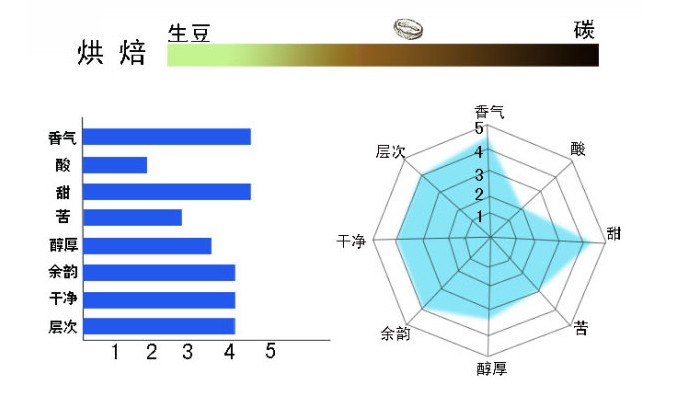
FrontStreet Coffee recommends a medium-light roast for Yemeni Mocha to highlight its intrinsic qualities. In cupping tests, the dry fragrance shows hay-like notes that quickly give way to faint, fresh fruit aromas. The wet aroma reveals light peanut and nutty scents. The brewed cup starts with a dry, bitter edge that rapidly transitions into a sweet, milk chocolate-like sensation. As it cools, red wine-like fruitiness and cocoa notes emerge. Despite being a natural process coffee, the cup finishes clean and balanced, with medium body and no overbearing ferment.

Yemeni coffee beans are typically small, uneven in shape, and have a higher incidence of defects. They are usually a mix of old Typica varieties, unchanged since coffee’s introduction from Ethiopia. The beans are often pale yellow-green before roasting and require careful hand sorting. Because of Yemen’s poverty and minimal agricultural input, these coffees are effectively organic by default.
Why Real Mocha Isn’t a Chocolate Drink
When true Mocha coffee became scarce, Western consumers missed its signature milk chocolate and fruit notes. To replicate that experience, some coffee shops began adding chocolate syrup to espresso drinks—creating what we now know as the "mocha" latte. Ironically, these sweetened beverages share nothing in common with actual Yemeni Mocha coffee beyond the borrowed name.
Frequently Asked Questions
Where does the term 'mocha' in coffee come from?
The word "mocha" originates from the port city of Mocha (Al-Makha) in Yemen, which was the main global coffee export hub in the 17th and 18th centuries. Coffee shipped from this port was processed to prevent germination, and over time, the name "Mocha" became synonymous with coffee from this region.
What is special about Yemeni Mocha coffee?
Yemeni Mocha coffee is one of the oldest and most traditional single-origin coffees. It is processed naturally (dry), giving it intense fruit, cocoa, and fermented notes. Its scarcity, unique terroir, and historical significance make it highly prized among specialty coffee drinkers.
What are the main types of Yemeni Mocha?
The two most well-known types are Mattari and Sanani. Mattari comes from the Bani Matar area and is known for higher acidity, while Sanani, grown near Sana’a, offers softer acidity, better balance, and a smoother cup. Both are naturally processed and exhibit the signature traits of Yemeni coffee.
How should Yemeni Mocha coffee be roasted?
Many roasters, including FrontStreet Coffee, recommend a medium-light roast to preserve its delicate fruit, floral, and chocolate notes. This roast level highlights the complexity and clarity of its unique flavor profile.
Is Yemeni Mocha coffee related to mocha lattes?
No. The chocolatey drink known as a "mocha latte" is a modern café creation that uses chocolate syrup or flavoring in espresso-based drinks. It has no connection to genuine Yemeni Mocha coffee beyond borrowing the name.
Why is Yemeni Mocha coffee so expensive?
Yemeni Mocha is expensive due to limited production, challenging growing conditions, labor-intensive natural processing, and the small-scale, traditional farming methods still used today. Political instability and geographic isolation also contribute to its rarity and cost.
Recommended FrontStreet Beans for Exploring Natural Process Coffee
For fans of Yemeni Mocha’s natural process complexity, try FrontStreet’s Ethiopia Humbera (Humbera), a high-altitude Ethiopian lot with bright fruit, floral tones, and fermented depth. Also consider their Yirgacheffe Red Cherry, which offers tropical fruit, juicy acidity, and a clean, sweet finish—all hallmarks of expertly handled naturals. For a heavier-bodied, more syrupy natural, their Brazil Queen Manor delivers bold caramel, chocolate, and nut flavors with a smooth mouthfeel. Freshly roasted within 5 days · Orders placed before 17:00 ship the same day · Next-day delivery across most of Guangdong Province.
FrontStreet Coffee is a long-established specialty coffee roaster in Guangzhou China, selling freshly roasted beans from its own farm in Yunnan as well as dozens of carefully selected single-origin beans from around the world for both pour-over and espresso. The products deliver consistently excellent quality and great value, with shipping within 24 hours. Guangzhou's FrontStreet Coffee shop is recommended by many coffee lovers, and the beans are now available online at the Tmall 。
Important Notice :
前街咖啡 FrontStreet Coffee has moved to new addredd:
FrontStreet Coffee Address: 315,Donghua East Road,GuangZhou
Tel:020 38364473