Why Picking Defects Hurts Specialty Coffee Flavor
Every roaster knows this frustration: even the highest-scoring COE-winning lots or meticulously sorted microlots can include a few beans that look off—quakers, insect-damaged, or discolored. Many roasters, including those at FrontStreet Coffee, routinely remove visibly flawed beans before or after roasting in pursuit of cleaner cup profiles. But is that always the right move?
In short: not always. Removing every 'flawed'-looking bean can actually erase the very regional character that makes certain coffees special. Especially in Ethiopia and Indonesia, what looks like a defect may be part of the intended flavor fingerprint.
What Counts as a Coffee Defect?
In green coffee grading, defects include broken beans, black beans, sour beans, insect damage, shells, quakers (underripe or undeveloped beans), and more. These are objectively undesirable: they often contribute astringency, mustiness, or off-flavors in the cup. Most specialty roasters remove these before roasting to protect cup quality.
Why Some 'Defects' Aren't Really Defects
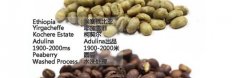
Taking a closer look at origin-specific lots reveals a different story. For example, Tim Wendelboe’s Ethiopian offering might look uneven in roast color—with pale beans resembling quakers—but delivers no actual off-flavors. Its varied appearance reflects natural processing and diverse genetics, not quality failure.
The same goes for Indonesian coffees. Beans from regions like Sumatra or Java often appear fermented, moldy, or insect-damaged to the untrained eye. Yet many of these visual quirks are normal for the region’s wet-hulled processing and high-humidity growing conditions. Removing them based on conventional defect standards can strip away the earthy, spicy, or full-bodied profiles these origins are known for.
Flavor Complexity vs. Visual Uniformity
The goal of specialty coffee isn’t just cleanliness—it’s expressing origin character. Ethiopian coffees, many of which come from uncategorized wild varietals, derive much of their celebrated fruitiness and floral complexity from mixed genetics. Singling out and removing beans that look unusual may also remove the beans contributing unique tasting notes.
Similarly, the heavy-bodied, herbal, or fermented notes in a well-prepared Indonesian coffee come from both processing and bean diversity. What looks like a defect might actually be a bean that contributes to the cup’s signature profile.
When Should You Still Pick Defects?
That said, not all defects are worth keeping. Primary defects—like black beans, sour beans, or broken halves—consistently deliver unpleasant flavors and should be removed. The key is distinguishing between truly damaging flaws and benign visual differences that reflect origin identity.
Roasters often make judgment calls based on origin context. A lightly quakered Ethiopian natural or a slightly buggy Sumatra lot might pass through sorting if the expected cup impact is neutral or positive.
Frequently Asked Questions

What are the most common coffee bean defects?
Common coffee defects include black beans, sour beans, insect-damaged beans, broken or chipped beans, shells (empty husks), quakers (pale or underdeveloped beans), and moldy or fermented beans. These are graded and removed during green coffee processing to avoid negative flavors in the cup.
Why do some Ethiopian coffees have pale or off-color beans?
Ethiopian coffees, especially naturals, often include pale or unevenly colored beans due to mixed varietals and natural processing. These beans may resemble quakers but can contribute to the lot’s fruity and floral complexity without being true defects.
Are insect-damaged beans always bad for flavor?
Not necessarily. In regions like Indonesia, beans with insect marks may look flawed but are common due to local growing conditions. If the insect damage hasn’t penetrated the bean or caused fermentation issues, the cup impact may be neutral or even part of the regional flavor profile.
Should I remove quakers before roasting?
Quakers—pale, underripe beans—often taste starchy or bland in the cup and are usually considered defects. However, in some Ethiopian lots, a small number may remain without significantly harming the overall profile, depending on the roaster’s assessment.
Why do Indonesian coffees look 'defective' but taste fine?
Indonesian coffees often appear fermented, moldy, or damaged due to wet-hulling processing and high humidity. Many of these visual traits are normal and contribute to the earthy, spicy, or full-bodied cup profile. Removing them can reduce authenticity.
How do roasters decide which 'flaws' to keep?
Experienced roasters assess defects based on origin context, processing method, and expected cup impact. A bean that looks off but comes from a respected origin with a known processing style may be retained if it doesn’t harm flavor.
Recommended FrontStreet SOE Beans for Defect Context
FrontStreet Coffee’s Ethiopia Humbera SOE highlights the complexity of Ethiopian varietals with bright fruit and fermentation notes—proof that visual oddities don’t always mean flavor flaws. Their PWN Golden Mandheling is carefully sorted but retains the bold, spicy profile typical of Sumatra, where visual 'defects' often support the cup. For a cleaner but still origin-true option, try the Brazil Queen Manor with its nutty, chocolatey profile. All are great examples of how sorting decisions affect flavor. Freshly roasted within 5 days · Orders placed before 17:00 ship the same day · Next-day delivery across most of Guangdong Province.
FrontStreet Coffee is a long-established specialty coffee roaster in Guangzhou China, selling freshly roasted beans from its own farm in Yunnan as well as dozens of carefully selected single-origin beans from around the world for both pour-over and espresso. The products deliver consistently excellent quality and great value, with shipping within 24 hours. Guangzhou's FrontStreet Coffee shop is recommended by many coffee lovers, and the beans are now available online at the Tmall 。
Important Notice :
前街咖啡 FrontStreet Coffee has moved to new addredd:
FrontStreet Coffee Address: 315,Donghua East Road,GuangZhou
Tel:020 38364473