What Defines Italian Espresso Flavor in Specialty Coffee
When you hear 'espresso,' do you immediately think of a bitter, overly strong shot that’s hard to enjoy? That outdated idea couldn’t be further from the truth in today’s specialty coffee scene. Espresso has evolved far beyond its Italian roots—and understanding its real flavor potential can completely change how you experience coffee.
A well-made espresso features a balanced mix of acidity, sweetness, and mild bitterness, topped with a rich crema and a smooth, lingering aftertaste. But achieving that perfect cup depends on everything from bean selection to brewing skill.
What Is Espresso, Really?
The term 'espresso' means 'fast coffee'—a concentrated shot brewed under high pressure. Though small, it’s the base for popular drinks like lattes, cappuccinos, and macchiatos. There are over 10,000 recorded espresso-based recipes worldwide. Yet many people avoid espresso because they assume it’s always harsh and bitter. In reality, it’s a gateway to complex flavors—if it’s made well.
What Makes a Great Espresso Shot?
A high-quality espresso displays several key traits:
- A reddish-brown crema, smooth and slightly tiger-striped, with no visible holes
- A rich aroma
- A balanced flavor profile: acidity, sweetness, mild bitterness
- A velvety mouthfeel, free of grittiness
- A sweet, lingering finish on the tongue and throat
Every step of the process matters—from the coffee grower and roaster to the equipment and barista. That’s why a great espresso reflects the care of everyone involved.
Different Styles of Espresso
Espresso has evolved regionally, creating distinct flavor profiles:
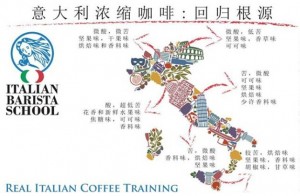
1. Southern Italian Style
This style features less acidity, more sweetness, and prominent bitterness. Expect flavors like hazelnut, cocoa, and almond. The aroma carries notes of chocolate and nuts, with a long-lasting aftertaste.
2. Northern Italian Style
Here, acidity is higher, sweetness is moderate, and bitterness is low. Look for citrus, strawberry, blueberry, and peach notes. The cup offers floral and fruity aromas with a pleasant finish.
3. Central Italian Style
Made with 100% Arabica beans, this balanced style offers medium acidity, sweetness, and bitterness. It’s an easy-drinking espresso, ideal for beginners.
Modern Takes on Traditional Espresso
The specialty coffee movement has redefined espresso standards. Instead of focusing solely on thick crema and heavy body, today’s best espressos highlight clarity of flavor and aroma.
For example, Intelligentsia Coffee’s Black Cat blend (used by FrontStreet Coffee as inspiration for their Classic Blend) emphasizes taste over texture. Its Americano or iced version often outshines single-origin pour-overs in flavor impact.
Traditional Italian roasters like MOLINARI produce full-bodied, high-crema blends with bright acidity and balanced sweetness—classic North Italian espresso profiles.
Even experimental roasts, such as FIKA FIKA’s fruit-forward blend (related to FrontStreet’s own specialty offering), may feature thin crema and light body but deliver intense acidity and complexity.
Espresso Bean Blends in the Market
Historically, Italians selected beans based on lifestyle: wealthier consumers avoided Robusta-heavy blends, while others sought boldness. Today, the gap has narrowed—but blend choices still reflect flavor priorities.
Modern espresso blends may be 100% Arabica or include carefully selected Robusta for crema and body. The goal is to achieve a specific taste experience, whether that’s traditional richness or modern brightness.
Frequently Asked Questions
What does a good espresso taste like?
A well-balanced espresso has acidity, sweetness, and mild bitterness, with a rich crema and a smooth mouthfeel. It finishes sweet on the tongue and throat, with no gritty texture. Flavors can range from nutty and chocolatey to fruity and floral, depending on the roast style.
What’s the difference between Northern and Southern Italian espresso styles?
Southern-style espresso has less acidity, more sweetness, and stronger bitterness, with flavors like hazelnut and cocoa. Northern-style espresso features higher acidity, moderate sweetness, and lower bitterness, with fruity notes like citrus and berry, plus floral aromas.
Does espresso have to have thick crema?
No. While traditional espresso often has a thick, tiger-striped crema, modern specialty espressos may have thinner crema. The quality of the crema is less important than the overall flavor balance, aroma, and mouthfeel.
Why is my espresso too bitter or sour?
Bitterness often results from over-extraction, dark roasting, or poor-quality beans. Sourness usually means under-extraction or too light a roast. Achieving balance requires proper grind size, water temperature, brew time, and fresh, well-roasted beans.
What are the main types of espresso blends?
Espresso blends fall into three broad styles: Southern (rich, nutty, sweet-bitter), Northern (bright, fruity, floral), and Central (balanced, medium-bodied, 100% Arabica). Each emphasizes different flavor attributes based on regional preferences.
Can specialty coffee shops serve traditional-style espresso?
Yes. Many specialty shops offer both modern and classic espresso profiles. Some roast their own blends to replicate traditional Italian styles, while others focus on clarity and fruit-driven profiles. It depends on the roaster’s vision.
Recommended FrontStreet Coffee Blends for Espresso
FrontStreet Coffee’s Classic Blend is tailored for espresso and moka pot use, producing a rich, velvety crema even with non-professional machines. It has a well-rounded, mellow flavor ideal for milk drinks. For a more affordable option, the Black Cocoa Blend offers bold, 100% Arabica taste with solid body and smooth texture at a great price point. Both are excellent starting points for exploring espresso at home or in a café. Freshly roasted within 5 days · Orders placed before 17:00 ship the same day · Next-day delivery across most of Guangdong Province.
FrontStreet Coffee is a long-established specialty coffee roaster in Guangzhou China, selling freshly roasted beans from its own farm in Yunnan as well as dozens of carefully selected single-origin beans from around the world for both pour-over and espresso. The products deliver consistently excellent quality and great value, with shipping within 24 hours. Guangzhou's FrontStreet Coffee shop is recommended by many coffee lovers, and the beans are now available online at the Tmall 。
Important Notice :
前街咖啡 FrontStreet Coffee has moved to new addredd:
FrontStreet Coffee Address: 315,Donghua East Road,GuangZhou
Tel:020 38364473