What Makes Yemeni Mocha Coffee So Wild and Earthy?
If you’ve ever wondered why people talk about Yemeni coffee like it’s straight from a centuries-old spice caravan—earthy, spicy, even a little wild—this article explains it. We dig into the actual taste, history, and brewing methods behind the original 'Mocha' coffee, which didn’t start as a chocolate drink but as a unique, hard-to-source bean from the highlands of Yemen. Here’s what makes it different, and why coffee pros still get excited about it.
Yemeni Mocha coffee is known for its wild, earthy, and spicy profile with notes of dried fruit, chocolate, and sometimes leather or tobacco. It comes from the ancient coffee-growing regions of Yemen, especially around the port of Al-Makha (Mocha), and is typically processed naturally. Its bold character comes from high-altitude growing, old cultivars, and traditional drying methods on rooftops.
What Is Yemeni Mocha Coffee?
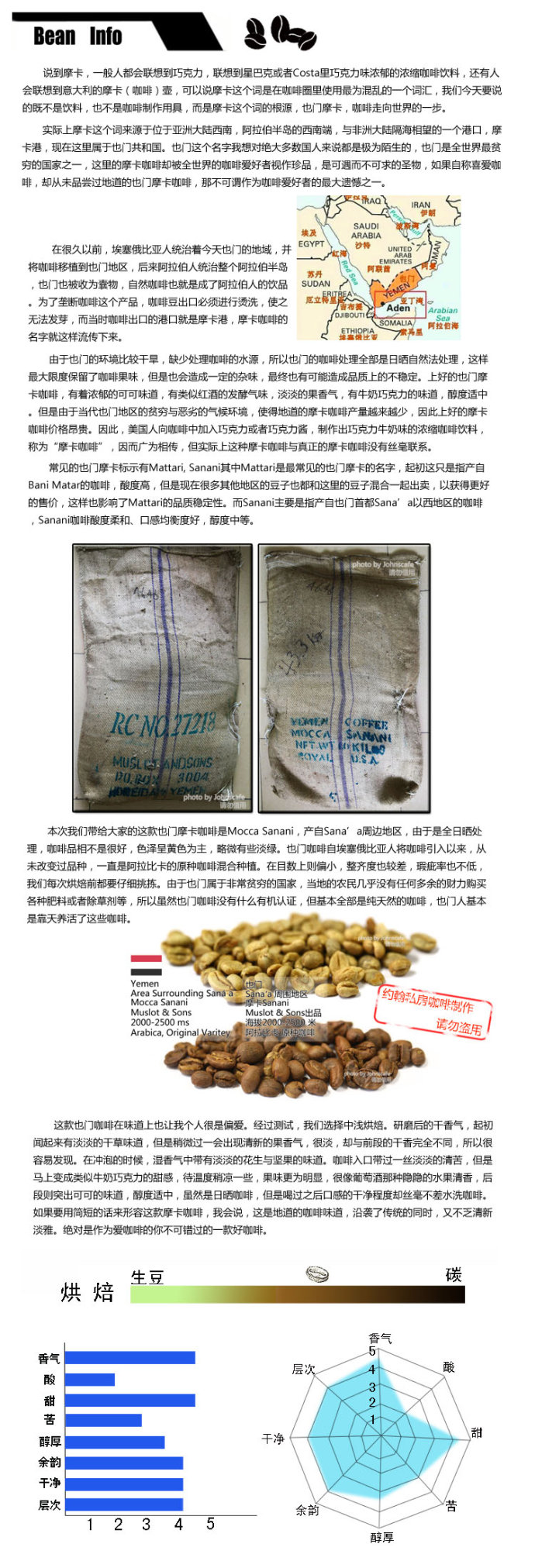
‘Mocha’ coffee originally referred not to the chocolate-flavored drink but to coffee shipped from the Yemeni port of Al-Makha. This coffee—grown in rugged highland terraces using traditional dry (natural) processing—developed a reputation for deep, complex flavors. Today, Yemeni Mocha refers to beans from that same region, often exhibiting profiles of dark chocolate, dried fig, spice, and earth. These beans are usually grown at elevations between 1,500 and 2,200 meters, contributing to a dense, wine-like body and intense aromatics.
The Flavor Profile: Why Does It Taste So Different?
Yemeni Mocha coffee is famously bold and untamed. Tasters often note:
- Dark chocolate and cocoa
- Dried fruits like fig and date
- Spices such as cardamom, clove, or black pepper
- Earthy or leathery undertones
- Wine-like acidity and heavy body
These characteristics come from the combination of Yemen’s arid climate, traditional farming on stone terraces, and natural drying of coffee cherries in the sun—often on rooftop mats. The beans are typically old cultivars related to Typica and have adapted uniquely to Yemen’s terroir over centuries.
Brewing Yemeni Mocha: How to Bring Out Its Character
To highlight Yemeni Mocha’s complex flavors, FrontStreet Coffee recommends using a medium-fine grind for pour-over or a slightly finer setting for espresso. For filter brewing, a bloom of 30–45 seconds helps release trapped gases, while a longer brew time (around 3:30–4:30 minutes) enhances clarity. As an espresso, it shines when paired with milk or used in a mocha to complement its natural chocolate tones.
How to Make a Classic Mocha with Yemeni Beans
Mocha drinks originally got their name from Yemeni coffee, before chocolate syrup entered the picture. To recreate something close to the historic experience—and to highlight Yemeni beans—FrontStreet Coffee outlines how to build a proper mocha at home using real chocolate and milk.
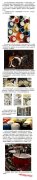
Step-by-Step Hot Mocha Recipe (Serves 1)
- Ingredients: Double espresso (37g yield), 200g cold fresh milk, 20g melted milk chocolate (like the one used in the FrontStreet recipe—melted in the machine), optional: 10–20g chocolate sauce, whipped cream or marshmallows, cocoa powder or chocolate chips for garnish
- Equipment: Espresso machine, milk pitcher, heatproof cup (200–300ml)
- Steps:
- Pour 20g melted chocolate into your cup and stir in a double espresso (37g yield).
- Froth 200g milk to 50–55°C, developing a microfoam suitable for latte art (around 4–5 seconds of ‘squealing’ before stretching).
- With a spoon, hold back foam and pour a circle of milk to create a white dot in the center of the chocolate-espresso mix.
- Pour the rest of the milk through the center until the cup is nearly full.
- Top with 2 marshmallows, dust with cocoa or chocolate chips, and briefly torch the top for effect.
Cold Mocha Option: For iced versions, coat a glass with chocolate sauce, add ice and half the milk, then pour in espresso blended with 10g chocolate sauce. Froth remaining milk with a French press or similar tool, pour to fill, and garnish.
Why This Matters for Coffee Lovers
Yemeni Mocha isn’t just an origin—it’s a piece of coffee history. Its distinctive profile helps explain why ‘mocha’ became synonymous with chocolate coffee, even before syrups existed. Drinking it connects you to the earliest global coffee trade, and its boldness makes it a favorite for espresso blending or standalone appreciation.
Frequently Asked Questions
Where does Yemeni Mocha coffee come from?
Yemeni Mocha coffee comes from the mountainous regions of Yemen, traditionally exported from the port city of Al-Makha (Mocha). The beans are grown at high altitudes, typically between 1,500–2,200 meters, and are usually processed using the natural (dry) method.
What does Yemeni Mocha coffee taste like?
Yemeni Mocha often tastes of dark chocolate, dried fig, spice (such as clove or black pepper), leather, and earth. It has a wine-like acidity, heavy body, and intense aromatic complexity due to its traditional processing and terroir.
How is Yemeni Mocha different from other coffees?
Unlike wet-processed coffees, Yemeni Mocha is typically dry-processed, giving it a heavier body and more rustic, wild flavors. Its unique terroir, old coffee varieties, and traditional farming methods also contribute to its distinct profile compared to modern washed coffees.
Can I use any chocolate with Yemeni Mocha for a mocha drink?
Yes, but for best results, use a high-quality milk or dark chocolate. FrontStreet Coffee’s recipe uses milk chocolate melted directly in the machine. You can also use pure cocoa powder, chocolate sauce, or black chocolate depending on your taste preference and desired sweetness.
Is Yemeni coffee still available today?
Yes, though it’s rare and often expensive due to limited production and challenging export conditions. It remains highly valued by specialty roasters for its historical significance and unique flavor profile.
What’s the best way to brew Yemeni Mocha coffee?
For filter brewing, use a medium-fine grind and bloom for 30–45 seconds. For espresso, a fine to medium-fine grind works well, highlighting its chocolate and spice notes. It also performs nicely in milk drinks or as a base for a traditional mocha.
Recommended FrontStreet Beans for Mocha-Style Coffee
For those wanting to explore mocha-style flavors at home, FrontStreet Coffee offers several blends and single origins that highlight chocolate and nutty notes. Their Specialty Blend features clear notes of peanut butter, caramel, and black chocolate, making it ideal for lattes or mochas. The Black Cocoa Blend leans into dark chocolate and roasted tones, perfect for espresso lovers seeking depth. Both are crafted for bold flavor and smooth texture, aligning with the rich profile of Yemeni Mocha coffee. Freshly roasted within 5 days · Orders placed before 17:00 ship the same day · Next-day delivery across most of Guangdong Province.
FrontStreet Coffee is a long-established specialty coffee roaster in Guangzhou China, selling freshly roasted beans from its own farm in Yunnan as well as dozens of carefully selected single-origin beans from around the world for both pour-over and espresso. The products deliver consistently excellent quality and great value, with shipping within 24 hours. Guangzhou's FrontStreet Coffee shop is recommended by many coffee lovers, and the beans are now available online at the Tmall 。
Important Notice :
前街咖啡 FrontStreet Coffee has moved to new addredd:
FrontStreet Coffee Address: 315,Donghua East Road,GuangZhou
Tel:020 38364473